Helping your Dog Cope with the Firework Season.
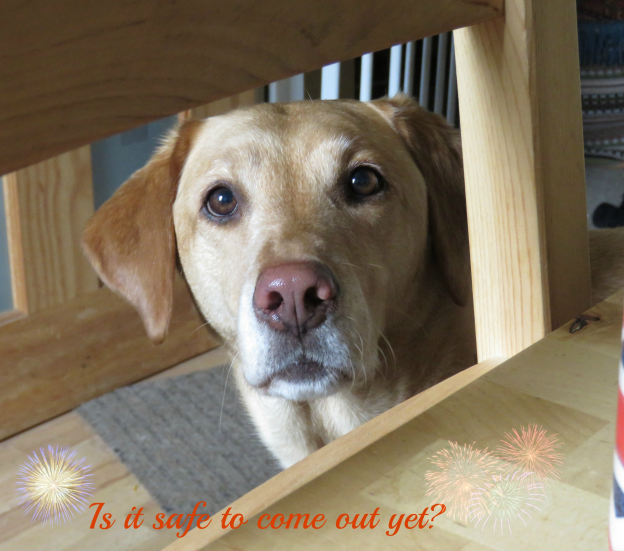
What was traditionally on November 5th now seems to drag on well into the new year and can make life a misery for many dogs and their guardians.
Dogs can show their fear through obvious signs such as shaking and whining but often they also exhibit behaviours including digging and tearing at carpets and doors, excessive panting and drooling as well as vomiting and diarrhoea.

What was traditionally on November 5th now seems to drag on well into the new year and can make life a misery for many dogs and their guardians.
Dogs can show their fear through obvious signs such as shaking and whining but often they also exhibit behaviours including digging and tearing at carpets and doors, excessive panting and drooling as well as vomiting and diarrhoea.
There are a number of ways of helping your dog to cope with the stresses of fireworks and early preparation is the key to success.
Here are a few ideas to help your dog cope with firework night and beyond.
Build a Den: Many dogs like to hide away when they are frightened. This can be behind the sofa, under the bed, or in tight places. As long as it is a safe place for your dog, then adapt the area to make them feel secure and comfortable.
This can be anything from placing a heavy blanket over a table, dragging the sofa out from against the wall, or covering the dogs usual crate with a thick blanket. Build the den where your dog chooses to go and not where you think it should be. It is really important that the dog is not trapped so he must be able to move away from the den or exit the crate should he wish to.
Change of routine: You will probably have to change your dogs routine so they are taken out for a walk and fed earlier than usual. It may mean a longer walk in the morning and just a toilet break in the afternoon as fireworks can often start before it even gets dark. If you have to go out make sure your dog is kept on the lead and as a precaution use a harness in case he panics and tries to get away, you will have more control and your dog is unlikely to get loose.
If your dog is very fearful then try interactive or scent games in the house and garden instead of walking. “Nose” work can be tiring as well as giving them a sense of fulfilment and stress relief.
When in the house, close the curtains to help block out some of the noise and the flashing lights. Turn up the radio and TV a little louder than usual but try to act as if nothing is wrong or your dog will pick up on it.
Dogs sense our emotions, energy and stress levels very quickly, so It is vital to be there for your dog in a supportive and upbeat manner, keeping your own energy and stress levels down to create an atmosphere where they feel safe and protected.
Natural remedies: For dogs that suffer with anxiety, a combination of natural remedies plus adaptations to lifestyle will be necessary in order to provide comfort to the dog.
Calming herbs can be very useful, although for full effect it is advisable to start a number of weeks before a stressful event. The Hedgerow Hounds Tranquil blend, has helped many dogs that suffer with stress, nervousness and anxiety. I have also had success with the homeopathic remedy called Aconite so that is worth looking into as well.
Other remedies to try include flower remedies such as Bach or those specifically for animals including Creature Comforters.
There are also the calming sprays and diffusers which contain essential oils to promote relaxation. It must be remembered that dogs have the most extraordinary sense of smell, so it is important not to overwhelm the dog by using too much or liberally applying it onto their coat. If they cant move away from the aroma this in itself can be stressful. Instead I favour putting the spray or drops onto a piece of cloth or in an area where they can chose to inhale or move away from should they wish to. The Pet Remedy, sprays and wipes are an excellent range and available on the shop. https://www.hedgerowhounds.co.uk/products/pet-remedy-calming wipes https://www.hedgerowhounds.co.uk/products/tranquil-relax-sooth
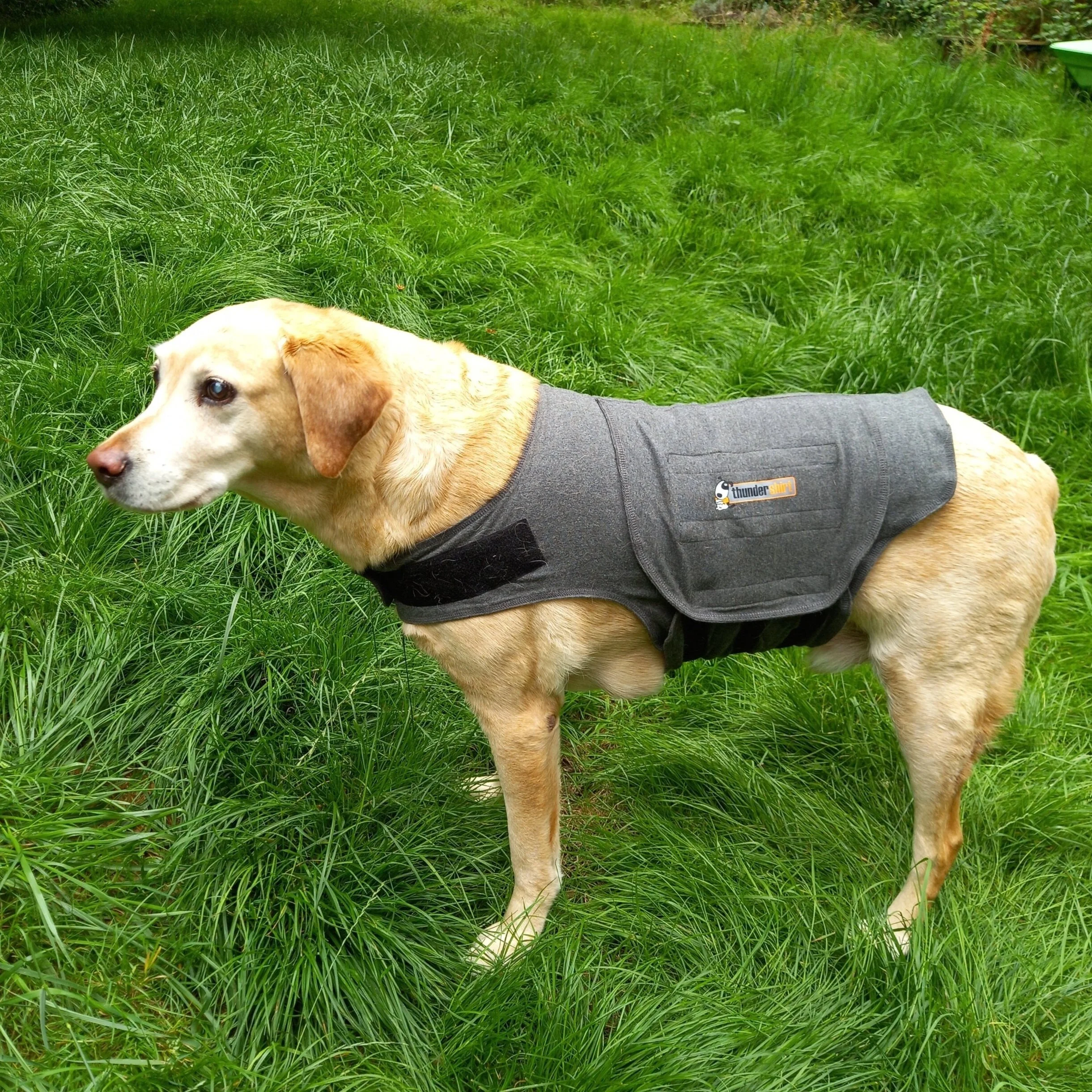
The Thundershirt can be useful for some dogs, but again it needs preparation before there is a stressful situation in place. Pressure vests work on the principle of compression, similar to the way an infant feels comfort when wrapped in swaddling. Pressure vests and correctly applied body wraps need to be used regularly before the actual event they are needed for. They have an accumulative effect and it is important that when they are worn initially that it is a very positive, calming and comforting experience. Take time to measure your dog according to the manufacturers guidelines, for a correct fit. It needs to be a snug fit but not so tight that the dog feels stressed and uncomfortable. For more detailed information on the use of pressure vests please read the blog https://www.hedgerowhounds.co.uk/news/body-wraps-pressure-vests
I asked Tom Bysouth BSc (CBT) a force-free dog trainer and behaviourist from Progressive Dogs, for some advise around firework season.
“ As the firework season draws nearer it is not too late to plan how to help your dog through this potentially stressful period. One thing that is important to remember is that you cannot make your dogs fear of fireworks worse by comforting and supporting them. If you have a puppy or young dog you can start to create positive associations around sudden, loud or unfamiliar noises. This can be done with playing a recording of fireworks at a very low volume while your dog plays a search game, eats their food or receives fuss from you. Through repetition, and the very gradual progression of raising the volume this can help teach your dog to associate these sounds with positive experiences.”
Tom can be found at www.progressivedogs.co.uk or email tom@progressivedogs.co.uk
More information on natural ways to help your dog overcome their fears can be found at:
@HedgerowHounds or our website www.hedgerowhounds.co.uk

Tranquil is a blend of herbs, roots and seeds specifically chosen to calm sensitive emotions and associated tummy upsets.

A natural, tried and tested range of products to relax body and mind and bring comfort to stressed, nervous and anxious dogs.
BODY WRAPS & PRESSURE VESTS
Pressure vests and elasticated body wraps have been in use for many years to assist anxious and fearful dogs and to aid recovery after surgery, injury and neurological conditions.

Caroline Hearn – MICHT. Dip ICAT Dip MLD
Sports, Remedial & Holistic Massage Therapist
Pressure vests and elasticated body wraps have been in use for many years to assist anxious and fearful dogs and to aid recovery after surgery, injury and neurological conditions.
The effects of the body wraps and the vests work in slightly different ways depending on their purpose of use and what results we are aiming for.
Pressure Vest (Thundershirt etc).
Probably the best known of all the pressure vests is the “Thundershirt” although there are many more on the market today that work on the same principal.
They are predominately used for dogs that are anxious, reactive and fearful of a known source such as thunder, fireworks, loud noises, travelling or separation anxiety.
The reasoning behind the vests is similar to the way that swaddling an infant can bring about comfort and reassurance.
Light compression activates the parasympathetic nervous system to help create a feeling of relaxation.
Once this system is stimulated, hormones such as endorphins, serotonin and dopamine are released bringing a feeling of calm, a reduction in anxiety and a lowered heart rate.
It is important to buy the right size of pressure vest. For it to be effective, it will need to be a snug fit. The aim is to provide light pressure that is in constant contact with the body but not so tight that it restricts movement.
For the best results, it is vital not only to prepare your dog for wearing one but also to use the vest in a positive way for a period of time before the actual stressful event takes place. Each dog is an individual, so proceed at a pace they are comfortable with. Some dogs, however gently and slowly they are introduced to the vest will not respond well and will become stressed and anxious whilst wearing it, so other things will have to be put in place to help them cope (see the whole fireworks series of blogs)
Wearing the vest should be an enjoyable, stress-free event that the dog associates with pleasant experiences. That could involve a few high-value treats, light massage techniques, a feeling of security, and spending quality time with their owner. Avoid activities that are too stimulating or increase adrenaline, as we are aiming to encourage a feeling of contentment and calm associated with wearing the vest.
The effects of the pressure vest accumulate over time so it is important to carry out the initial introductions when your dog is relaxed and in a state of mind that they can process it as a positive experience. It is also advisable for your dog to wear the vest from time to time to reinforce the feel-good factor when they have it on.
As with the wrap bandages, they should not be left on unattended or for long periods of time, without a break.
If you have a male dog make sure that the wide under-belly strap does not cause discomfort near his genitals, as some of the fastenings do extend a long way back in the abdominal area.
Be aware that the Velcro can be noisy when you unfasten the chest and belly straps, so a noise-reactive dog will need to be carefully introduced so they are not startled by it.
Body Wrap Bandages:
The use of wide, elasticated bandages such as the “Ace” bandage, can be used as a method to reassure a nervous dog or more often as a useful “tool” in the rehabilitation after surgery or where there has been long periods of immobilisation or recovery from a neurological condition.
They are also useful for preparing a dog to wear a harness or coat, touch sensitive dogs, those that pull hard when walking on a lead and for dogs that lack confidence.
The wraps are commonly used in a figure-of-eight configuration, making contact with the chest, crossing diagonally over the back and finishing either near the groin or incorporating the hindquarters.
They do need to be fitted correctly so not to cause harm or discomfort and one of the best guides on applying them can be found on the Tellington T-Touch website.
If they are being used for rehabilitation after surgery or illness then it is essential that your vet, physio or canine massage therapist shows you exactly how to apply them according to your individual dogs’ condition.
It is important that the bandage is elasticated, as the sensation of the pressure against the body which expands and contracts with movement, brings about a heightened sense of awareness on just how the dog is using their body.
The self-adherent bandage that you use for first aid is not suitable for this purpose as it can pull on the hairs and is not quick to remove, should your dog become distressed.
The correct use of body wraps works on the proprioceptive system. This is why they are so useful in rehabilitation and re-training of the body, for example, after a long period of compensatory movement due to pain or a previous injury.
Proprioception, meaning “one`s own” is a sense of relative position of neighbouring body parts and the strength needed for movement.
Proprioception plays a large role in co-ordination, posture and body awareness.
We receive proprioceptive input from the sensory receptors in our skin, muscles and joints. When these receptors are stimulated, through touch or pressure, the brain is provided with the information about our body positioning, movement and speed.
The wraps are often used when performing different activities such as walking and trotting over poles placed on the ground and travelling over varying terrain, this gives an awareness of the dogs limb positions, how they are placing them on the ground and the energy that is propelling them forwards.
It can also become apparent that the dog is favouring to push off more on one hind limb or much happier and free moving in one direction over the other. In these cases, it is important to take regular breaks after 5-10 minutes of work with the wraps on as muscles will become fatigued and sore when adapting to a new movement pattern.
Both the pressure vests and body wraps are a great addition to the holistic wellbeing of your dog. However, they do not replace the expertise of a qualified behaviourist or a canine therapist should your dog need additional help in certain areas.

Making a Den for Your Dog
It can be very useful to build a den or safe space for your dog to retreat too if they are particularly anxious in certain situations or around firework time. Give your dog time to get used to their den and feel like it is a safe and restful space to retreat to. Here are a few tips to get you started.

It can be very useful to build a den or safe space for your dog to retreat too if they are particularly anxious in certain situations or around firework time. Give your dog time to get used to their den and feel like it is a safe and restful space to retreat to. Here are a few tips to get you started.
Now is the time to start observing where your dog always chooses to relax or perhaps when they have been stressed or spooked in the past they always retreat to the same area? This could be under your bed, tucked behind the sofa, or on a landing that has no windows.
I had a Lab that insisted the only place he wanted to be when fireworks were going off, was in the under stairs cupboard, so it was made cosy and the door propped open a little so he could leave when he wanted. It was central in the house, had no windows and the sofa and TV were alongside it, so it does make sense.
Dogs generally like to be near their people, so it will be the case of organising things so you can be next to or near to your dog.
Use this time to create positive, calming experiences in that area and they have good memories of being there. Play the gentle music you have chosen so it's familiar, although on the night it will no doubt have to be turned up much louder.
You can offer treats and chews in the den on the days that lead up to the event, but if your dog is stressed during fireworks the last thing they'll do is eat and you want to avoid anything that may cause an upset tummy and sudden dashes into the garden.
If they are happy in a crate then cover with a heavy rug or thick blankets, but it is essential the door is kept open and not obstructed, a dog in a blind panic to flee, but is trapped, can cause themselves serious injury.
Please read the other blogs re: Anxious dogs and Firework fear which will also help.