

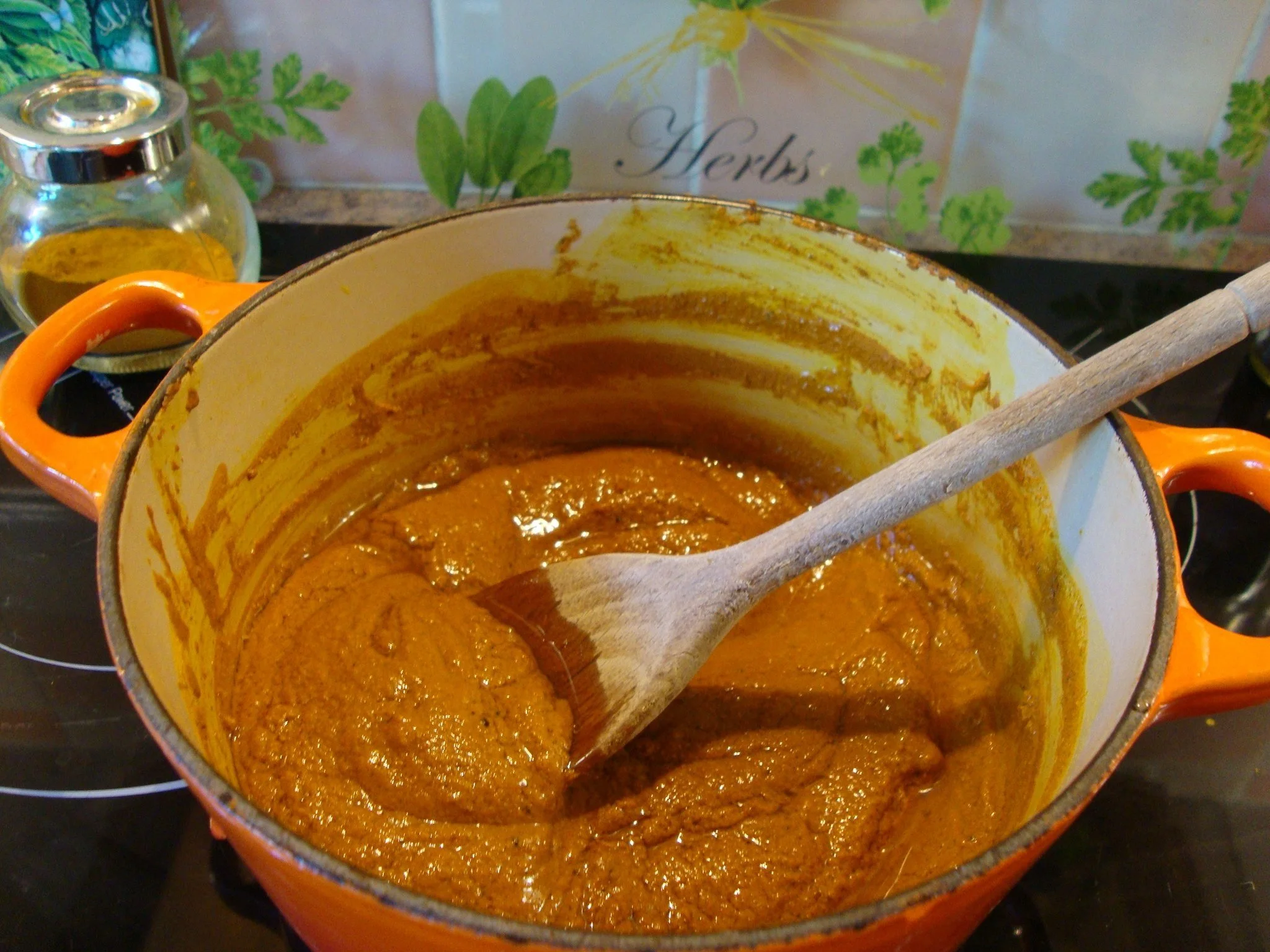
Turmeric Golden Paste Recipe
Turmeric is well known for its powerful antioxidant and anti-inflammatory properties. It is important to choose your turmeric wisely and a good supplier will be able to tell you the curcumin percentage which ideally should between 3-5%. The two other important ingredients are coconut oil for better absorption and freshly ground black pepper which contains a substance called Piperine. Studies show that the inclusion of piperine increases the uptake of curcumin.

Turmeric is well known for its powerful antioxidant and anti-inflammatory properties. It is important to choose your turmeric wisely and a good supplier will be able to tell you the curcumin percentage which ideally should between 3-5%. The two other important ingredients are coconut oil for better absorption and freshly ground black pepper which contains a substance called Piperine. Studies show that the inclusion of piperine increases the uptake of curcumin.
A blog on choosing turmeric powder can be found here : https://hedgerowhounds.co.uk/news/turmeric-how-to-choose-wisely
You will need:
Half a cup (65g) turmeric powder
One cup water
Quarter cup (30g) Coconut oil
Quarter teaspoon of freshly ground black pepper
Saucepan
Clean glass jar
How to:
Place half a cup of turmeric powder into a saucepan and add one cup of water. Gently stir over a low heat for approximately 5 minutes until it forms a paste. Adding more water if necessary.
Take off the heat and add the coconut oil and freshly ground black pepper, stirring to combine the ingredients.
When cool, pour into a clean glass jar with a lid, store in the fridge, and use within 2-3 weeks or it will deteriorate.
Amount to feed:
Start with a small amount stirred into the food or offered from a spoon, then over a few days build up to a suggested dose of half a teaspoon a day per 10kg of bodyweight. It is possible to reduce the dosage over time and also recommended that it is not fed every day long term but rotated with other natural remedies.
Caution:
Consult a veterinary surgeon if your dog is on medication and remove from the diet 3 weeks before and one week after any surgical procedures as turmeric can affect blood clotting.
Come and join us on Facebook @HedgerowHounds or Instagram hedgerow_hounds for more recipes and holistic healthcare advice.
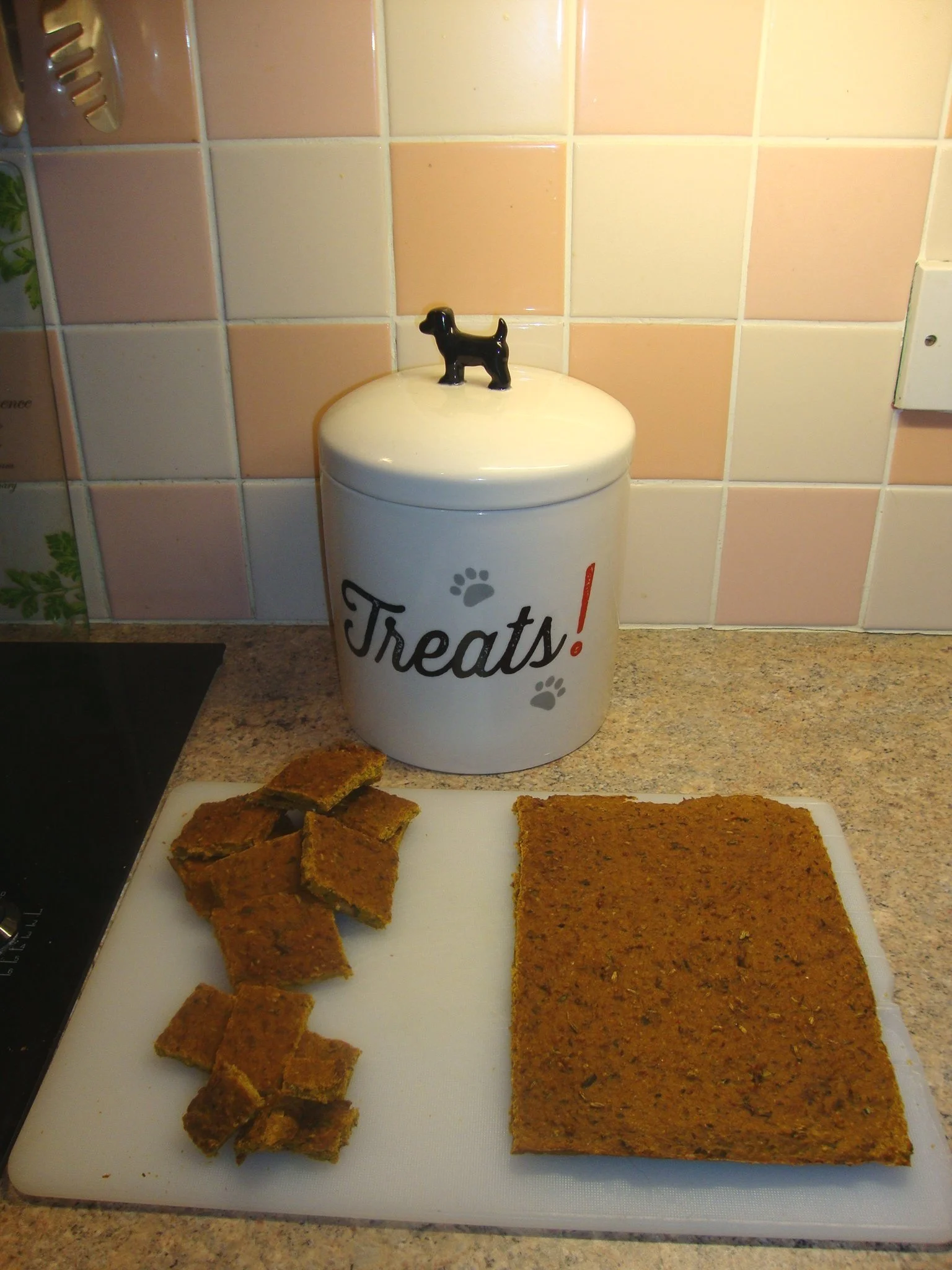
Turmeric and Pilchard Bake
This is a great recipe for senior dogs, those that prefer soft treats or very active dogs that will benefit from the anti-inflammatory effects of turmeric.

This is a great recipe for senior dogs, those that prefer soft treats or very active dogs that will benefit from the anti-inflammatory effects of turmeric.
There is also a recipe on how to make your own golden paste and a blog on what to look for when choosing turmeric.
To make the treats you will need:
Tin Pilchards 420g tin in tomato sauce or spring water (avoid the ones in oil)
Turmeric paste or powder- 1 tablespoon
2 cups Flour of choice (I used a combo of Gram & Buckwheat)
2 free range eggs
Quarter cup of gluten free jumbo oats/oatmeal or cooked Quinoa
Apple cider vinegar 1 teaspoon
Sprinkle of flax or chia seeds
Mix all ingredients in a bowl and add just enough water to make it spreadable in the base of a baking tray, which is best lined with baking paper. Level the ingredients out so it is a consistent thickness to allow for even baking.
Place the tray in a preheated oven at 180c for around 30 mins or until cooked but still springy & soft. Allow to cool slightly and then cut to an appropriate size for you dog.
Once thoroughly cold, store in an airtight container in the fridge and use within 7 days or put in the freezer and take out what you need each day.
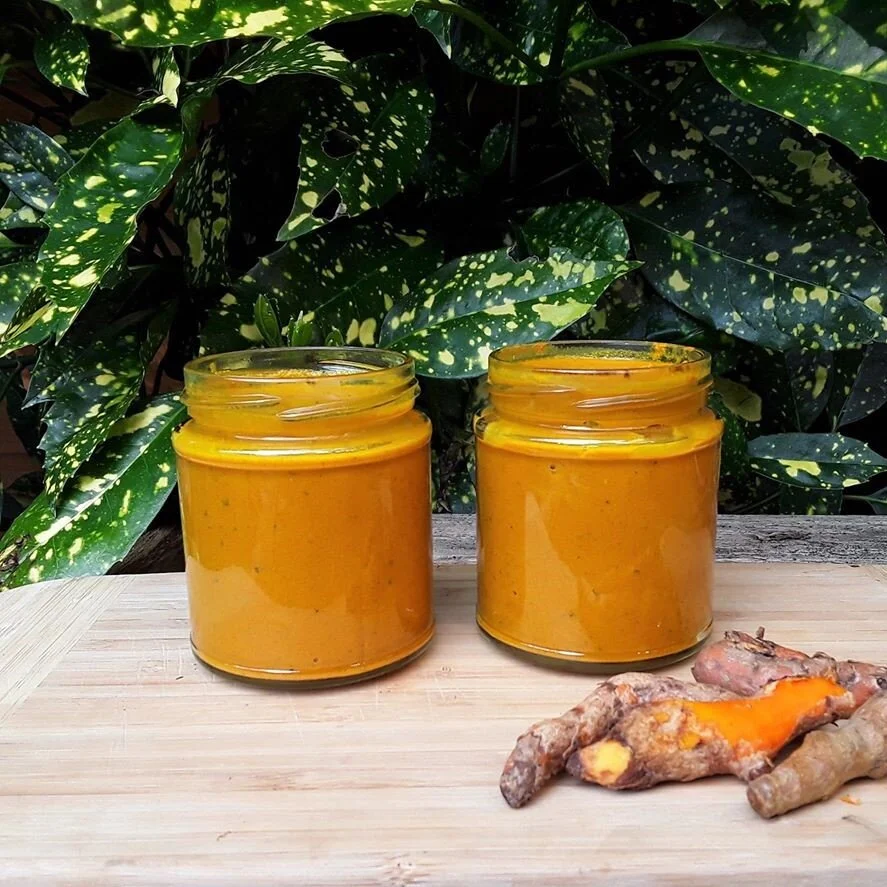
Turmeric - Which type?
Turmeric is a rhizome which is closely related to ginger and has traditionally been used for around 4,000 years in cooking, ceremonies and highly valued for its medicinal qualities.
Over the past few years it has become popular with people and their pets as a natural way to help alleviate aches and pains as it has anti-inflammatory and anti-oxidant properties.

Turmeric is a rhizome which is closely related to ginger and has traditionally been used for around 4,000 years in cooking, ceremonies and highly valued for its medicinal qualities.
Over the past few years it has become popular with people and their pets as a natural way to help alleviate aches and pains as it has anti-inflammatory and anti-oxidant properties.
It is important to choose your turmeric product wisely and there are a few things to check before purchase to ensure you are getting a quality source of turmeric and that it has a number of other ingredients included to aid better absorption and increase effectiveness.
Turmeric is naturally rich in vitamins and minerals including calcium, magnesium & potassium. Vitamins C, E,K,B6,B12 and folate. Minerals include iron, phosphorus, zinc, thiamine, riboflavin, niacin and beta- carotene.
Turmeric also contains a number of bio-active compounds called Curcuminoids. The most studied and well known of these is called Curcumin. It is important to have a certain level of curcumin present to ensure the best results. Turmeric powder sold in supermarkets for culinary use will usually have the curcumin removed, which is then used in capsules, so just the flavour and colour of the powder remains.
A good turmeric product will state the curcumin level and also give a list of other ingredients which compliment and increase absorption of the curcuminoids. The level of curcumin to look for is between 3-5 %. Other ingredients are an oil, usually coconut or flax seed oil and black pepper. Black pepper contains a substance called Piperine which in recent studies, shows an increase in the uptake of curcumin by 2,000%
There have been thousands of studies and clinical trails carried out on turmeric, curcumin and a variety of other compounds found in this rhizome. Some of these studies can be found at www.ncbi.nlm.nih.gov
Important advice if taking medication:
Any dietary turmeric should be used with caution if you or your dog is on medication as both curcumin and piperine can affect the absorption of medication. Turmeric can also influence blood clotting so remove from the diet two weeks prior to an imminent surgical procedure and for one week after surgery. Turmeric capsules intended for human use can consist of pure curcumin which is too strong for dogs and more likely to interact with medication, unlike the milder paste. If you want to give your dog capsules then ensure they are made for animal use.
Turmeric is a warming spice so it may be unsuitable for all year round use in certain dogs. Try and take a break or reduce the dose at some point in the year. A good time for a short break could be in the warmest of the Summer months when mobility is often eased due to an increase in temperature.
Holistic Healthcare for Much loved Dogs
www.hedgerowhounds.co.uk