Turmeric and Pilchard Bake
This is a great recipe for senior dogs, those that prefer soft treats or very active dogs that will benefit from the anti-inflammatory effects of turmeric.

This is a great recipe for senior dogs, those that prefer soft treats or very active dogs that will benefit from the anti-inflammatory effects of turmeric.
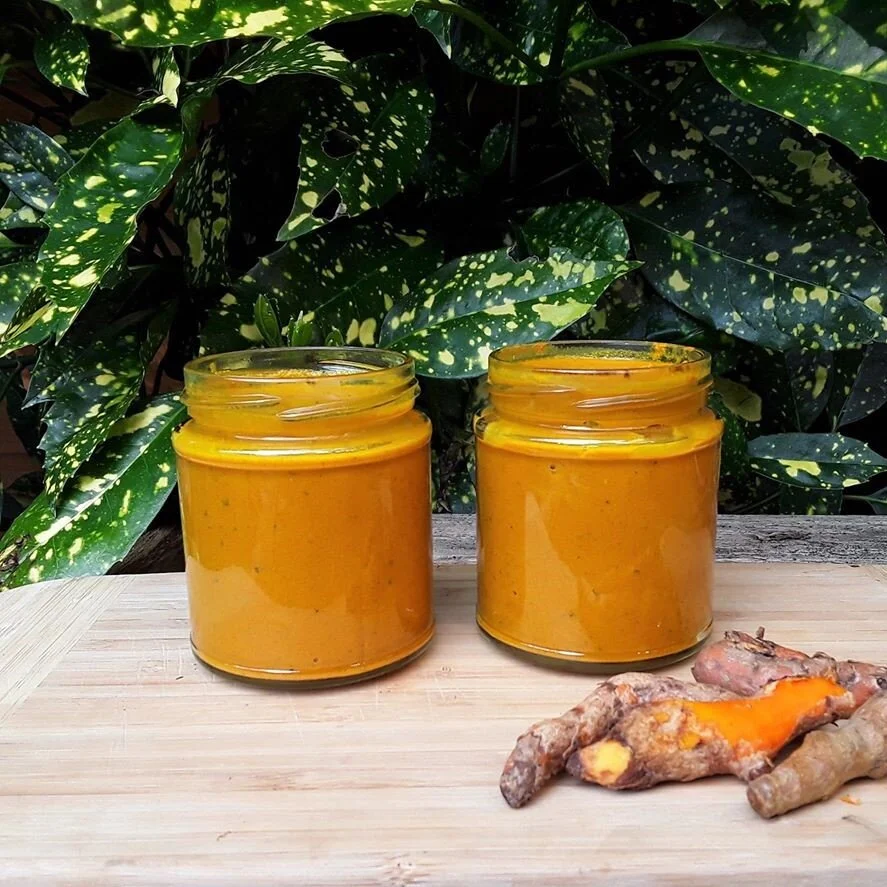
There is also a recipe on how to make your own golden paste and a blog on what to look for when choosing turmeric.
To make the treats you will need:
Tin Pilchards 420g tin in tomato sauce or spring water (avoid the ones in oil)
Turmeric paste or powder- 1 tablespoon
2 cups Flour of choice (I used a combo of Gram & Buckwheat)
2 free range eggs
Quarter cup of gluten free jumbo oats/oatmeal or cooked Quinoa
Apple cider vinegar 1 teaspoon
Sprinkle of flax or chia seeds
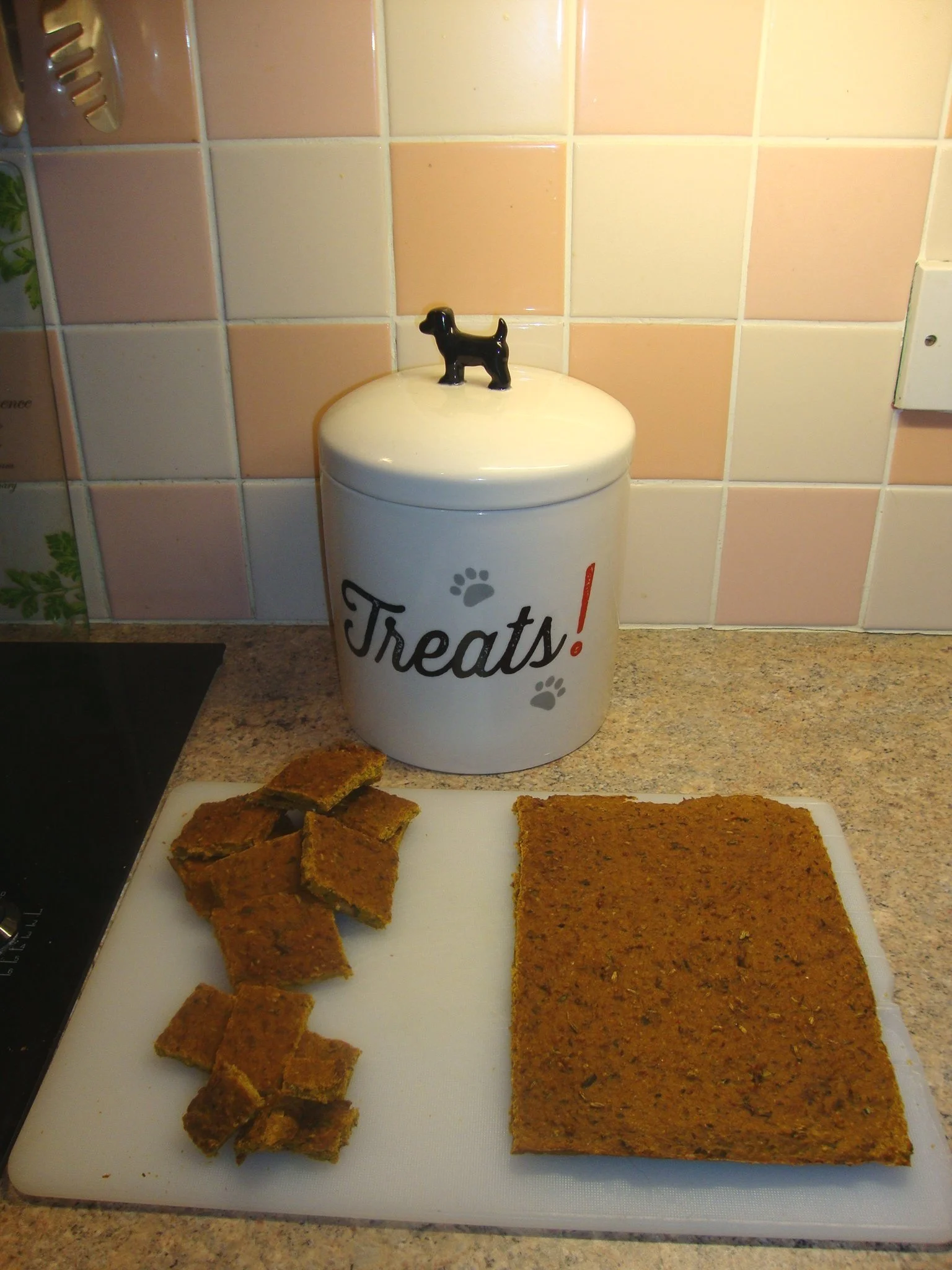
Mix all ingredients in a bowl and add just enough water to make it spreadable in the base of a baking tray, which is best lined with baking paper. Level the ingredients out so it is a consistent thickness to allow for even baking.
Place the tray in a preheated oven at 180c for around 30 mins or until cooked but still springy & soft. Allow to cool slightly and then cut to an appropriate size for you dog.
Once thoroughly cold, store in an airtight container in the fridge and use within 7 days or put in the freezer and take out what you need each day.
Turmeric - Which type?
Turmeric is a rhizome which is closely related to ginger and has traditionally been used for around 4,000 years in cooking, ceremonies and highly valued for its medicinal qualities.
Over the past few years it has become popular with people and their pets as a natural way to help alleviate aches and pains as it has anti-inflammatory and anti-oxidant properties.

Turmeric is a rhizome which is closely related to ginger and has traditionally been used for around 4,000 years in cooking, ceremonies and highly valued for its medicinal qualities.
Over the past few years it has become popular with people and their pets as a natural way to help alleviate aches and pains as it has anti-inflammatory and anti-oxidant properties.
It is important to choose your turmeric product wisely and there are a few things to check before purchase to ensure you are getting a quality source of turmeric and that it has a number of other ingredients included to aid better absorption and increase effectiveness.
Turmeric is naturally rich in vitamins and minerals including calcium, magnesium & potassium. Vitamins C, E,K,B6,B12 and folate. Minerals include iron, phosphorus, zinc, thiamine, riboflavin, niacin and beta- carotene.
Turmeric also contains a number of bio-active compounds called Curcuminoids. The most studied and well known of these is called Curcumin. It is important to have a certain level of curcumin present to ensure the best results. Turmeric powder sold in supermarkets for culinary use will usually have the curcumin removed, which is then used in capsules, so just the flavour and colour of the powder remains.
A good turmeric product will state the curcumin level and also give a list of other ingredients which compliment and increase absorption of the curcuminoids. The level of curcumin to look for is between 3-5 %. Other ingredients are an oil, usually coconut or flax seed oil and black pepper. Black pepper contains a substance called Piperine which in recent studies, shows an increase in the uptake of curcumin by 2,000%
There have been thousands of studies and clinical trails carried out on turmeric, curcumin and a variety of other compounds found in this rhizome. Some of these studies can be found at www.ncbi.nlm.nih.gov
Important advice if taking medication:
Any dietary turmeric should be used with caution if you or your dog is on medication as both curcumin and piperine can affect the absorption of medication. Turmeric can also influence blood clotting so remove from the diet two weeks prior to an imminent surgical procedure and for one week after surgery. Turmeric capsules intended for human use can consist of pure curcumin which is too strong for dogs and more likely to interact with medication, unlike the milder paste. If you want to give your dog capsules then ensure they are made for animal use.
Turmeric is a warming spice so it may be unsuitable for all year round use in certain dogs. Try and take a break or reduce the dose at some point in the year. A good time for a short break could be in the warmest of the Summer months when mobility is often eased due to an increase in temperature.
Holistic Healthcare for Much loved Dogs
www.hedgerowhounds.co.uk
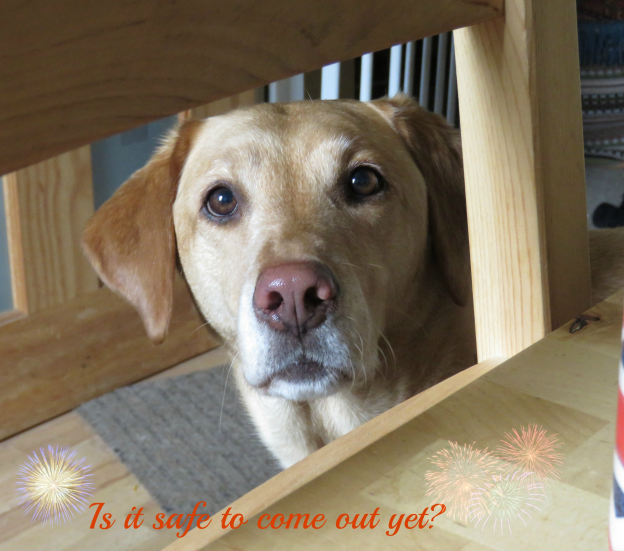
Helping your Dog Cope with the Firework Season.
What was traditionally on November 5th now seems to drag on well into the new year and can make life a misery for many dogs and their guardians.
Dogs can show their fear through obvious signs such as shaking and whining but often they also exhibit behaviours including digging and tearing at carpets and doors, excessive panting and drooling as well as vomiting and diarrhoea.

What was traditionally on November 5th now seems to drag on well into the new year and can make life a misery for many dogs and their guardians.
Dogs can show their fear through obvious signs such as shaking and whining but often they also exhibit behaviours including digging and tearing at carpets and doors, excessive panting and drooling as well as vomiting and diarrhoea.
There are a number of ways of helping your dog to cope with the stresses of fireworks and early preparation is the key to success.
Here are a few ideas to help your dog cope with firework night and beyond.
Build a Den: Many dogs like to hide away when they are frightened. This can be behind the sofa, under the bed, or in tight places. As long as it is a safe place for your dog, then adapt the area to make them feel secure and comfortable.
This can be anything from placing a heavy blanket over a table, dragging the sofa out from against the wall, or covering the dogs usual crate with a thick blanket. Build the den where your dog chooses to go and not where you think it should be. It is really important that the dog is not trapped so he must be able to move away from the den or exit the crate should he wish to.
Change of routine: You will probably have to change your dogs routine so they are taken out for a walk and fed earlier than usual. It may mean a longer walk in the morning and just a toilet break in the afternoon as fireworks can often start before it even gets dark. If you have to go out make sure your dog is kept on the lead and as a precaution use a harness in case he panics and tries to get away, you will have more control and your dog is unlikely to get loose.
If your dog is very fearful then try interactive or scent games in the house and garden instead of walking. “Nose” work can be tiring as well as giving them a sense of fulfilment and stress relief.
When in the house, close the curtains to help block out some of the noise and the flashing lights. Turn up the radio and TV a little louder than usual but try to act as if nothing is wrong or your dog will pick up on it.
Dogs sense our emotions, energy and stress levels very quickly, so It is vital to be there for your dog in a supportive and upbeat manner, keeping your own energy and stress levels down to create an atmosphere where they feel safe and protected.
Natural remedies: For dogs that suffer with anxiety, a combination of natural remedies plus adaptations to lifestyle will be necessary in order to provide comfort to the dog.
Calming herbs can be very useful, although for full effect it is advisable to start a number of weeks before a stressful event. The Hedgerow Hounds Tranquil blend, has helped many dogs that suffer with stress, nervousness and anxiety. I have also had success with the homeopathic remedy called Aconite so that is worth looking into as well.
Other remedies to try include flower remedies such as Bach or those specifically for animals including Creature Comforters.
There are also the calming sprays and diffusers which contain essential oils to promote relaxation. It must be remembered that dogs have the most extraordinary sense of smell, so it is important not to overwhelm the dog by using too much or liberally applying it onto their coat. If they cant move away from the aroma this in itself can be stressful. Instead I favour putting the spray or drops onto a piece of cloth or in an area where they can chose to inhale or move away from should they wish to. The Pet Remedy, sprays and wipes are an excellent range and available on the shop. https://www.hedgerowhounds.co.uk/products/pet-remedy-calming wipes https://www.hedgerowhounds.co.uk/products/tranquil-relax-sooth
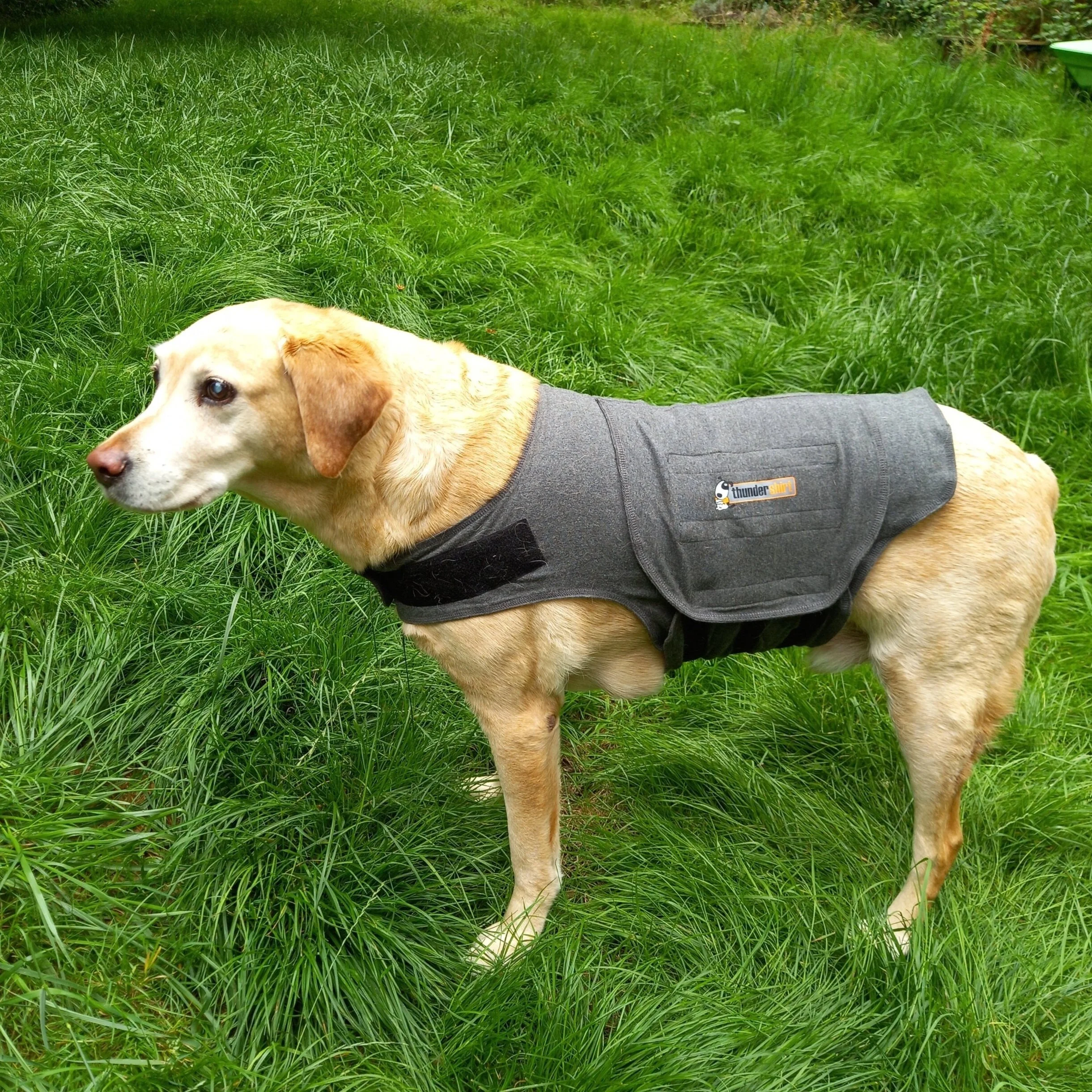
The Thundershirt can be useful for some dogs, but again it needs preparation before there is a stressful situation in place. Pressure vests work on the principle of compression, similar to the way an infant feels comfort when wrapped in swaddling. Pressure vests and correctly applied body wraps need to be used regularly before the actual event they are needed for. They have an accumulative effect and it is important that when they are worn initially that it is a very positive, calming and comforting experience. Take time to measure your dog according to the manufacturers guidelines, for a correct fit. It needs to be a snug fit but not so tight that the dog feels stressed and uncomfortable. For more detailed information on the use of pressure vests please read the blog https://www.hedgerowhounds.co.uk/news/body-wraps-pressure-vests
I asked Tom Bysouth BSc (CBT) a force-free dog trainer and behaviourist from Progressive Dogs, for some advise around firework season.
“ As the firework season draws nearer it is not too late to plan how to help your dog through this potentially stressful period. One thing that is important to remember is that you cannot make your dogs fear of fireworks worse by comforting and supporting them. If you have a puppy or young dog you can start to create positive associations around sudden, loud or unfamiliar noises. This can be done with playing a recording of fireworks at a very low volume while your dog plays a search game, eats their food or receives fuss from you. Through repetition, and the very gradual progression of raising the volume this can help teach your dog to associate these sounds with positive experiences.”
Tom can be found at www.progressivedogs.co.uk or email tom@progressivedogs.co.uk
More information on natural ways to help your dog overcome their fears can be found at:
@HedgerowHounds or our website www.hedgerowhounds.co.uk

Tranquil is a blend of herbs, roots and seeds specifically chosen to calm sensitive emotions and associated tummy upsets.

A natural, tried and tested range of products to relax body and mind and bring comfort to stressed, nervous and anxious dogs.
BODY WRAPS & PRESSURE VESTS
Pressure vests and elasticated body wraps have been in use for many years to assist anxious and fearful dogs and to aid recovery after surgery, injury and neurological conditions.

Caroline Hearn – MICHT. Dip ICAT Dip MLD
Sports, Remedial & Holistic Massage Therapist
Pressure vests and elasticated body wraps have been in use for many years to assist anxious and fearful dogs and to aid recovery after surgery, injury and neurological conditions.
The effects of the body wraps and the vests work in slightly different ways depending on their purpose of use and what results we are aiming for.
Pressure Vest (Thundershirt etc).
Probably the best known of all the pressure vests is the “Thundershirt” although there are many more on the market today that work on the same principal.
They are predominately used for dogs that are anxious, reactive and fearful of a known source such as thunder, fireworks, loud noises, travelling or separation anxiety.
The reasoning behind the vests is similar to the way that swaddling an infant can bring about comfort and reassurance.
Light compression activates the parasympathetic nervous system to help create a feeling of relaxation.
Once this system is stimulated, hormones such as endorphins, serotonin and dopamine are released bringing a feeling of calm, a reduction in anxiety and a lowered heart rate.
It is important to buy the right size of pressure vest. For it to be effective, it will need to be a snug fit. The aim is to provide light pressure that is in constant contact with the body but not so tight that it restricts movement.
For the best results, it is vital not only to prepare your dog for wearing one but also to use the vest in a positive way for a period of time before the actual stressful event takes place. Each dog is an individual, so proceed at a pace they are comfortable with. Some dogs, however gently and slowly they are introduced to the vest will not respond well and will become stressed and anxious whilst wearing it, so other things will have to be put in place to help them cope (see the whole fireworks series of blogs)
Wearing the vest should be an enjoyable, stress-free event that the dog associates with pleasant experiences. That could involve a few high-value treats, light massage techniques, a feeling of security, and spending quality time with their owner. Avoid activities that are too stimulating or increase adrenaline, as we are aiming to encourage a feeling of contentment and calm associated with wearing the vest.
The effects of the pressure vest accumulate over time so it is important to carry out the initial introductions when your dog is relaxed and in a state of mind that they can process it as a positive experience. It is also advisable for your dog to wear the vest from time to time to reinforce the feel-good factor when they have it on.
As with the wrap bandages, they should not be left on unattended or for long periods of time, without a break.
If you have a male dog make sure that the wide under-belly strap does not cause discomfort near his genitals, as some of the fastenings do extend a long way back in the abdominal area.
Be aware that the Velcro can be noisy when you unfasten the chest and belly straps, so a noise-reactive dog will need to be carefully introduced so they are not startled by it.
Body Wrap Bandages:
The use of wide, elasticated bandages such as the “Ace” bandage, can be used as a method to reassure a nervous dog or more often as a useful “tool” in the rehabilitation after surgery or where there has been long periods of immobilisation or recovery from a neurological condition.
They are also useful for preparing a dog to wear a harness or coat, touch sensitive dogs, those that pull hard when walking on a lead and for dogs that lack confidence.
The wraps are commonly used in a figure-of-eight configuration, making contact with the chest, crossing diagonally over the back and finishing either near the groin or incorporating the hindquarters.
They do need to be fitted correctly so not to cause harm or discomfort and one of the best guides on applying them can be found on the Tellington T-Touch website.
If they are being used for rehabilitation after surgery or illness then it is essential that your vet, physio or canine massage therapist shows you exactly how to apply them according to your individual dogs’ condition.
It is important that the bandage is elasticated, as the sensation of the pressure against the body which expands and contracts with movement, brings about a heightened sense of awareness on just how the dog is using their body.
The self-adherent bandage that you use for first aid is not suitable for this purpose as it can pull on the hairs and is not quick to remove, should your dog become distressed.
The correct use of body wraps works on the proprioceptive system. This is why they are so useful in rehabilitation and re-training of the body, for example, after a long period of compensatory movement due to pain or a previous injury.
Proprioception, meaning “one`s own” is a sense of relative position of neighbouring body parts and the strength needed for movement.
Proprioception plays a large role in co-ordination, posture and body awareness.
We receive proprioceptive input from the sensory receptors in our skin, muscles and joints. When these receptors are stimulated, through touch or pressure, the brain is provided with the information about our body positioning, movement and speed.
The wraps are often used when performing different activities such as walking and trotting over poles placed on the ground and travelling over varying terrain, this gives an awareness of the dogs limb positions, how they are placing them on the ground and the energy that is propelling them forwards.
It can also become apparent that the dog is favouring to push off more on one hind limb or much happier and free moving in one direction over the other. In these cases, it is important to take regular breaks after 5-10 minutes of work with the wraps on as muscles will become fatigued and sore when adapting to a new movement pattern.
Both the pressure vests and body wraps are a great addition to the holistic wellbeing of your dog. However, they do not replace the expertise of a qualified behaviourist or a canine therapist should your dog need additional help in certain areas.

Making a Den for Your Dog
It can be very useful to build a den or safe space for your dog to retreat too if they are particularly anxious in certain situations or around firework time. Give your dog time to get used to their den and feel like it is a safe and restful space to retreat to. Here are a few tips to get you started.

It can be very useful to build a den or safe space for your dog to retreat too if they are particularly anxious in certain situations or around firework time. Give your dog time to get used to their den and feel like it is a safe and restful space to retreat to. Here are a few tips to get you started.
Now is the time to start observing where your dog always chooses to relax or perhaps when they have been stressed or spooked in the past they always retreat to the same area? This could be under your bed, tucked behind the sofa, or on a landing that has no windows.
I had a Lab that insisted the only place he wanted to be when fireworks were going off, was in the under stairs cupboard, so it was made cosy and the door propped open a little so he could leave when he wanted. It was central in the house, had no windows and the sofa and TV were alongside it, so it does make sense.
Dogs generally like to be near their people, so it will be the case of organising things so you can be next to or near to your dog.
Use this time to create positive, calming experiences in that area and they have good memories of being there. Play the gentle music you have chosen so it's familiar, although on the night it will no doubt have to be turned up much louder.
You can offer treats and chews in the den on the days that lead up to the event, but if your dog is stressed during fireworks the last thing they'll do is eat and you want to avoid anything that may cause an upset tummy and sudden dashes into the garden.
If they are happy in a crate then cover with a heavy rug or thick blankets, but it is essential the door is kept open and not obstructed, a dog in a blind panic to flee, but is trapped, can cause themselves serious injury.
Please read the other blogs re: Anxious dogs and Firework fear which will also help.
Your Anxious Dog
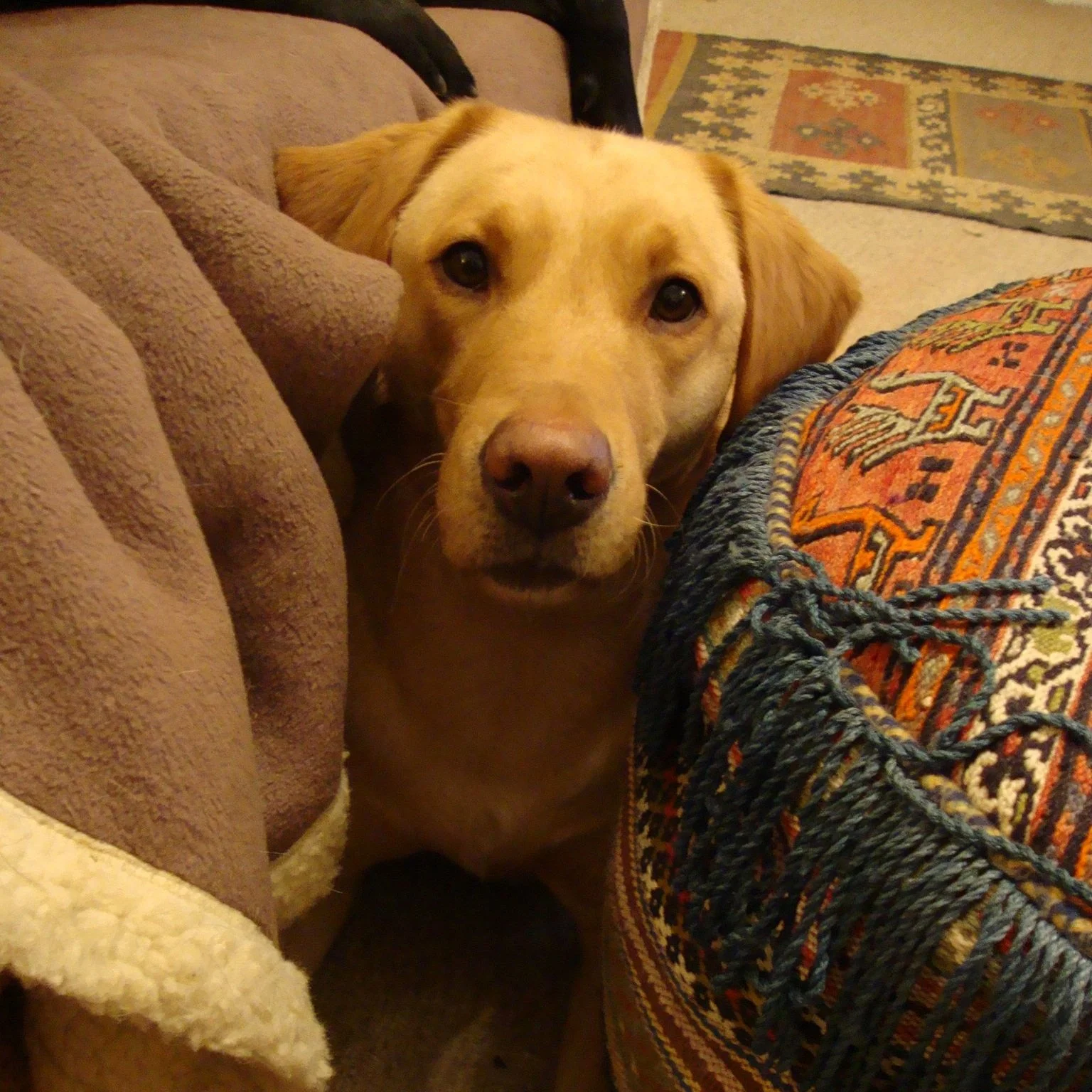
If you share your life with an anxious dog, you will know that there are many challenges to overcome and situations in everyday life that can act as a trigger resulting in fearful, frantic behaviour, reactivity towards dogs and people, excessive barking and gut issues to name a few. It can seem a lonely road to travel and that you take two steps forward one day followed by three steps back the next.
If you share your life with an anxious dog, you will know that there are many challenges to overcome and situations in everyday life that can act as a trigger resulting in fearful, frantic behaviour, reactivity towards dogs and people, excessive barking and gut issues to name a few. It can seem a lonely road to travel and that you take two steps forward one day followed by three steps back the next.
So here are a few hints, tips and links for further advice that I hope will help you and your anxious dog.
It is not just our dogs stress levels we should be mindful of! Dogs can read us like a book and are extremely sensitive to our emotions, our energy and the environment they are living in. It is important for our own health to manage stress and make some time to rewind from the stresses and strains of everyday life.
Taking even 10 minutes a day to concentrate on bringing your stress level down will have a knock on effect to your dog. Simple practises such as gentle breath work and meditation, preferably with your dog by your side, really do help. There is a free 12 minute guided meditation which is particularly lovely by Holly Husler. It can be found at the top of her page on this link FREE OFFERINGS — Holly Husler Sit somewhere quiet with your dog, slow your breath and completely unwind with your best friend.
Diet. Feeding a more natural, minimally processed diet, without excess carbohydrates and sugars will help in creating a more even temperament and put them in a mindset where it is easier to learn a better way of living. Here is a blog to help get you started introducing fresh food into your dogs diet https://www.hedgerowhounds.co.uk/news/improve-your-dogs-diet
Dogs love to sniff, lick & chew. Giving your dog something suitable to chew has huge psychological benefits as chewing releases serotonin, dopamine and oxytocin which are all calming and feel good hormones. If raw bones aren`t suitable for your dog then there are lots of healthy, natural chews available as well as providing Kongs and tracheas stuffed with tasty ingredients.
Allowing your dog to sniff when out on a walk or perhaps setting up an area in the garden where they can freely explore is incredibly beneficial to anxious dogs. Dogs are natural seekers of food so both the house and garden provides lots of opportunity to introduce scent games and hide and seek their favourite treats.
Dogs need to move and be in a safe place to unwind to process the stress they are feeling. They need to ground themselves on the earth, not carpet, laminate, concrete or synthetic lawn but actually on the earth itself. Creating a peaceful environment in your garden is a perfect place to do this and it`s somewhere to relax with your dog too. Just as pottering around the garden is very relaxing for us it is equally valuable to your dog.
Using snuffle and Lick-it mats, and interactive toys can be used in the house and handy to have when the weather limits time outside or maybe your dog is particularly stressed and needs some time away from the triggers of being outside. We have some gorgeous snuffle balls available here: https://www.hedgerowhounds.co.uk/products/snuffle-balls
Read the Snuffle Mat Blog here: https://www.hedgerowhounds.co.uk/news/snuffle-mats-and-balls
Calming herbs can also help, plus concentrating on easing any gut discomfort which undoubtedly goes hand in hand with a stressed, anxious mind. There is a link below with a few suggested products that could help. Both the Tranquil blend and Digest & Rest are particularly valuable in these situations.
Time to chill. Having time out or chill out days can be very beneficial to anxious, reactive or even very active dogs, to bring them back into some sort of balance and down from their constantly stimulated state of mind.
A dog that is in a heightened state of fear, stress, panic and self preservation will not physically be able to process and learn what is being asked of them. So by bringing down their stress levels they will be in a better frame of mind to learn new skills, cope with their stress and grow in confidence to make better decisions that are not fuelled by fear.
When dogs are over excited, anxious or constantly alert to potential dangers their autonomic nervous system releases the fight or flight chemical adrenaline into the bloodstream, over time this becomes very damaging to the whole body and the gut in particular. The other subdivision of the autonomic nervous system is the parasympathetic which is sometimes called the “rest and digest system” and creates calm, relaxation and a happy gut and this is what we are hoping to nurture on these quiet, restful days.
Finding a trainer or behaviourist that has experience with nervous dogs is invaluable. They will help you and your dog to learn skills at home which will help them cope with stressful situations when they arise in the future.
The old advice of just keep talking your dog out and they will get used to it” just doesn`t work and you will find that each outing will just top up the stress levels, adding fuel to the situation. Having as many chillout days as the dog needs, where there are no triggers or unnecessary demands made on the dog, is often a necessary step forward.
If you are looking for a private enclosed field to exercise or train in then there is a website where you can search for one in your area. https://www.dogwalkingfields.co.uk
There is a particularly good Facebook group that offers support, set up by Niki French called Pup Talk and she has recently released a book called Stop Walking Your Dog which has invaluable advice to help with anxious dogs. https://www.puptalk.co.uk
Sleep: Adult dogs require 16-18 hours of sleep a day, so it is important that your anxious dog gets enough rest and has a quiet space where they feel safe. This could be a crate with the door left open, a comfortable bed in an area where they are not disturbed by other dogs or people passing or observing where they always choose to sleep and make a cosy bed there.
Anxiety can present itself in many ways, here are a few to look out for:
• Digestion problems - IBS, Diarrhoea
• Over excitability
• Reactive behaviour (aggression)
• Excessive barking
• Noise sensitivities
• Humping
• Resource guarding
• Chewing or scratching the body
• Inappropriate toileting in the house
• Excessive licking
• Ball obsession
• Pacing
There are a number of products on the shop to help relax and support nervous, anxious and reactive dogs
Tranquil is a herbal blend created specifically with the nervous, anxious, reactive & stressed dog in mind https://www.hedgerowhounds.co.uk/products/tranquil-relax-calm
Digest & Rest https://www.hedgerowhounds.co.uk/products/digest-and-rest
Gentle massage and body work such as Tellington Touch can be really helpful but do be mindful that for some dogs, touch is not a positive experience. If they are fearful of hands they may be happy with a soft brush or cloth initially.
Body wraps and pressure vests such as the Thundershirt can be very useful for comforting an anxious and stressed dog, read the following blog which covers the topic in detail https://www.hedgerowhounds.co.uk/news/body-wraps-pressure-vests
Walking anxious & reactive dogs: Walking anxious, fearful and reactive dogs can be incredibly difficult and stressful for both dog and owner. I can clearly remember a daily walk at 5am for many months on the arrival of a particularly reactive rescue dog and having to drive to areas that were very quiet in order to keep their stress levels down.
Rehabilitating an anxious dog can be a long process, so as well as getting support from a compassionate trainer I would suggest joining a group on Facebook that supports anxious dogs and their owners and also looking up Sarah who started her business My Anxious Dog after her Spaniel became very stressed and reactive around other dogs and discovered just how difficult it was to inform others that her dog wasn`t nasty but just frightened and it would help if they just gave her space.
So, Sarah from My Anxious Dog has created a national #dogsinyellow day on the 20th March 2022 to raise awareness and to really educate others to understand the meaning of dogs wearing yellow. So please spread the word!
Sara says “Yellow warning or yellow space awareness products are used when walking an anxious, nervous or reactive dog.
Walking reactive or anxious dogs in public is challenging, especially when strangers and dogs walk over to say “Hi” to your fearful dog. Sometimes avoiding scary triggers is impossible, so we use yellow dog warning products or yellow space awareness products to let people know that our dogs need space or to be ignored”.
You can download your free awareness pack, shop for the fantastic products and make contact with Sarah via the website http://www.myanxiousdog.co.uk
www.hedgerowhounds.co.uk
Caroline Hearn MICHT. Dip.ICAT. MIAAT

Pumpkin Chicken Mash
A soothing and comforting meal for when tummy trouble strikes!
A soothing and comforting meal for when tummy trouble strikes!

You will need:
1 Small skinless chicken breast or Cod/Coley portion if your dog is sensitive to chicken.
Pumpkin or Butternut Squash peeled & diced around 400g
1 Small celery stick, finely chopped
A quarter teaspoon of fennel seeds, lightly crushed
How to:
Place the diced squash into a saucepan, cover with boiling water, and simmer for approximately 20 minutes or until soft.
Put the skinless chicken breast into another pan of boiling water along with the chopped celery and the crushed fennel seeds and simmer for around 15 minutes.
Drain the squash in a colander and allow to sit for 5 minutes to remove excess moisture then mash with the back of a fork or use a potato ricer.
Drain the chicken and celery.
Thinly slice or cube the chicken breast and stir into the pumpkin mash.
Serve slightly warm or at room temperature.
This recipe is not a complete and balanced meal, but it is extremely useful to feed in small portions if your dog has a sudden tummy upset or is a little off-colour. It is light, easily digested, and tempting for fussy or shy eaters.
If you have the Digest & Rest blend, then a little stirred into the mash will be very soothing to the gut, https://www.hedgerowhounds.co.uk/products/digest-and-rest
The chicken and pumpkin mash will keep in the fridge for up to five days or can be frozen in small individual pots for later use.
Caroline Hearn- Hedgerow Hounds