
Pumpkin Chicken Mash
A soothing and comforting meal for when tummy trouble strikes!

You will need:
1 Small skinless chicken breast or Cod/Coley portion if your dog is sensitive to chicken.
Pumpkin or Butternut Squash peeled & diced around 400g
1 Small celery stick, finely chopped
A quarter teaspoon of fennel seeds, lightly crushed
How to:
Place the diced squash into a saucepan, cover with boiling water, and simmer for approximately 20 minutes or until soft.
Put the skinless chicken breast into another pan of boiling water along with the chopped celery and the crushed fennel seeds and simmer for around 15 minutes.
Drain the squash in a colander and allow to sit for 5 minutes to remove excess moisture then mash with the back of a fork or use a potato ricer.
Drain the chicken and celery.
Thinly slice or cube the chicken breast and stir into the pumpkin mash.
Serve slightly warm or at room temperature.
This recipe is not a complete and balanced meal, but it is extremely useful to feed in small portions if your dog has a sudden tummy upset or is a little off-colour. It is light, easily digested, and tempting for fussy or shy eaters.
If you have the Digest & Rest blend, then a little stirred into the mash will be very soothing to the gut, https://www.hedgerowhounds.co.uk/products/digest-and-rest
The chicken and pumpkin mash will keep in the fridge for up to five days or can be frozen in small individual pots for later use.
Caroline Hearn- Hedgerow Hounds
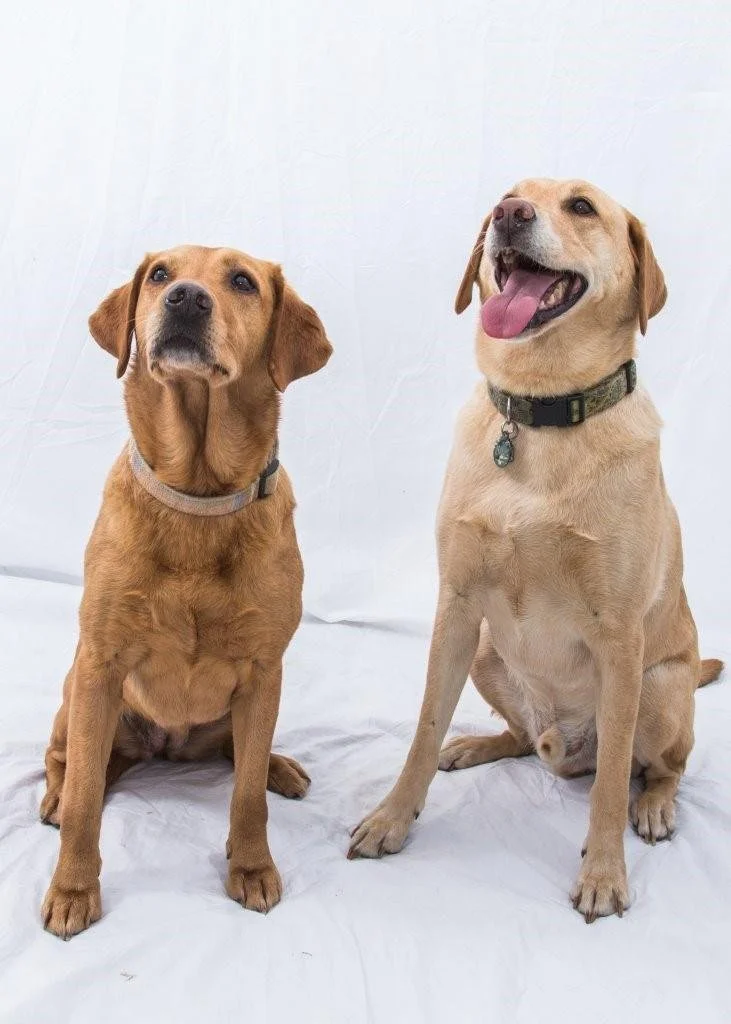
Holistic Dog Care Consultation
A holistic approach is necessary in order to get the whole picture and cover any area that may be influencing the issues the dog is experiencing.

From pups to senior dogs, those with mobility issues or active working dogs or perhaps you want to explore a more natural diet or lifestyle for your dog?
A holistic dog care consultation provides an opportunity to look at your dog as an individual and consider the different aspects of their lifestyle that may influence their wellbeing.
I have worked in the canine and equine natural healthcare industry for 30 years and have a particular interest in canine wellbeing, nutrition, herbs and holistic approaches to caring for dogs.
What is a holistic dog care consultation?
Rather than looking at one aspect of your dog's care in isolation, a holistic approach considers the bigger picture.
Every dog is different, and factors such as diet, lifestyle, exercise, enrichment, environment, routine and emotional wellbeing can all form part of that picture.
During a consultation, we can discuss your dog's individual circumstances and explore practical, natural approaches that may complement the care you are already providing.
What can we discuss?
Depending on your dog's individual needs, a consultation might include areas such as:
Nutrition and feeding
Herbs and natural approaches to everyday wellbeing
Supporting an active and healthy lifestyle
Enrichment and mental stimulation
Exercise and daily routine
Creating a more supportive home environment
Seasonal care
General wellbeing
Understanding your dog's individual needs
The consultation is tailored to you and your dog, rather than following a standard checklist.
Diet. Is your dog thriving on their current diet, or would they benefit from a few changes?
Exercise. Is the exercise that your dog gets suitable for their age, fitness or mobility?
Holistic Lifestyle. This would include your dog’s daily routine & the things they find challenging.
Medication. If your dog is on medication, this may need to be taken into account, so as not to interfere with its effectiveness.
A holistic approach to your dog's wellbeing
Our dogs live very different lives from those of their ancestors. They share our homes, our routines and increasingly our busy lifestyles.
Sometimes small changes to the way we feed, exercise, enrich or interact with our dogs can make a meaningful difference to everyday wellbeing.
A holistic consultation gives you the opportunity to step back and look at the bigger picture.
It is not about trying to change everything at once. Often, a few simple and realistic changes are the best place to start.
My approach
I draw on my many years as a canine sports massage therapist, raw food and fresh feeding expert and my lifetime with dogs to help you and your dog.
I don't believe in a one size fits all approach. What works beautifully for one dog may not be appropriate for another, which is why understanding the individual dog is so important.
The aim is to give you practical information and ideas that you can incorporate into everyday life, at a pace that feels manageable for both you and your dog.
Would a holistic dog care consultation be useful for you?
If you would like to take a more holistic approach to your dog's everyday care but aren't sure where to begin, a consultation can provide an opportunity to discuss your concerns, ask questions and explore some practical options.
Sometimes it helps simply to have someone knowledgeable look at the bigger picture with you.
If you would like to discuss the problems you are experiencing with your dog, then a consultation with Caroline can help put you and your dog back on the right track.
Here is the link: https://www.hedgerowhounds.co.uk/products/p/consultation
A holistic consultation is not intended to replace veterinary care. If your dog is unwell, has persistent or concerning symptoms, or you are worried about a change in their health, veterinary advice should always be sought.
Caroline Hearn
MICHT. IIHHT. Dip.ICAT. ISCP.Dip.Canine Nutrition
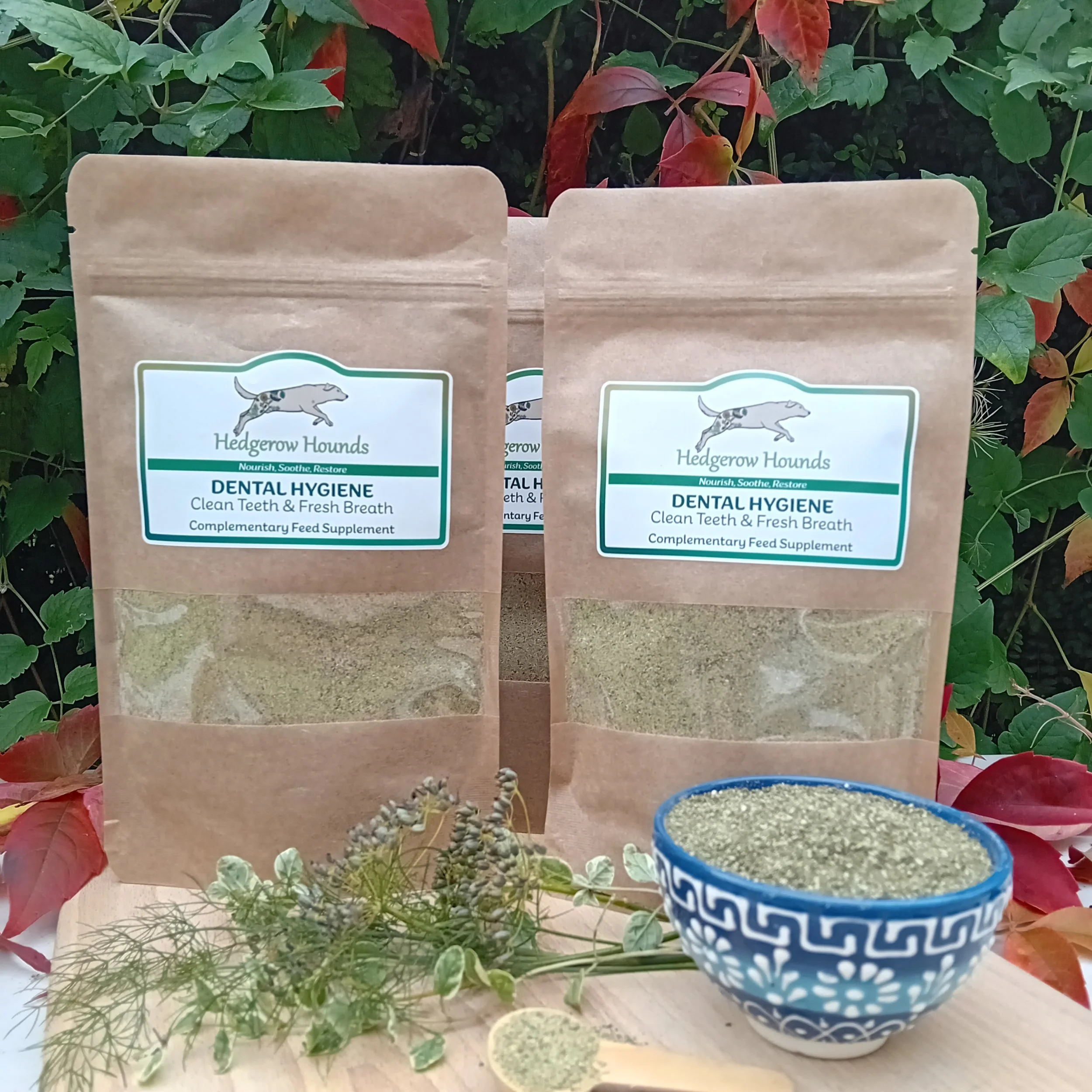
Dental Hygiene Formula
The dental hygiene formula for dogs has been created to clean tartar and plaque from the teeth and to improve the overall health and hygiene of the mouth and gums. Although this blend’s main aim is to improve oral health there are so many benefits to feeding this supplement for improving all aspects of health and optimal wellbeing.

The dental hygiene formula for dogs has been created to clean tartar and plaque from the teeth and to improve the overall health and hygiene of the mouth and gums. Although this blend’s main aim is to improve oral health there are so many benefits to feeding this supplement for improving all aspects of health and optimal wellbeing.
The blend is made up of ingredients of the highest human-grade food quality.
The Seaweed used is a certified Organic Fucus vesiculosus Seaweed. It is traceable to the precise location of harvest, from remote areas of the British Isles and Nordic region, so you can thoroughly trust the purity and source.
High quality, pollution-free seaweed is highly nutritious and offers your dog the following benefits:
An effective prebiotic, high in antioxidants.
High levels of vitamins, minerals, trace elements, amino acids, antioxidants & omega fatty acids.
Iodine for optimum thyroid function.
Improves skin, coat, and nail health and loss of pigmentation.
Improved oral health by preventing or aiding in the removal of tartar and plaque formation. Seaweed has antibacterial properties to act against harmful bacteria in the mouth and alongside the other ingredients used greatly aid in disease prevention of teeth and gums.
Fennel is added for its ability to inhibit the build-up of plaque due to its high levels of polyphenols. Fennel can also reduce the growth of harmful bacteria and yeast. It has good levels of manganese, magnesium, Iron, calcium, and fibre. It also helps ease any intestinal gas and aids in digestion.
Oregano has powerful anti-inflammatory, antimicrobial, and antibacterial actions. All these properties assist in creating good oral health and helping to ease issues such as gingivitis. Due to Oregano’s high levels of antioxidants, it is also effective at balancing the gut bacteria.
What is it good for? This dental hygiene for dogs has been specifically created with oral health in mind. It can help remove the build-up of plaque and tartar, and create a healthier environment in the mouth so issues are less likely to occur. If your dog has a serious dental issue that requires veterinary intervention the blend can be used afterwards to aid in the prevention of further disease and hopefully eliminate the need for another tooth clean under anaesthetic, which is particularly important when caring for senior dogs or those with other health problems.
How to use: There are several options for using this dental blend depending on the current health of your dogs mouth and the amount of tartar you are aiming to reduce.
As with any new supplement, it is recommended that you gradually introduce the blend over 5 days. If your dog has a visible build-up of tartare, stained teeth, bad breath, and inflamed gums then it is suggested that the suggested amount is fed over the space of approximately 15 weeks, although you may see a marked improvement well before then. All the amounts to feed are dependent on your dog’s body weight and are stated on the labelling of the product.
If your dog already has clean teeth and good oral health and you would like to keep it that way as they age, then the initial “loading” amount over several weeks isn`t necessary. It is suggested that you feed the full amount for 6 weeks and then drop down to half that amount for maintenance. As an example, a 35kg Labrador would have half a teaspoon (approx. 2g of the powder) daily for 6 weeks, after this time the amount given can be halved if required to a quarter teaspoon (1g) for 5-7 days a week.
If at any time you see discolouring of the teeth, the amount can then of course be increased again to the maximum amount of half a teaspoon for that particular body weight. Each dog is an individual and the rate of plaque formation will vary depending on breed, age, diet and lifestyle so initially it may take a little while to find the exact amount that is suited to your dog.
Can I speed up the removal of hard tartar? Yes, you can speed up the process if there is hard tartare or a build-up in certain areas. Abrasive natural chews or size-appropriate recreational raw bones will help lift the tartar. Teeth cleaning with a toothbrush or lint cloth to ease any loosening tartar away. You may find there is often a stained area at the very top of the canine tooth nearest to the gum line which bones and chews can`t reach. This can be removed with a lint cloth or toothbrush once the supplement has been used for a couple of months.
Important message for certain health concerns:
Due to seaweed’s naturally occurring iodine content, it is not suitable for dogs that are undergoing veterinary treatment for hyperthyroidism or on thyroid medication. Also, avoid feeding this blend to pregnant and lactating females until the litter is weaned.
Hedgerow Hounds makes veterinary-formulated supplements for dogs. The company was founded and is owned by a qualified holistic canine therapist with 30 years of experience in holistic dog care and nutrition.
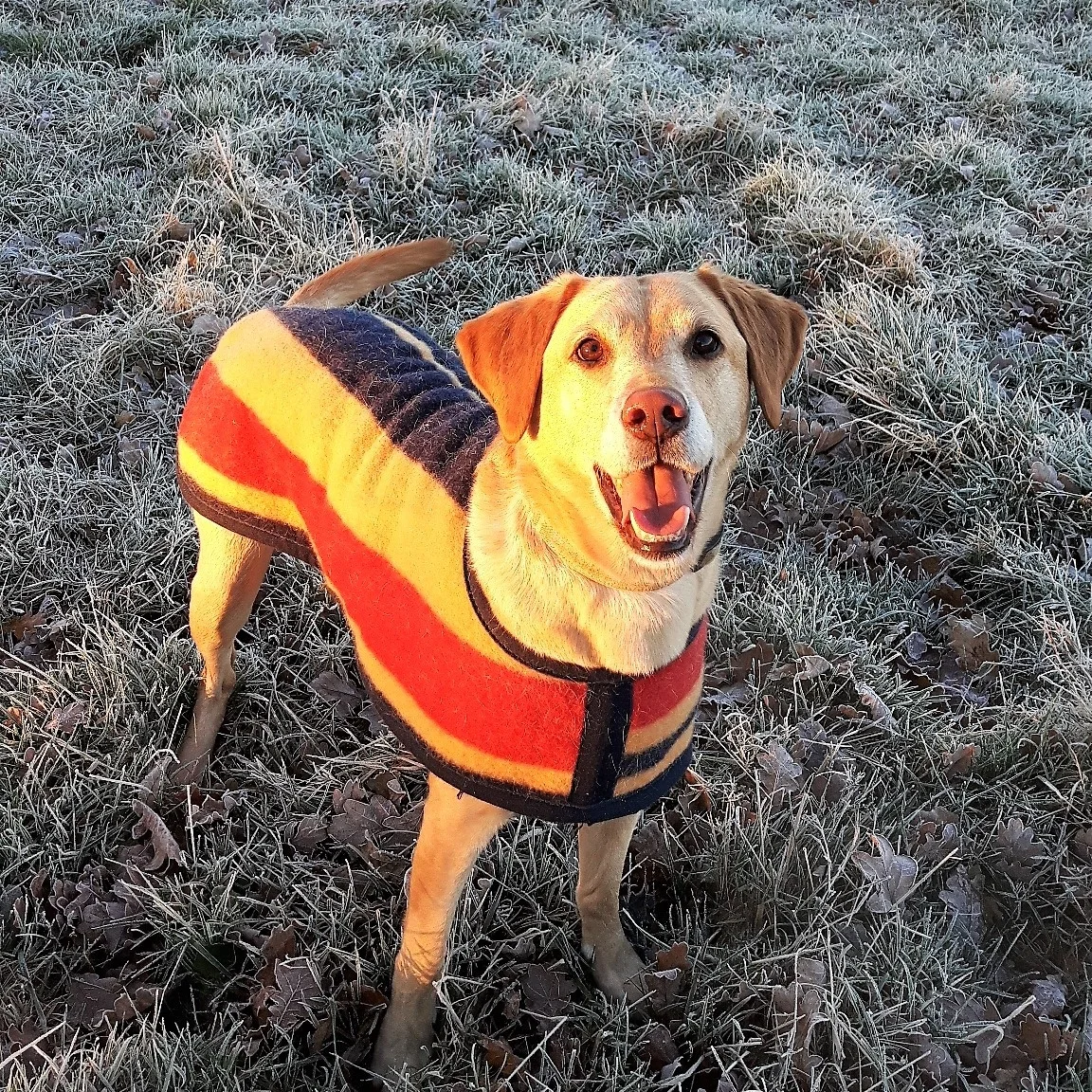
Walking your Dog in Winter
A few top tips for safe Winter walking
Exercising our dogs in Winter can sometimes be a challenge, here are a few top tips to make life easier and safer for your dog.
A frosty start to the day will mean that your dogs muscles are cold from the fall in temperature and also a little stiff from resting all night so will need to gradually limber up before strenuous exercise.
It is really important to give between five and ten minutes lead walking and even more so for seniors and dogs that have had an injury in the past, before letting them off the lead to run. A warm, lengthened muscle is far more prepared for a faster pace and much less prone to injury.

Old or arthritic dogs will benefit from a comfortable, warm coat to wear, this can always be removed if they start to get too warm once they have had a run around.
Be aware that the ground underfoot can change dramatically with a hard frost. The usual muddy track or gateway can become very treacherous and icy or any rutted ground frozen solid. This can cause damage to your dogs paws, joints and muscles should they run over it at speed. Also be careful when there has been snowfall and you are walking in an unfamiliar place as the snow can conceal many hidden dangers underneath. Snow can also bring out the hidden puppy even in the oldest of dogs so putting them on a long line can allow them some freedom to play without the danger of them overdoing it or injuring themselves.
If you have to walk on pavements and grit has either been laid down or spread across from the gritting lorry, then make sure you wash your dogs paws, legs and undercarriage off immediately with luke warm water on returning home, followed by towel drying as they are less likely to lick their legs if they are dry. When the pads are dry a paw balm can be rubbed in to avoid the pads cracking or becoming sore.
Here are 2 natural products that I wouldn’t be without at any time of the year but are particularly useful in Winter. All can be found on the shop.
https://www.hedgerowhounds.co.uk/products/green-clay
https://www.hedgerowhounds.co.uk/products/adore-the-paw-balm
If you walk your dog in the late afternoon or evening then remember to wear some sort of reflective clothing and also something on your dogs collar or harness. There are discs and collars that contain a battery and can be illuminated at the touch of a button. These are useful if you intend to let your dog off the lead, as you can see where the dog is at all times or if you mistime your walk and suddenly find you are walking back in fading light.
Be extremely vigilant of the dangers of anti-freeze, which can either be spilled or sometimes end up in puddles from a passing vehicle. If you are walking in an area where this could be a possibility then keep the dog on a lead and make sure you have a bottle of water and a travel bowl with you for longer walks to avoid the temptation of them drinking from puddles. If you see your dog lick anti-freeze then they need to be taken to the vet immediately as it is extremely poisonous.
If older or arthritic dogs suddenly stop wanting to go out for walks once the weather turns colder then it could well be that they are uncomfortable somewhere in their body and possibly have joint pain which is made worse by the cold, damp weather. Speak to your vet about any medication they are on and also look into feeding a quality joint supplement to help them feel more comfortable. They may only require a very short walk or just a wander around the garden if the weather turns very cold and miserable.
Snuffle mats, Licki mats and interactive toys are fantastic for less mobile dogs and encourage them up out of their beds and to gently move around, easing stiff joints and muscles.
A blog about using Snuffle Mats is here: https://www.hedgerowhounds.co.uk/blog/snufflmats-and-balls
Other blogs which covers injury prevention and managing senior dogs can be found here: https://www.hedgerowhounds.co.uk/news/repetitive-strain-injuries-in-dogs
https://www.hedgerowhounds.co.uk/news/holistic-care-of-senior-dogs
Caroline Hearn MICHT. Dip ICAT. MIAAT
Human, Canine & Equine Sports & Holistic Therapist
www.hedgerowhounds.co.uk
Gut Health, Immunity and Microbiome
At first glance the digestive system appears to have a very simple task of taking in food, digesting it, absorbing nutrients, and then excreting the waste, and while everything is in good working order, we never even give it a second thought.
At first glance the digestive system appears to have a very simple task of taking in food, digesting it, absorbing nutrients, and then excreting the waste, and while everything is in good working order, we never even give it a second thought.
It is in fact an incredibly complex structure with a vast number of tasks to undertake. The more the gut is studied the more we realise the vital role it plays in achieving optimum health, disease prevention, and stabilising our emotional state.
Although the teeth are needed to some extent to bite, crush and tear off food the actual process of digestion doesn`t start until it reaches the stomach. With no digestive enzymes in the saliva to kick start it off, the food needs to quickly get where the real work begins, which is in the stomach.
Oesophagus:
Is a long muscular tube that runs down the neck, passes through the diaphragm and uses strong contractions to push food directly into the stomach.
Stomach:
The stomach lies at the front of the abdominal cavity, tucked just behind the liver and acts like a big mixing bowl.
Any incoming food is first subjected to an acid bath of around ph1, this immediately gets to work breaking down protein and also killing any harmful bacteria.
The walls of the stomach are lined with a thick mucous which provides protection from the strong acid as well as stopping the stomach from literally digesting itself.
As the stomach expands with food, a peptide hormone called gastrin is released, which in turn triggers more hydrochloric acid and digestive enzyme production.
To aid digestion even further the surface of the stomach is a mass of wrinkles and folds which expand and contract to grab food particles and perform a churning or chewing-like action.
At this point, the thick soup-like constancy of partly digested food and secretions is known as chyme.
The food has now been in the dogs stomach for anywhere between five and ten hours and its next destination is the duodenum, the first section of the small intestine.
Pancreas
The pancreas is a small gland, which sits next to the stomach and is attached to the small intestine, here it transports digestive enzymes through two excretory ducts into the duodenum.
The enzymes it produces are amylase to help digest starch, lipase to digest fats and trypsin and chymotrypsin to deal with the protein.
Enzymes are needed to break down food into tiny molecules and allow the absorption of nutrients into the cells of the intestines which then go on to be released into the bloodstream.
It also produces and secretes the hormones insulin and glucagon that regulate blood sugar levels. The higher the concentration of sugar in the diet the more insulin is secreted into the bloodstream and the harder the pancreas has to work.
Liver
The liver is the largest gland in the body and the only organ that has the potential to regenerate after disease or injury.
Its many crucial jobs include producing bile to assist the small intestine in breaking down and absorbing fats and to process the nutrients that are absorbed by the small intestine.
Its other roles include storing vitamins and minerals, acting as a filter for toxins in the bloodstream and as a glycogen store for when extra energy is needed.
Small intestine
The small intestine is made up of three sections, Duodenum, Jejunum (longest) and the ileum (shortest)
On receiving the nutrient-rich chyme from the stomach, it is joined by secretions from the liver, gallbladder and pancreas to further assist in the digestion process.
The small intestine is lined with millions of tiny finger like projections called the Villi, these act to increase the surface area in order to trap and absorb as many nutrients as possible.
Most of the absorption of nutrients takes place in the small intestine, which are then released into the bloodstream to travel throughout the body to be utilised by the cells.
The final and shortest part of the small intestine is called the Ileum, here the food gets broken down even further in preparation to enter the cecum, the first section of the large intestine.
Large intestine :
The large intestine is made up of the cecum, colon and rectum.
Its purpose is to remove water from the faeces, keep electrolytes in balance and to prepare and temporarily store any indigestible matter for excretion.
But there is much more activity going on in the colon than just that and although not a very glamorous area of interest, it does deserve our full care and attention.
The large intestine has a high concentration of bacteria referred to as the
Microbiome.
This is a collection of microbes made up of bacteria, viruses and fungi that we all have in our gut for efficient digestion, absorption of vital nutrients and to build a strong immune system.
Our dogs would have acquired their unique bugs from their mother at birth and developed others depending on the environment they lived in and the food they ate.
The delicate balance of the microbiome can easily be disrupted by medication such as antibiotics, periods of stress and anxiety and a poor, unsuitable diet.
When everything is in balance these good bugs work hard to extract as much nutrition as possible out of the food that is consumed and to ensure the smooth running of the whole gastrointestinal tract.
The bacteria are also responsible for assisting in hormone production such as serotonin, which occurs in the highest concentration thorough out the lining of the gut.
A thriving, balanced microbiome is absolutely essential for the dogs ability to resist or fight disease, control inflammation in the body and for a positive influence on their mental wellbeing.
Rectum and anal glands.
The faeces are then ready to be expelled along with the indigestible matter and dead red blood cells that it contains.
Ideally, the dogs stool will be quite firm, which will press on the anal glands as it is passed, causing the glands to naturally empty.
All disease begins in the gut - Hippocrates
Immunity and the gut
The gut forms between 70 - 80% of the immune system and has a vital role in regulating immunity, protecting our bodies from invaders such as allergens and pathogens and controlling inflammation.
The food we chose for our dogs and the lifestyle choices we make for them will have either a negative or positive effect on their overall gut health, ability to utilise the nutrients in the food they eat, the essential fuel to grow and repair their body and to thrive well into their senior years.
Caroline Hearn - Canine Holistic Therapist
Winter Bone Broth
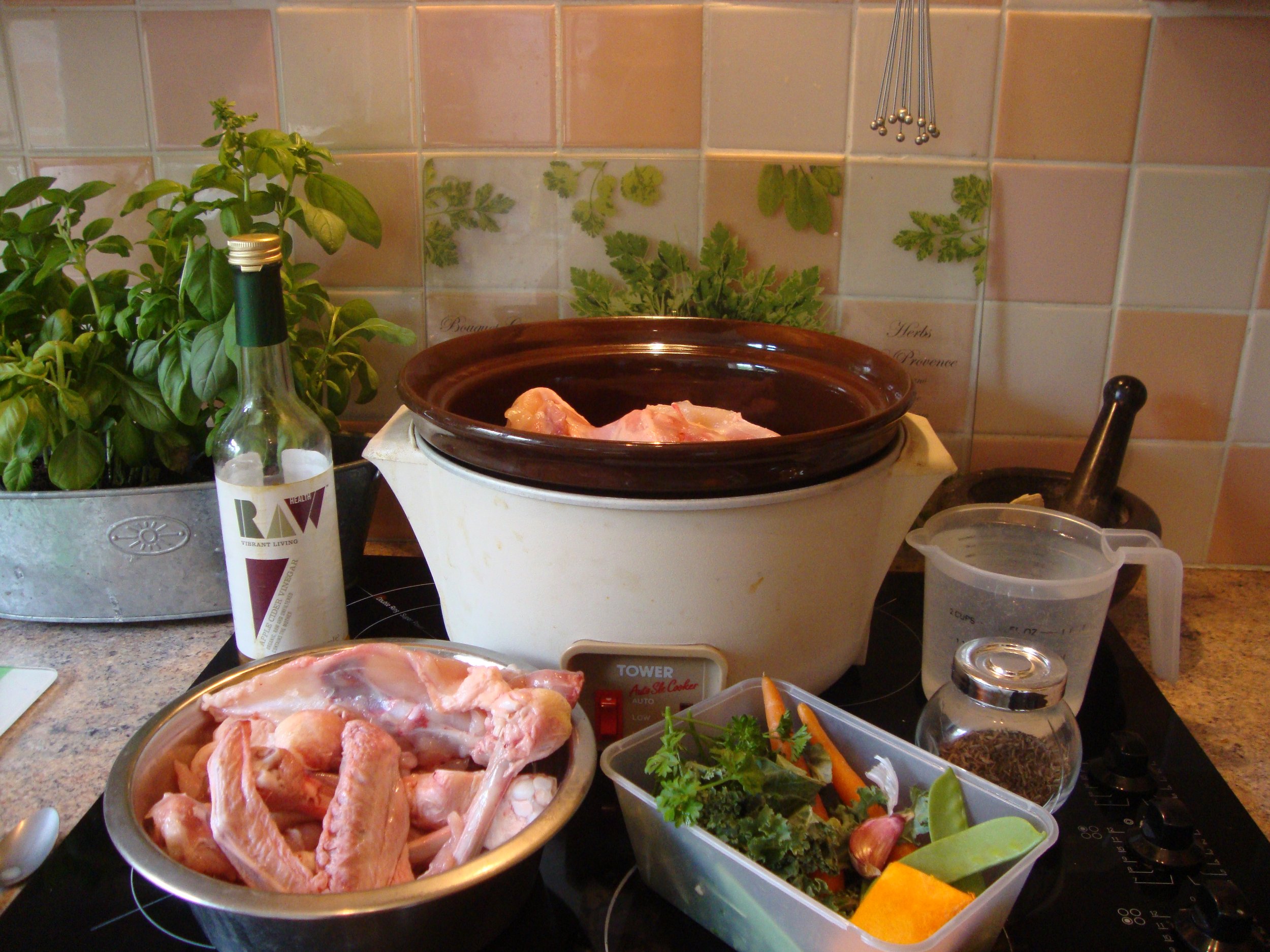
As we approach the coldest months of the year we turn to foods which offer comfort and warmth.
We can also provide our dogs with a seasonal variation on the usual bone broth recipe by adding ingredients which are traditionally used to support joint health and immunity.
As game is currently in season, try and find bones from venison, duck, pheasant or partridge. Duck and chicken feet are a good source of glucosamine, chondroitin and gelatine and after many hours of cooking will dissolve into the broth.
Avoid bones with a large amount of fat, skin and central marrow, which will just produce a very fatty and oily broth. Either remove the fat and marrow or chose a different type of bone. If your dog is prone to pancreatitis it is very important to select lean bones, remove any visible fat before cooking and skim off any that comes to the surface during cooking.
You will need approximately 4 - 5 pounds of bones of varying types and size to make a good broth. Some bones, such as ribs will completely break down into the broth, whereas harder bones will be lifted out in large pieces.
You will need:
A slow cooker or large stock pot with a lid
Bones such as duck, venison, pheasant, partridge, chicken, turkey, ox tail, beef, lamb ribs etc.
Enough water to just cover the bones when they are placed in the cooking pot.
1 stick of celery roughly chopped
Cider apple vinegar - 2 tablespoons
Ginger – 1 thumbnail size piece of fresh or half a teaspoon of powered
Turmeric 1 teaspoon (fresh or dried)
Cinnamon - quarter of a teaspoon
Shiitake mushrooms- quarter of a cup (dried or fresh)
1 level tablespoon Autumn Harvest herbal blend
2 grinds of black pepper
How to make:
Place your chosen bones into the pot and pour on the water so they are just covered. Add the cider apple vinegar and black pepper. The slow cooker is used on its lowest setting or a stock pot placed over a very low heat for anywhere between 24 – 30 hours, although some people prefer to leave the broth cooking gently for nearer to 36 hours .You may need to top up with water if the levels are getting very low.
In the remaining 2 hours of cooking add the spices, mushrooms and vegetables.
When complete, turn off the heat and carefully remove the bones with a slotted spoon plus skim off any excess fat that may be on the surface.
As the resulting broth starts to cool, transfer into ice cube trays or suitable sized pots to place in the fridge or freezer for later use. If you want your broth as a set jelly then you could stir in a level tablespoon of gelatine powder.
Store in the fridge and use within 1 week or keep in the freezer and use within 4 months.
Add the defrosted broth to meals, any recipes you make or gently warm through to provide a warm, comforting treat on a very chilly day.
**It is essential to remove the bones and dispose of them safely and under no circumstances should they be fed **

LAMENESS AND REPETITIVE STRAIN IN DOGS
While supplements can be a big help in supporting joint health and controlling inflammation they will be of limited benefit unless there are positive exercise & lifestyle changes.
Caroline Hearn MICHT. MIAAT. Dip.ICAT Dip MLD Dip. Myofascial Release.
Human, Equine & Canine Sports & Holistic Therapist
As a canine massage therapist I see many dogs with injuries and lameness caused by repetitive strain, which can easily be avoided or kept to a minimum with some lifestyle changes. The main causes seem to crop up time and time again so here are the most common factors and ways to avoid injury to your dog.
Ball and Frisbee throwing:
Constant chasing after a ball or combined with leaping in the air to catch a frisbee is probably one of the main causes of injuries, lameness and strain that I see. The action of a burst of energy followed by a sudden stop, a skid then a rapid turn will put huge strain on the dogs shoulders, forelegs, neck, pelvis and spine.
Like us, dogs will favour one side of their body so will always prefer to turn in the same direction causing over use of muscles and joints. This repetitive action is very unnatural for a dog and if left to chase and hunt in the wild they would never continuously sprint with a sudden halt afterwards.
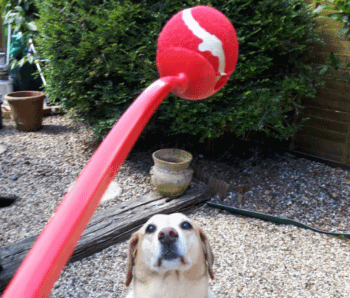
Also ball throwing for some dogs can mean they are on a constant adrenaline high so causing emotional as well as physical stress. This sort of exercise can cause micro trauma often not shown by the dog at the time of chasing as the sheer thrill they get can often mask any discomfort. But with time the dog will compensate for the discomfort elsewhere in their body and become lame. Instead, encourage hunting for a hidden ball or a treat in some undergrowth and reward with either giving the dog the ball to carry or a single retrieve of a ball placed ahead. Keep it to an absolute minimum and find other ways to interact with your dog . Always warm your dogs muscles up with at least 5 minutes on the lead before letting them off to run at speed.
2. Jumping out of cars, off furniture and down stairs:
All these activities put a lot of strain on your dogs shoulders and forelegs. The added problem with jumping out of the boot of cars is that your dogs muscles will be cold and it is often from a great height onto a hard surface, usually followed by immediately running off to start a walk. Teaching your dog to use a ramp will save so much strain on their body. Read our blog https://www.hedgerowhounds.co.uk/news/teaching-your-dog-to-use-a-car-ramp for more advice
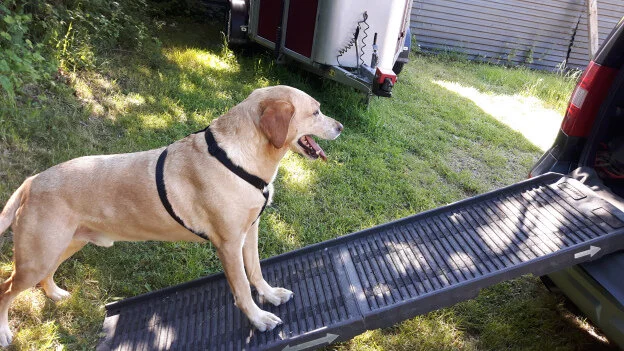
Teaching your dog to calmly go up and down a car ramp is so important. Invaluable for young dogs, elderly or frail dogs or those recovering from injury or surgery. Saves a lot of strain on your own back too if you are currently lifting them in and out of the boot!
Stair gates are really useful for preventing dogs running up and down stairs and providing a comfortable and supportive bed for them near to you to encourage them not to lay on the furniture. Small dogs can be lifted off the sofa or a ramp used for larger dogs.
3. Slippery Flooring :
Dogs falling and slipping on laminate or tiled floors can cause so many injuries and really make an older dog lose their confidence. Use non slip mats and rugs in the areas that the dog uses and also around their bedding and in particular food and water bowls. Dogs with arthritis or mobility problems are better eating and drinking from raised bowls and make sure they are on a non slip mat. They find lowering their head difficult so often splay their legs in order to reach, this can cause really nasty falls and make them nervous at feed times.

Raised bowls for water and food can be made cheaply by stacking bowls together until you reach the ideal height for your dog. Always place on a non slip surface.
4. Inappropriate Exercise:
Problems can occur when dogs exceed their fitness levels or are taken beyond their capability due to age or mobility.
Some dogs have to make do with a quick stroll round the block in the week but are taken out for hours at the weekend and become exhausted making them more susceptible to injury such as cruciate ligament strain or tears.
Puppies and young dogs should be exercised very carefully as their bones, joints and growth plates are prone to injury causing lifelong issues.
Senior dogs should not be forced to walk but allowed to go at a pace that they are comfortable with and which improves their mobility. It is so upsetting to see old dogs being made to walk beyond their comfort zone and it causes pain, crushes their spirit and is detrimental to their long term welfare.
Dogs that pull hard on the lead and lean right over to one side almost scrabbling along are heading for joint and muscular damage. Use a harness and teach your dog to walk calmly at heel or enlist the help of a reputable trainer or behaviourist . It will be money well spent and save a fortune in vets fees long term.
Adapting your dogs routine will ensure many years of injury free activity and ease of movement in their senior years. There are some good supplements available to help support joint pain and inflammation and used in conjunction with long term lifestyle changes they can be really beneficial. Although the use of supplements can be helpful, they have limited value unless they are used in conjunction with lifestyle changes and there has been an accurate diagnosis as to the source of the pain and mobility problem.
