Holistic Dog Care Consultation
A holistic approach is necessary in order to get the whole picture and cover any area that may be influencing the issues the dog is experiencing.

From pups to senior dogs, those with mobility issues or active working dogs or perhaps you want to explore a more natural diet or lifestyle for your dog?
A holistic dog care consultation provides an opportunity to look at your dog as an individual and consider the different aspects of their lifestyle that may influence their wellbeing.
I have worked in the canine and equine natural healthcare industry for 30 years and have a particular interest in canine wellbeing, nutrition, herbs and holistic approaches to caring for dogs.
What is a holistic dog care consultation?
Rather than looking at one aspect of your dog's care in isolation, a holistic approach considers the bigger picture.
Every dog is different, and factors such as diet, lifestyle, exercise, enrichment, environment, routine and emotional wellbeing can all form part of that picture.
During a consultation, we can discuss your dog's individual circumstances and explore practical, natural approaches that may complement the care you are already providing.
What can we discuss?
Depending on your dog's individual needs, a consultation might include areas such as:
Nutrition and feeding
Herbs and natural approaches to everyday wellbeing
Supporting an active and healthy lifestyle
Enrichment and mental stimulation
Exercise and daily routine
Creating a more supportive home environment
Seasonal care
General wellbeing
Understanding your dog's individual needs
The consultation is tailored to you and your dog, rather than following a standard checklist.
Diet. Is your dog thriving on their current diet, or would they benefit from a few changes?
Exercise. Is the exercise that your dog gets suitable for their age, fitness or mobility?
Holistic Lifestyle. This would include your dog’s daily routine & the things they find challenging.
Medication. If your dog is on medication, this may need to be taken into account, so as not to interfere with its effectiveness.
A holistic approach to your dog's wellbeing
Our dogs live very different lives from those of their ancestors. They share our homes, our routines and increasingly our busy lifestyles.
Sometimes small changes to the way we feed, exercise, enrich or interact with our dogs can make a meaningful difference to everyday wellbeing.
A holistic consultation gives you the opportunity to step back and look at the bigger picture.
It is not about trying to change everything at once. Often, a few simple and realistic changes are the best place to start.
My approach
I draw on my many years as a canine sports massage therapist, raw food and fresh feeding expert and my lifetime with dogs to help you and your dog.
I don't believe in a one size fits all approach. What works beautifully for one dog may not be appropriate for another, which is why understanding the individual dog is so important.
The aim is to give you practical information and ideas that you can incorporate into everyday life, at a pace that feels manageable for both you and your dog.
Would a holistic dog care consultation be useful for you?
If you would like to take a more holistic approach to your dog's everyday care but aren't sure where to begin, a consultation can provide an opportunity to discuss your concerns, ask questions and explore some practical options.
Sometimes it helps simply to have someone knowledgeable look at the bigger picture with you.
If you would like to discuss the problems you are experiencing with your dog, then a consultation with Caroline can help put you and your dog back on the right track.
Here is the link: https://www.hedgerowhounds.co.uk/products/p/consultation
A holistic consultation is not intended to replace veterinary care. If your dog is unwell, has persistent or concerning symptoms, or you are worried about a change in their health, veterinary advice should always be sought.
Caroline Hearn
MICHT. IIHHT. Dip.ICAT. ISCP.Dip.Canine Nutrition
Walking your Dog in Winter
A few top tips for safe Winter walking
Exercising our dogs in Winter can sometimes be a challenge, here are a few top tips to make life easier and safer for your dog.
A frosty start to the day will mean that your dogs muscles are cold from the fall in temperature and also a little stiff from resting all night so will need to gradually limber up before strenuous exercise.
It is really important to give between five and ten minutes lead walking and even more so for seniors and dogs that have had an injury in the past, before letting them off the lead to run. A warm, lengthened muscle is far more prepared for a faster pace and much less prone to injury.

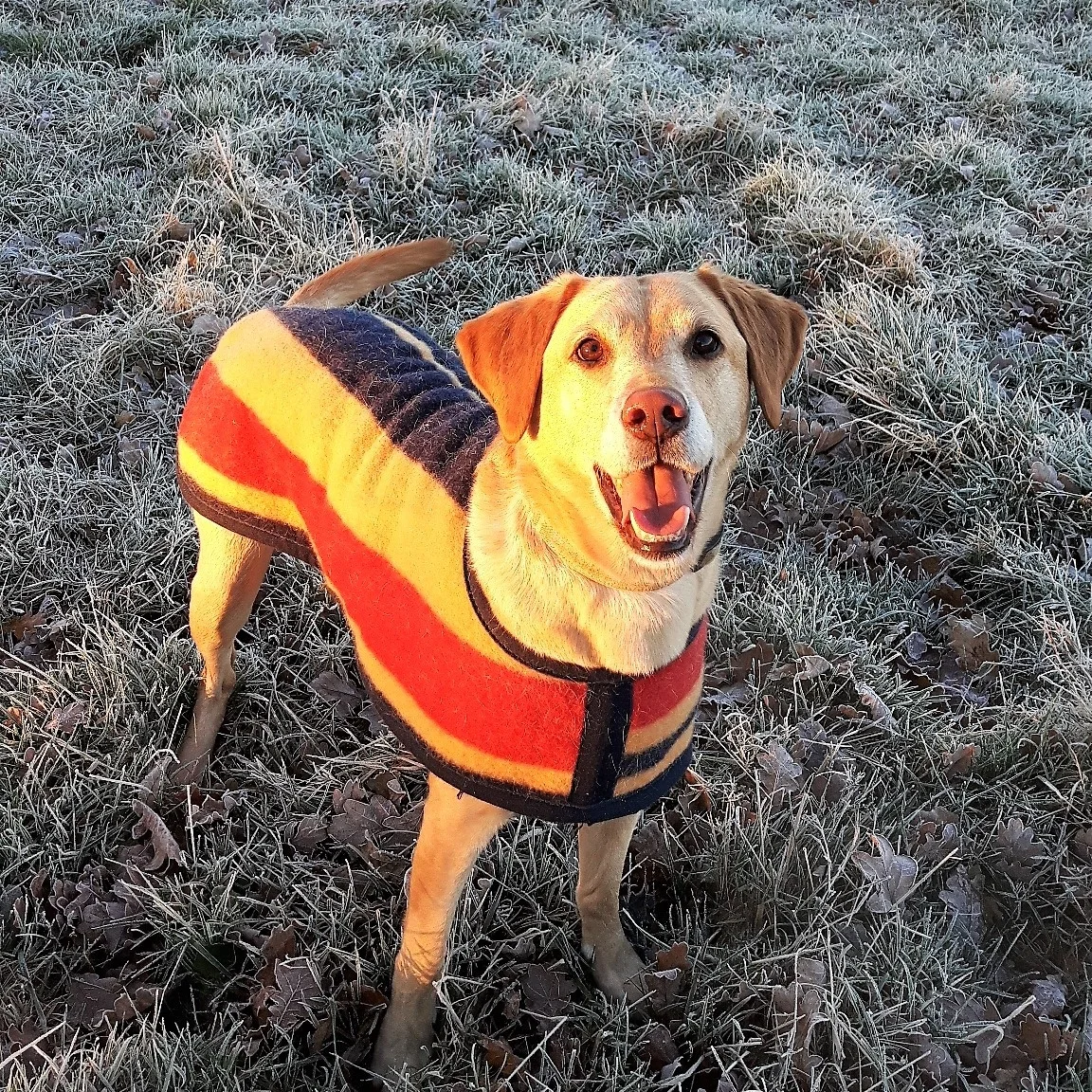
Old or arthritic dogs will benefit from a comfortable, warm coat to wear, this can always be removed if they start to get too warm once they have had a run around.
Be aware that the ground underfoot can change dramatically with a hard frost. The usual muddy track or gateway can become very treacherous and icy or any rutted ground frozen solid. This can cause damage to your dogs paws, joints and muscles should they run over it at speed. Also be careful when there has been snowfall and you are walking in an unfamiliar place as the snow can conceal many hidden dangers underneath. Snow can also bring out the hidden puppy even in the oldest of dogs so putting them on a long line can allow them some freedom to play without the danger of them overdoing it or injuring themselves.
If you have to walk on pavements and grit has either been laid down or spread across from the gritting lorry, then make sure you wash your dogs paws, legs and undercarriage off immediately with luke warm water on returning home, followed by towel drying as they are less likely to lick their legs if they are dry. When the pads are dry a paw balm can be rubbed in to avoid the pads cracking or becoming sore.
Here are 2 natural products that I wouldn’t be without at any time of the year but are particularly useful in Winter. All can be found on the shop.
https://www.hedgerowhounds.co.uk/products/green-clay
https://www.hedgerowhounds.co.uk/products/adore-the-paw-balm
If you walk your dog in the late afternoon or evening then remember to wear some sort of reflective clothing and also something on your dogs collar or harness. There are discs and collars that contain a battery and can be illuminated at the touch of a button. These are useful if you intend to let your dog off the lead, as you can see where the dog is at all times or if you mistime your walk and suddenly find you are walking back in fading light.
Be extremely vigilant of the dangers of anti-freeze, which can either be spilled or sometimes end up in puddles from a passing vehicle. If you are walking in an area where this could be a possibility then keep the dog on a lead and make sure you have a bottle of water and a travel bowl with you for longer walks to avoid the temptation of them drinking from puddles. If you see your dog lick anti-freeze then they need to be taken to the vet immediately as it is extremely poisonous.
If older or arthritic dogs suddenly stop wanting to go out for walks once the weather turns colder then it could well be that they are uncomfortable somewhere in their body and possibly have joint pain which is made worse by the cold, damp weather. Speak to your vet about any medication they are on and also look into feeding a quality joint supplement to help them feel more comfortable. They may only require a very short walk or just a wander around the garden if the weather turns very cold and miserable.
Snuffle mats, Licki mats and interactive toys are fantastic for less mobile dogs and encourage them up out of their beds and to gently move around, easing stiff joints and muscles.
A blog about using Snuffle Mats is here: https://www.hedgerowhounds.co.uk/blog/snufflmats-and-balls
Other blogs which covers injury prevention and managing senior dogs can be found here: https://www.hedgerowhounds.co.uk/news/repetitive-strain-injuries-in-dogs
https://www.hedgerowhounds.co.uk/news/holistic-care-of-senior-dogs
Caroline Hearn MICHT. Dip ICAT. MIAAT
Human, Canine & Equine Sports & Holistic Therapist
www.hedgerowhounds.co.uk
Winter Bone Broth
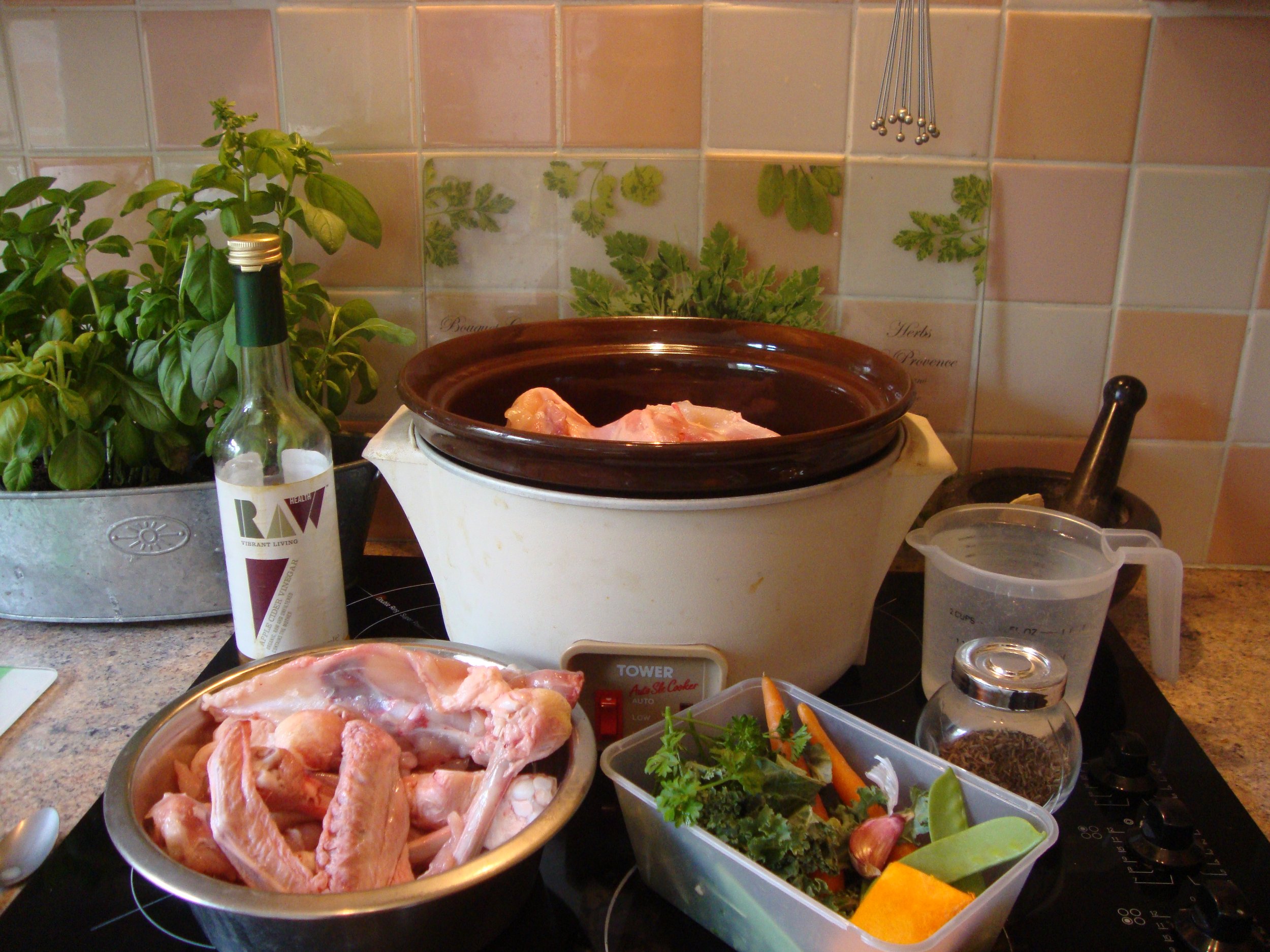
As we approach the coldest months of the year we turn to foods which offer comfort and warmth.
We can also provide our dogs with a seasonal variation on the usual bone broth recipe by adding ingredients which are traditionally used to support joint health and immunity.
As game is currently in season, try and find bones from venison, duck, pheasant or partridge. Duck and chicken feet are a good source of glucosamine, chondroitin and gelatine and after many hours of cooking will dissolve into the broth.
Avoid bones with a large amount of fat, skin and central marrow, which will just produce a very fatty and oily broth. Either remove the fat and marrow or chose a different type of bone. If your dog is prone to pancreatitis it is very important to select lean bones, remove any visible fat before cooking and skim off any that comes to the surface during cooking.
You will need approximately 4 - 5 pounds of bones of varying types and size to make a good broth. Some bones, such as ribs will completely break down into the broth, whereas harder bones will be lifted out in large pieces.
You will need:
A slow cooker or large stock pot with a lid
Bones such as duck, venison, pheasant, partridge, chicken, turkey, ox tail, beef, lamb ribs etc.
Enough water to just cover the bones when they are placed in the cooking pot.
1 stick of celery roughly chopped
Cider apple vinegar - 2 tablespoons
Ginger – 1 thumbnail size piece of fresh or half a teaspoon of powered
Turmeric 1 teaspoon (fresh or dried)
Cinnamon - quarter of a teaspoon
Shiitake mushrooms- quarter of a cup (dried or fresh)
1 level tablespoon Autumn Harvest herbal blend
2 grinds of black pepper
How to make:
Place your chosen bones into the pot and pour on the water so they are just covered. Add the cider apple vinegar and black pepper. The slow cooker is used on its lowest setting or a stock pot placed over a very low heat for anywhere between 24 – 30 hours, although some people prefer to leave the broth cooking gently for nearer to 36 hours .You may need to top up with water if the levels are getting very low.
In the remaining 2 hours of cooking add the spices, mushrooms and vegetables.
When complete, turn off the heat and carefully remove the bones with a slotted spoon plus skim off any excess fat that may be on the surface.
As the resulting broth starts to cool, transfer into ice cube trays or suitable sized pots to place in the fridge or freezer for later use. If you want your broth as a set jelly then you could stir in a level tablespoon of gelatine powder.
Store in the fridge and use within 1 week or keep in the freezer and use within 4 months.
Add the defrosted broth to meals, any recipes you make or gently warm through to provide a warm, comforting treat on a very chilly day.
**It is essential to remove the bones and dispose of them safely and under no circumstances should they be fed **

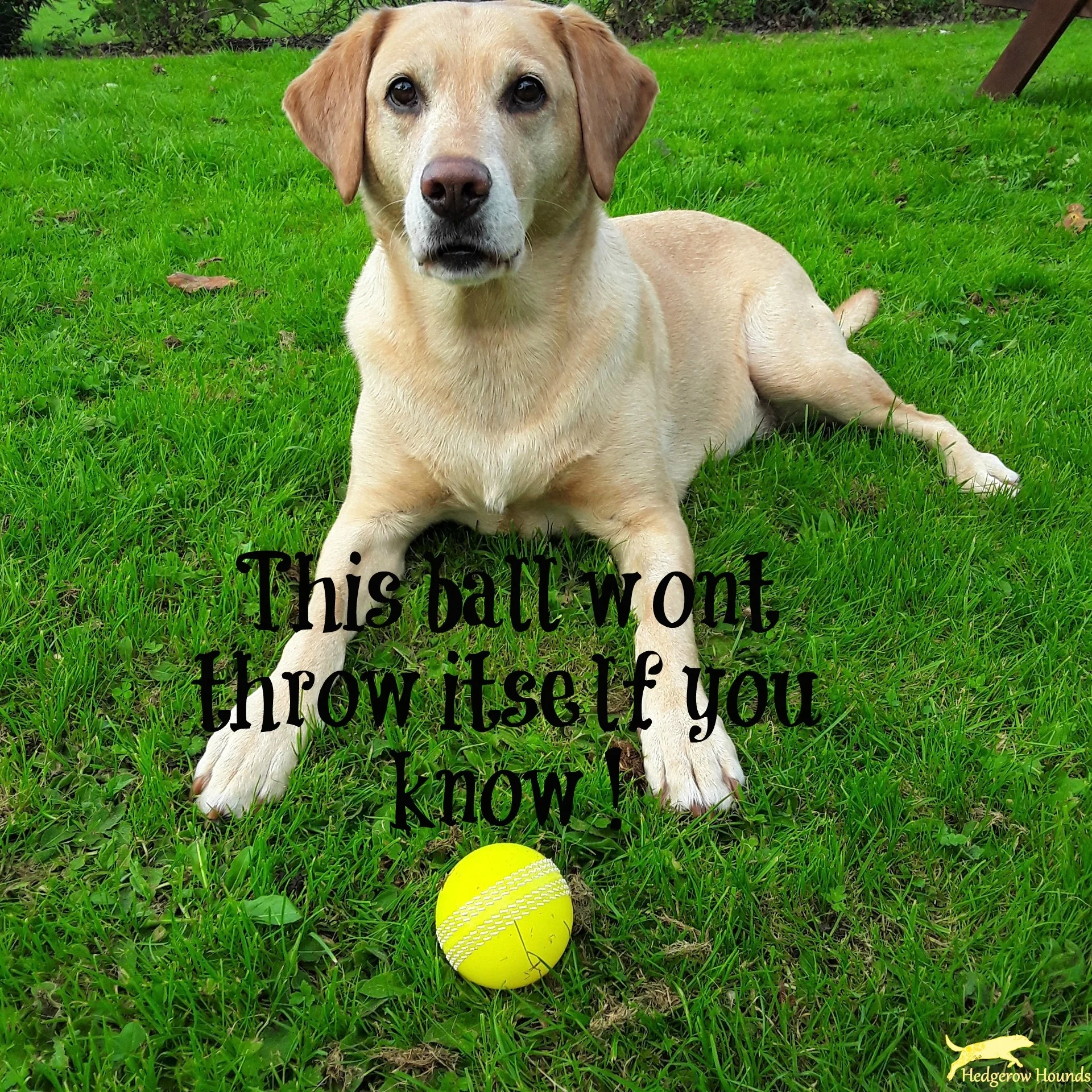
LAMENESS AND REPETITIVE STRAIN IN DOGS
While supplements can be a big help in supporting joint health and controlling inflammation they will be of limited benefit unless there are positive exercise & lifestyle changes.
Caroline Hearn MICHT. MIAAT. Dip.ICAT Dip MLD Dip. Myofascial Release.
Human, Equine & Canine Sports & Holistic Therapist
As a canine massage therapist I see many dogs with injuries and lameness caused by repetitive strain, which can easily be avoided or kept to a minimum with some lifestyle changes. The main causes seem to crop up time and time again so here are the most common factors and ways to avoid injury to your dog.
Ball and Frisbee throwing:
Constant chasing after a ball or combined with leaping in the air to catch a frisbee is probably one of the main causes of injuries, lameness and strain that I see. The action of a burst of energy followed by a sudden stop, a skid then a rapid turn will put huge strain on the dogs shoulders, forelegs, neck, pelvis and spine.
Like us, dogs will favour one side of their body so will always prefer to turn in the same direction causing over use of muscles and joints. This repetitive action is very unnatural for a dog and if left to chase and hunt in the wild they would never continuously sprint with a sudden halt afterwards.
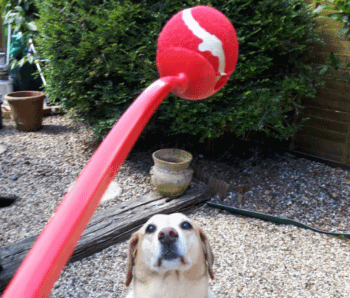
Also ball throwing for some dogs can mean they are on a constant adrenaline high so causing emotional as well as physical stress. This sort of exercise can cause micro trauma often not shown by the dog at the time of chasing as the sheer thrill they get can often mask any discomfort. But with time the dog will compensate for the discomfort elsewhere in their body and become lame. Instead, encourage hunting for a hidden ball or a treat in some undergrowth and reward with either giving the dog the ball to carry or a single retrieve of a ball placed ahead. Keep it to an absolute minimum and find other ways to interact with your dog . Always warm your dogs muscles up with at least 5 minutes on the lead before letting them off to run at speed.
2. Jumping out of cars, off furniture and down stairs:
All these activities put a lot of strain on your dogs shoulders and forelegs. The added problem with jumping out of the boot of cars is that your dogs muscles will be cold and it is often from a great height onto a hard surface, usually followed by immediately running off to start a walk. Teaching your dog to use a ramp will save so much strain on their body. Read our blog https://www.hedgerowhounds.co.uk/news/teaching-your-dog-to-use-a-car-ramp for more advice
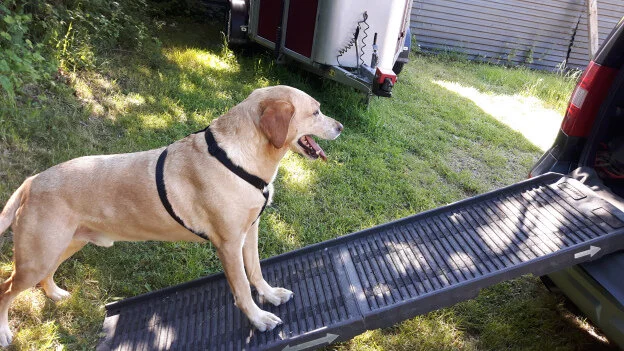
Teaching your dog to calmly go up and down a car ramp is so important. Invaluable for young dogs, elderly or frail dogs or those recovering from injury or surgery. Saves a lot of strain on your own back too if you are currently lifting them in and out of the boot!
Stair gates are really useful for preventing dogs running up and down stairs and providing a comfortable and supportive bed for them near to you to encourage them not to lay on the furniture. Small dogs can be lifted off the sofa or a ramp used for larger dogs.
3. Slippery Flooring :
Dogs falling and slipping on laminate or tiled floors can cause so many injuries and really make an older dog lose their confidence. Use non slip mats and rugs in the areas that the dog uses and also around their bedding and in particular food and water bowls. Dogs with arthritis or mobility problems are better eating and drinking from raised bowls and make sure they are on a non slip mat. They find lowering their head difficult so often splay their legs in order to reach, this can cause really nasty falls and make them nervous at feed times.

Raised bowls for water and food can be made cheaply by stacking bowls together until you reach the ideal height for your dog. Always place on a non slip surface.
4. Inappropriate Exercise:
Problems can occur when dogs exceed their fitness levels or are taken beyond their capability due to age or mobility.
Some dogs have to make do with a quick stroll round the block in the week but are taken out for hours at the weekend and become exhausted making them more susceptible to injury such as cruciate ligament strain or tears.
Puppies and young dogs should be exercised very carefully as their bones, joints and growth plates are prone to injury causing lifelong issues.
Senior dogs should not be forced to walk but allowed to go at a pace that they are comfortable with and which improves their mobility. It is so upsetting to see old dogs being made to walk beyond their comfort zone and it causes pain, crushes their spirit and is detrimental to their long term welfare.
Dogs that pull hard on the lead and lean right over to one side almost scrabbling along are heading for joint and muscular damage. Use a harness and teach your dog to walk calmly at heel or enlist the help of a reputable trainer or behaviourist . It will be money well spent and save a fortune in vets fees long term.
Adapting your dogs routine will ensure many years of injury free activity and ease of movement in their senior years. There are some good supplements available to help support joint pain and inflammation and used in conjunction with long term lifestyle changes they can be really beneficial. Although the use of supplements can be helpful, they have limited value unless they are used in conjunction with lifestyle changes and there has been an accurate diagnosis as to the source of the pain and mobility problem.

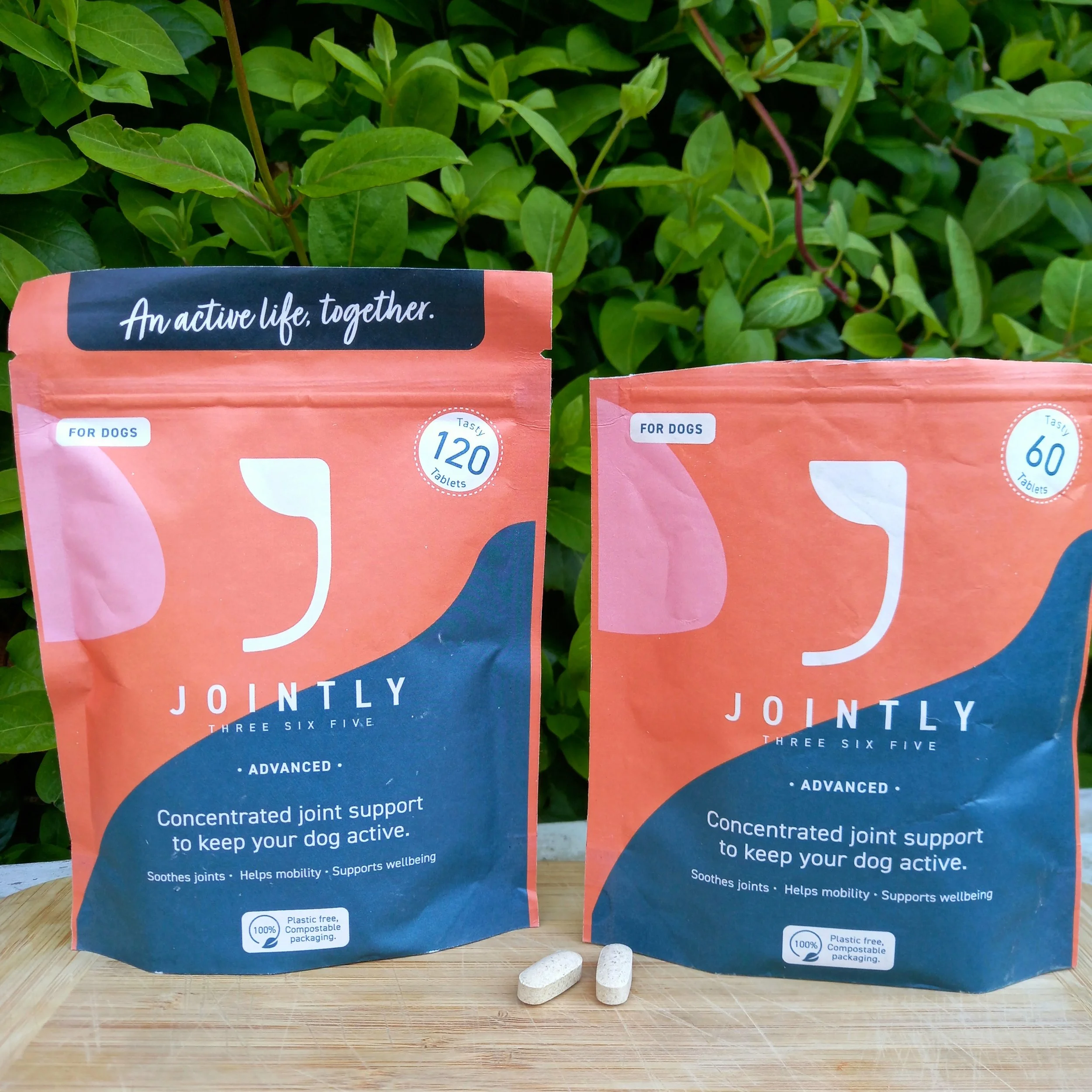
Joint Supplements for Dogs
Choosing a Joint supplement for our dog can be overwhelming. Andrew the founder of Jointly365, explains why researching the ingredients of a product is so important and ensures your dog gets the best joint support possible.
Here we consider the following:
What ingredients and why?
What to look for when choosing a joint supplement?
Introduction
We all know that as dogs progress from middle to old age they tend to decrease their levels of activity to some degree. This can be due to many reasons, but ageing and stiff joints are one of the most commonly seen.
Stiff joints are caused by the degeneration of the normal joint structure which leads to the aches and pains that become worse as they get older – which some of us may have experienced ourselves…..
There are many approaches we can take to this progressive condition - such as exercise and weight management, complementary therapies, or prescription medication - and though they will not be discussed here today, it is important to remember a holistic and multi-pronged approach to stiff joints is always the best way forward.
Today we will be discussing joint supplements - one of the most commonly used methods to help dogs with stiff joints.
But with so many out there to choose from, how do you choose one that is best for your dog?
My simple approach to this is there are only two things you can do with a supplement: soothe the stiff joints themselves, and provide the necessary structural ingredients that a joint requires to function as well as it can.
If you can successfully achieve both, you are on the right track. Only achieving one or the other, is a sub-optimal and unnecessary situation.
The provision of structural ingredients is a more simple topic, and will be looked at shortly, but soothing joints and working with the bodies own natural anti-inflammatory system is a more complex area.
One of the most studied and effective methods of achieving soothing joints is by using marine sourced omega 3 oils. These are a type of essential fatty acid – EFA (that has to be eaten as it can’t be made by the body – hence ‘essential’), which moderate the bodies inflammatory response, so helping aching joints. These are hard to provide at high levels in normal food due to rancidity problems during storage.
Even though only a few EFAs such as EPA or DHA are ever discussed, there are dozens of them that contribute to the overall effect in different ways. So the quality and balance of those is critical in achieving the results we want. Some fish oils and mussel powders are of poor quality for what we are trying to do in a joint supplement. And this is where the big issue lies for choosing products – it is hard to know which is which.
Those who are more sure of their product will have conducted a clinical trial and published it, so owners and vets can scrutinise the methodology and results. And you should be looking for high levels of cold water marine sourced Omega 3’s – enough to carry a regulated claim that it can “XYZ”.
The second part of the equation is providing all the structural elements the joint requires, which is critical as this is a long term condition. Depending on the food that you feed your dog, these will be supplied in higher or lower quantities, but rarely to the levels that are provided by a quality supplement.
You should be looking for ingredients that will help the production of the cartilage and joint fluid such as glucosamine, N-Acetyl glucosamine (a special type of glucosamine that is utilised more readily by the body) and hyaluronic acid, that will all help the joint function to the best of its ability.
Additionally, we can help remove free radicals, which speed up the degradation of the joint. High levels of antioxidants such as vitamin E and C are what to look for here.
So if you are using a joint supplement now, remember the condition progresses and you may be able to help your dog more by changing to a more concentrated alternative.
With this in mind, if you feel the supplement you are currently using may not be giving the best response to what is a progressive condition, or just want to start with the better alternatives out there, consider trialling one that contains the ingredients mentioned previously.
And finally, there is also the cost element of the supplement – both financially and environmentally. Generally speaking buying one from your local veterinary practice will be more expensive than elsewhere, due to the profit margins vets operate on, though you will most likely be able to get extra advice at the same time.
And nowadays you don’t need to settle for using blister packs that aren’t recycled or even plastic pots anymore, when there are technically brilliant plastic free packaging materials around. No-one want s to use more plastic than we need to, and with around 12 million dogs in the UK now, we all need to do our bit to help the environment we love to get out into with our dogs.
However using a trusted supplier with a clinical study, the regulatory claim on the pack, who is also able to give advice, usually provides the most value.
Jointly365 has been developed by Andrew Little BVetMed. Andrew worked in practice for many years before gaining 15 years of product development experience in major animal health companies, including with market leading joint supplements products in UK and abroad. He has combined this experience to focus on dog joints, producing a natural, sustainable, plastic free joint supplement, with both soothing and structural ingredients carefully chosen and tailored to provide the very best for your dog - that is roughly half the price of veterinary alternatives to ensure as many owners as possible can access quality care for their dogs.
www.jointly365.com

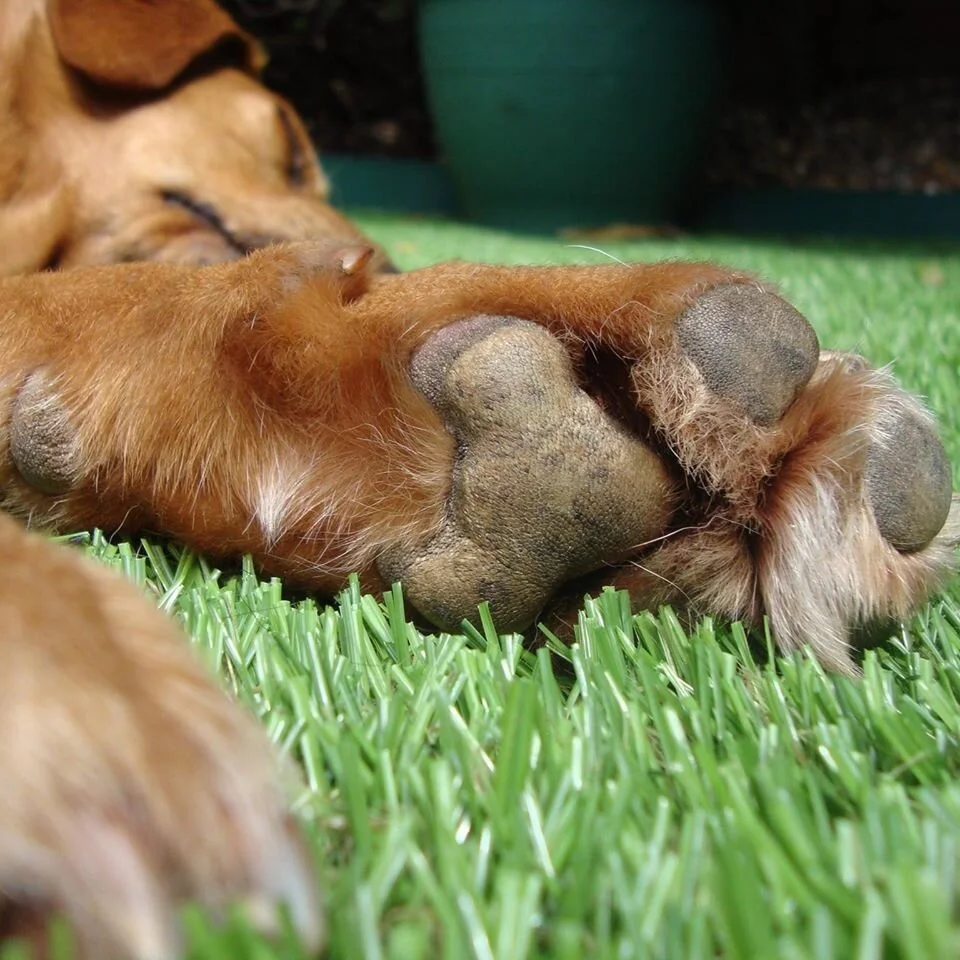
The Importance of Nail & Paw Care in Dogs
Keeping your dogs nails trimmed is important for their wellbeing and an essential when managing mobility problems.
Caroline Hearn - MICHT. Dip. ICAT, Canine & Equine Sports & Holistic Therapist
Over long nails are not only prone to getting caught and torn but there are a number of very important reasons why it is wise to keep your dogs claws fairly short.
Claws which are too long can cause pain in the toes and put additional strain on the tendons and joints. The weight is distributed backwards and causes the pad to flatten so lessening the shock absorbing properties of the pads.
After time the dogs movement is compromised and this can add strain to the shoulder and elbow joints. In normal movement as the paw hits the ground and the metacarpal or palmar pad which is the largest pad touches the ground first, then the weight is rolled forward onto the digital pads of the toes as the foot prepares to leave the ground again. This should be an easy and smooth process causing no strain, but if the dog has over long claws it is usually these that hit the ground first causing discomfort and strain higher up the leg which will eventually cause compensatory movement.
So what can be done about trimming over long claws ?
As the claws grow down so does the sensitive quick contained within so it is something that will take some time to correct. The good news is that if a very small amount of nail is cut or filed away every few days then the quick will have time to recede so you can then start the process of shortening the nails safely.

If you are confident with the clippers and your dog allows you to do it, then take a small amount off maybe once a week either with clippers or a file. Obviously dogs with white nails are easier as you can often see the quick as a guide. With black nails always err on the cautious side and do little and often.
Include the dew claws, which are often forgotten as they are tucked away on the inside of the leg and sometimes hidden by the coat. These claws grow quickly as they are not in contact with the ground and can often curl round and dig into the skin if they are not regularly trimmed. Dew claws are an essential stability aid for active dogs and assist in stabilising the lower limb and while turning at speed.
If you are nervous of cutting the nails or your dog is very difficult then ask if the veterinary nurse can help. Once you are on top of it then you can maintain the length yourself with nail trimmers or the battery powdered nail grinder which is made specifically for gradually shortening dogs claws.
Walking on pavements a couple of times a week should help keep the nails short but also it strengthens the pads, ligaments and tendons within the foot.
It is also important to trim excess long hair from underneath the pads as this hair will cause slipping on flooring and also mat up and form into knocks or clumps of hair, making standing and walking uncomfortable.
Products
There are a number of products which can help keep the pads, paws and nails in excellent condition.
Adore the Paw - Healing and Paw Balm https://www.hedgerowhounds.co.uk/products/adore-the-paw
Green Clay https://www.hedgerowhounds.co.uk/products/green-clay
Leucillin https://www.hedgerowhounds.co.uk/products/leucillin-antiseptic-spray

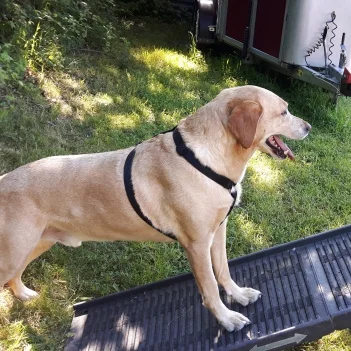
Teaching Your Dog to Use a Car Ramp.
Jumping out of the boot of cars puts huge strain on the dogs shoulders and forelimb joints. Getting dogs used to using a ramp when they are young is far easier than teaching an elderly dog or one that is recovering from an injury or operation.

Teaching your dog to calmly use a ramp to get in and out of the car is time well spent.
Sooner or later owners of medium or large dogs that cannot be lifted in and out of the car will need some assistance due to old age, injury, recovery after surgery or mobility problems.
Jumping out of the boot of cars, even for fit healthy dogs puts a huge strain on their shoulders and forelimb joints, so it is a good idea to get dogs used to using a ramp early on before they are actually needed. For dogs that have to regularly jump out of a high vehicle such as a 4×4 a ramp can save a lot of wear and tear to joints and prevent future injury . This is as important for young dogs with fragile, growing joints as it is for seniors with signs of arthritis. As the saying goes “an ounce of prevention is worth a pound of cure”
Where many people encounter problems is when the dog, that has never been introduced to a ramp before is suddenly presented with it at a step angle propped up against a car bumper. Then either the dog rushes and tries to jump it or flatly refuses to go up it, they will also often launch themselves out of the car rather than calmly come down the ramp. This is particularly unhelpful if you dog is recovering from an injury or operation.
To get your dog calmly and confidentiality using a ramp it is best to go back to basics and get them to walk along the ramp while it is flat on the ground and even asking for sit half way across it. Then slightly incline one end by propping up on a step to give them the sensation of transferring weight onto their rear quarters and walking up an incline.
Whatever you use must create a firm base that does not move and wobble around when your dog walks on it.
At this point add an audible cue such as “step” as soon as the dog is about to place a paw on the ramp. For dogs that have limited or no vision this is invaluable as you can say the word all the way up and down the ramp and stop the second they reach the top or the bottom which gives them an idea of where they are and a feeling of safety. After a while they get to know how many steps it takes to get to the end.
Treats can be a great help by either sprinkling a few along the ramp or have someone at the other end of the ramp to offer encouragement and a very tasty treat as a reward.
With dogs that rush at the ramp or elderly dogs that have limited body strength I have found a harness really helpful to steady them and give a feeling of safety. One hand on the harness and the other cradling their bottom can help no end. With regards to the surface of the ramp, make sure it is sturdy and non slip with a defined raised edge.
Once the dog is totally comfortable going up and down the ramp on a flat surface followed by raising one end, progress to placing it on the bumper of the car. Use you chosen cue word as the dog approaches the ramp and encourage them to calmly climb, tapping the ramp lightly with your fingers at first can sometimes help as can a treat placed at the end of their nose to guide them into the car.
A dog that waits as the boot is open is also going to make life easier for unloading them safely down the ramp so maybe some work is required with the wait command for the best results.
If the ramp is introduced carefully then should a time come when it is regularly needed it will be hassle free and such a help to your dog and also save any strain on your back if you have been attempting to lift them in and out of the car.
Caroline Hearn - Sports & Holistic Therapist MICHT. Dip.ICAT. MIAAT
www.hedgerowhounds.co.uk