Which herbs are suitable for a dog friendly garden?
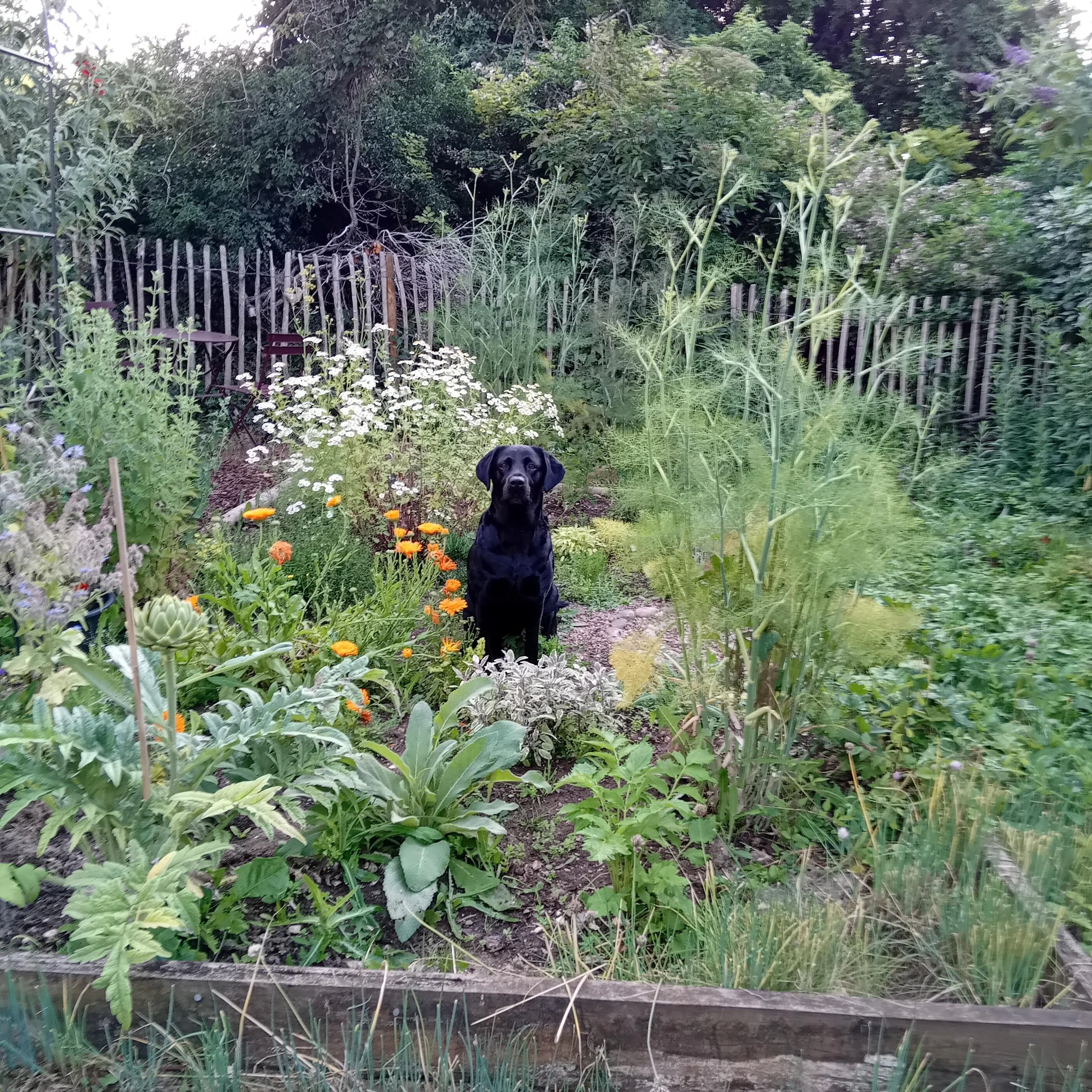
Would you love to create a dog friendly enriching outdoor space for your dog? This blog will explore which dog friendly herbs you can grow either in a herb garden or in pots.
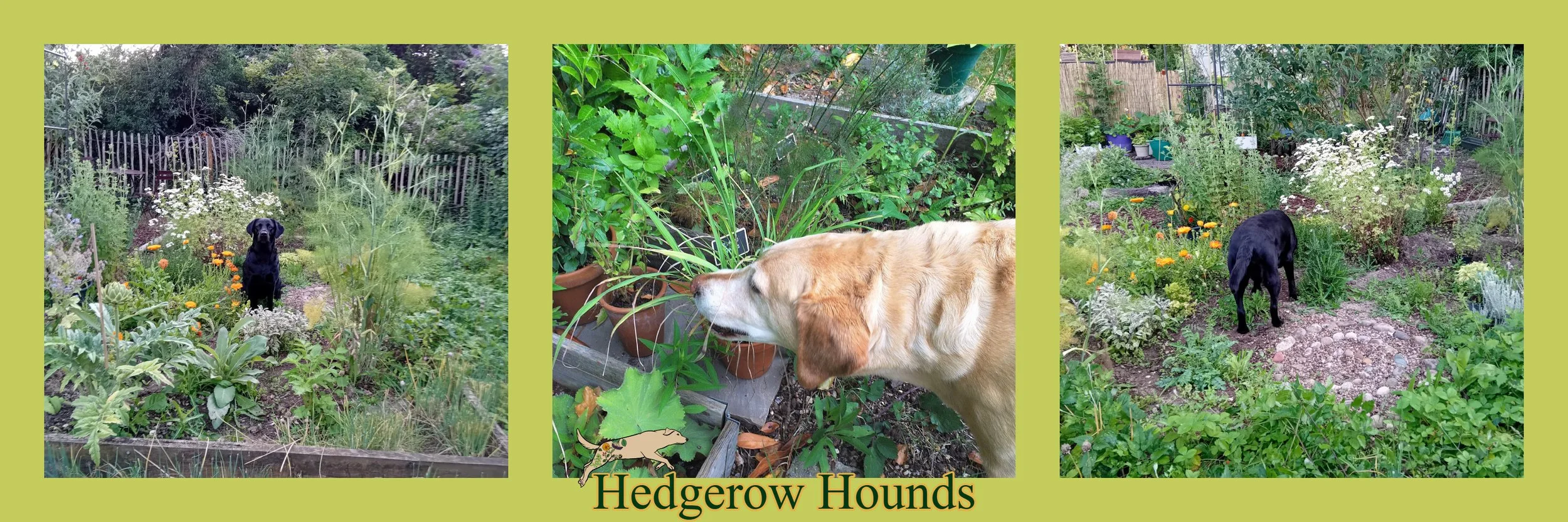
Making the most of your outdoor space and creating a sensory area to enrich the life of your dog.
If you want to learn more about planting a herb garden which will be safe for your dog to explore, sniff, wander through, walk over or even possibly nibble on then here are a few great herbs to get you started. These can be grown in the ground, troughs or pots.
These are some of my favourites:
Barley grass (Hordeum vulgare )
Barley grass is easy to grow in pots, and your dog may well eat the fresh shoots as they appear. It can be quickly grown from seed, and you will find it at most garden centres. It is often called “cat grass”. I usually rotate the grass I grow with wheatgrass, oat grass and lemongrass.
Calendula (Calendula officinalis)
Calendula, also known as pot marigold, is a hardy annual, with the most glorious orange daisy-like flowers that last well into the autumn months. Not to be confused with the summer bedding plant Tagetes, it makes a very effective balm or cream to ease and soothe many skin complaints. Regularly deadhead after flowering to prolong the flowering season.
Catmint (Nepeta cataria)
Nepeta is a hardy perennial with highly aromatic foliage and pretty mauve flowers. It is a huge hit with cats who will often nibble on the leaves and roll on the plant. Catmint is a good choice to plant as edging and looks beautiful spilling out onto a pathway.
Chamomile
Chamomile is a delicate and aromatic herb traditionally used for calming the digestion and nervous system. It can easily be grown in pots or planted into the soil. It will release a beautiful calming scent when your dog sniffs or walks through its leaves and flowers.
Fennel (Foeniculum vulgare)
Fennel is a fabulous herb. The vibrant green and bronze varieties are great if you want to create some height in your herb garden and perhaps disguise an unsightly fence. Fennel grows between 3-5 feet in height and forms long feathery plumes followed by umbels of yellow flowers in the summer and autumn. Every part of this herb smells and tastes of aniseed. It is a nice one for your dog to brush by or walk between if you plant two side by side.
I will often pick some and finely chop it before adding a sprinkle into my dog’s food. You can harvest and dry the seeds at the end of summer for winter use.
Lavender (Lavandula angustifolia)
There are so many varieties of lavender to choose from; the smaller English lavender has a very good aroma, while the flamboyant French lavender with the cute “rabbit ears” petals popping out of the top is very lovely too. There isn’t much difference in terms of scent between them all, so pick whichever variety makes you happy.
Lavender has so much to offer in the enrichment garden as it is evergreen, very fragrant, has a calming aroma, and is beautiful while being a huge hit with pollinators.
Lemon Balm (Melissa officinalis)
Lemon balm has a citrus taste and smell and is traditionally used for calming the mind and gut. Like its cousin, mint, it is very invasive, so ideally needs to be contained in a pot, or it will spread everywhere.
Lemon grass (Cymbopogan citratus)
You can grow lemon grass in pots for the summer, but it is unlikely to survive winter, so you will need to bring it inside. I have known a couple of my dogs to eat the young shoots of lemon grass, which are more tender and have a stronger citrus taste than the older leaves, which can become tough and fibrous as the plant ages.
I usually have wheat grass, oat grass and lemon grass together in pots, should the dogs want to help themselves to the moist shoots.
Mint (Mentha piperita)
There are so many species of mint to choose from, so go with the one you like, but don’t be tempted to plant it directly in the soil, as it will soon invade your entire herb bed. Instead, plant it in a large pot or trough and pick regularly to stop it from becoming tall and leggy.
Marjoram (Origanum marjorana)
Marjoram is such a great but underrated herb. It has a fantastic, strong aroma with pretty leaves, and the variegated variety is particularly nice. It has a dense growing habit and grows fairly low to the ground, a maximum of 50cm tall, which makes it robust enough to withstand paws walking over the top of it.
Parsley (Petroselinium crispum)
Parsley is a must-have in the garden as it’s so versatile. There are flat leaf and curly leaf to choose from, and the flavour is very similar, so stick to the one you prefer. I will often go into the garden and pick parsley, finely chop it and add it to the dog’s meals.
Rosemary (Rosmarius offininalis)
What a joy Rosemary is, with an aroma that cannot fail to lift the spirits. Can you walk past a rosemary bush without running your hands through the leaves and inhaling the scent? I certainly can’t!
It is evergreen, hardy, and has beautiful flowers that pollinators adore. In recent studies, rosemary has also been shown to improve memory. It will grow happily in a large pot or planted in well-drained soil, and there is also a trailing rosemary if you want to use it more as a ground cover plant.
Sage (Salvia officinalis)
Sage is another must-have for the garden. The leaves are soft but also somewhat leathery to the touch, which makes them tough enough to withstand a dog walking over them and survive to tell the tale. There are varieties with blue-green, dark purple, and variegated leaves, adding a bit of colour throughout the autumn and winter months as well. It has a wonderful pungent smell and strong flavour.
Thyme (Thymus vulgaris)
Thyme is a hardy perennial that loves the sun and is tough as old boots. It is another one which only grows to around 60cm in height and provides good ground cover. There are many varieties on sale, and the lemon and orange thymes have a fantastic smell and taste, with the golden thyme adding a splash of colour. Thyme is also another herb that is robust enough to survive dogs walking through it.
Want to learn more?
To learn more about which herbs to plant in your dog friendly garden and enrichment space then my book Canine Enrichment Garden will guide you on how to make a fantastic space for your dog to enrich all their senses.
Or there are paperbacks on the shop to buy. https://www.hedgerowhounds.co.uk/products/canine-enrichment-herb-garden-book
If you prefer an eBook then pop over to Amazon The book is available on Amazon as an e-Book or paperback on the link below: Here is the link https://www.amazon.co.uk/dp/B0FHKYK5T9
Another blog all about the book is here to explore further: https://www.hedgerowhounds.co.uk/blog/canine-enrichment-herb-garden
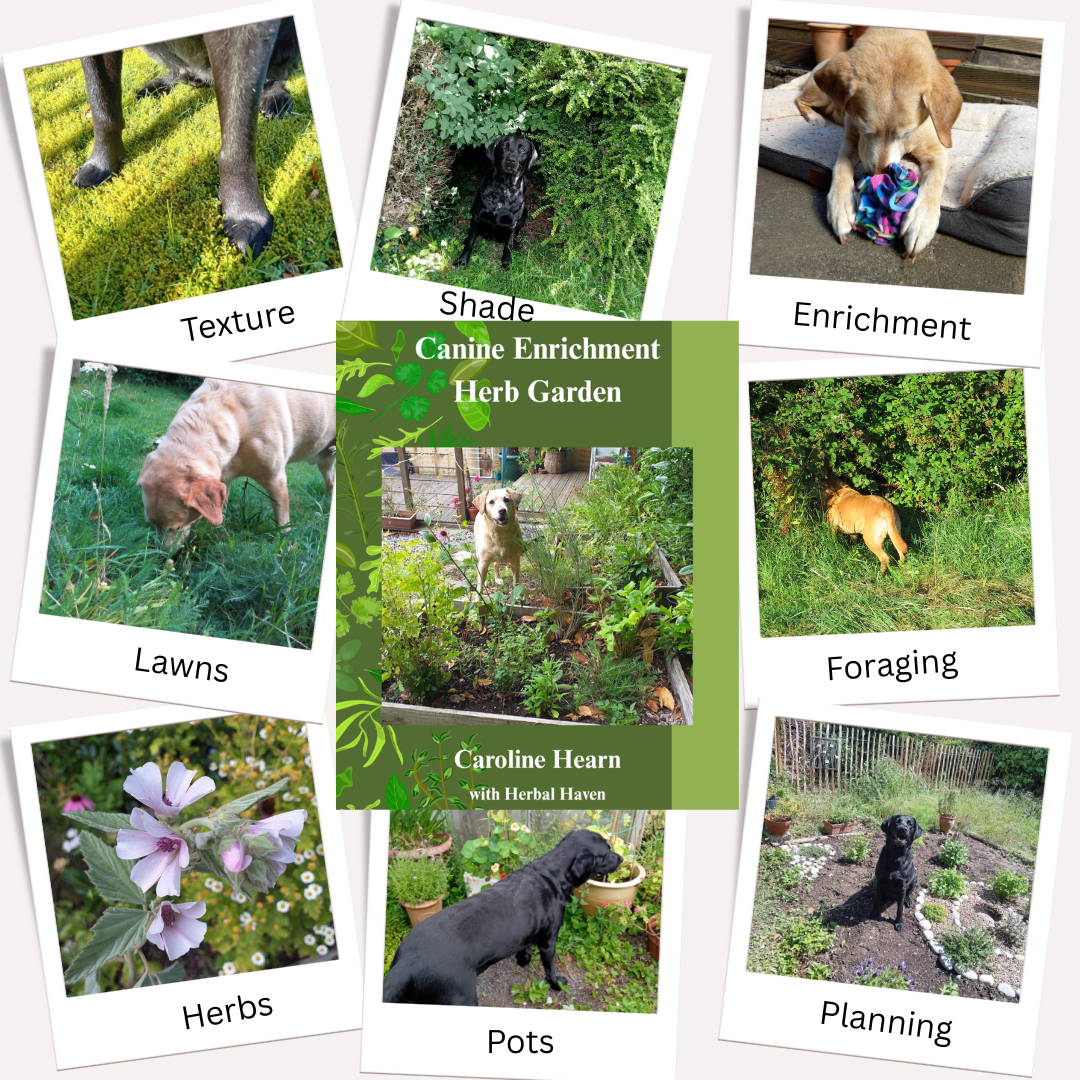
Some of the topics covered within the book.
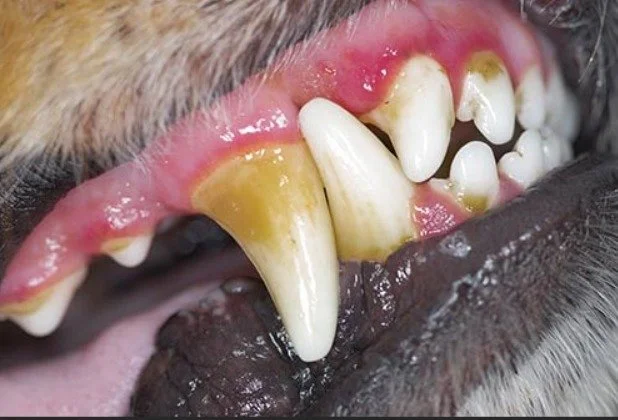
Your Dogs Dental Health
Keeping your dogs’ teeth clean and in good health is so important for their overall health and long-term wellbeing.

Keeping your dogs’ teeth clean and in good health is so important for their overall health and long-term wellbeing.
What is the difference between Plaque & Tartar? Plaque is a build-up of saliva, food, and bacteria that forms on the teeth, eventually turning into a brown hard substance, known as tartar. Tartar causes damage to the teeth and gums and can lead to gingivitis. The resulting bacteria can enter the bloodstream and damage the kidneys, liver, and heart.
Health dangers of a build-up of plaque, tartare, and gum disease. The bacteria that`s formed in an unhealthy mouth can travel via the bloodstream to the heart and circulatory system. This bacteria can cause heart and bowel disease and affect the immune system. There is also the added risk and expense of dogs having to receive a general anaesthetic for teeth cleaning, which is something we want to avoid if possible, particularly when caring for elderly dogs or those with other underlying health complications.
The Dental Hygiene blend has been made to improve oral health, loosen hardened tartar, prevent or greatly slow down the build-up of tartar and plaque, and assist in the maintenance of teeth and gums which is particularly useful in elderly dogs, that perhaps can no longer have a general anaesthetic.
The link to buy Hedgerow Hounds Dental Hygiene Blend is https://www.hedgerowhounds.co.uk/products/dental-hygiene
There is also a blog all about dental hygiene blend here https://www.hedgerowhounds.co.uk/news/dental-hygiene-formula
Other ways to speed up tartar removal and prevent further build-up.
Feeding abrasive size-appropriate recreational raw bones and natural chews.
Toothbrushing or cleaning with a lint cloth
Signs of tooth pain, gum disease, or mouth infection:
Eating less, hesitancy to eat, favouring soft food over hard, dropping food and much slower eating than normal.
Bad breath, red swollen gums, discoloured teeth.
Inability or reluctance to open their mouth.
Blood on gums, bedding, or toys.
Scratching at their face or swelling and heat along the tooth line.
70% of dogs over 3 years of age have some form of dental disease. Small breeds such as toy Poodles, Cavalier King Charles, Schnauzers, and the Brachycephalic breeds are particularly prone and in larger breeds, the Greyhound is predisposed to tooth and gum disease.
Hedgerow Hounds makes veterinary-formulated supplements for dogs. The company was founded and is owned by a qualified holistic canine therapist with 30 years of experience in holistic dog care and nutrition.
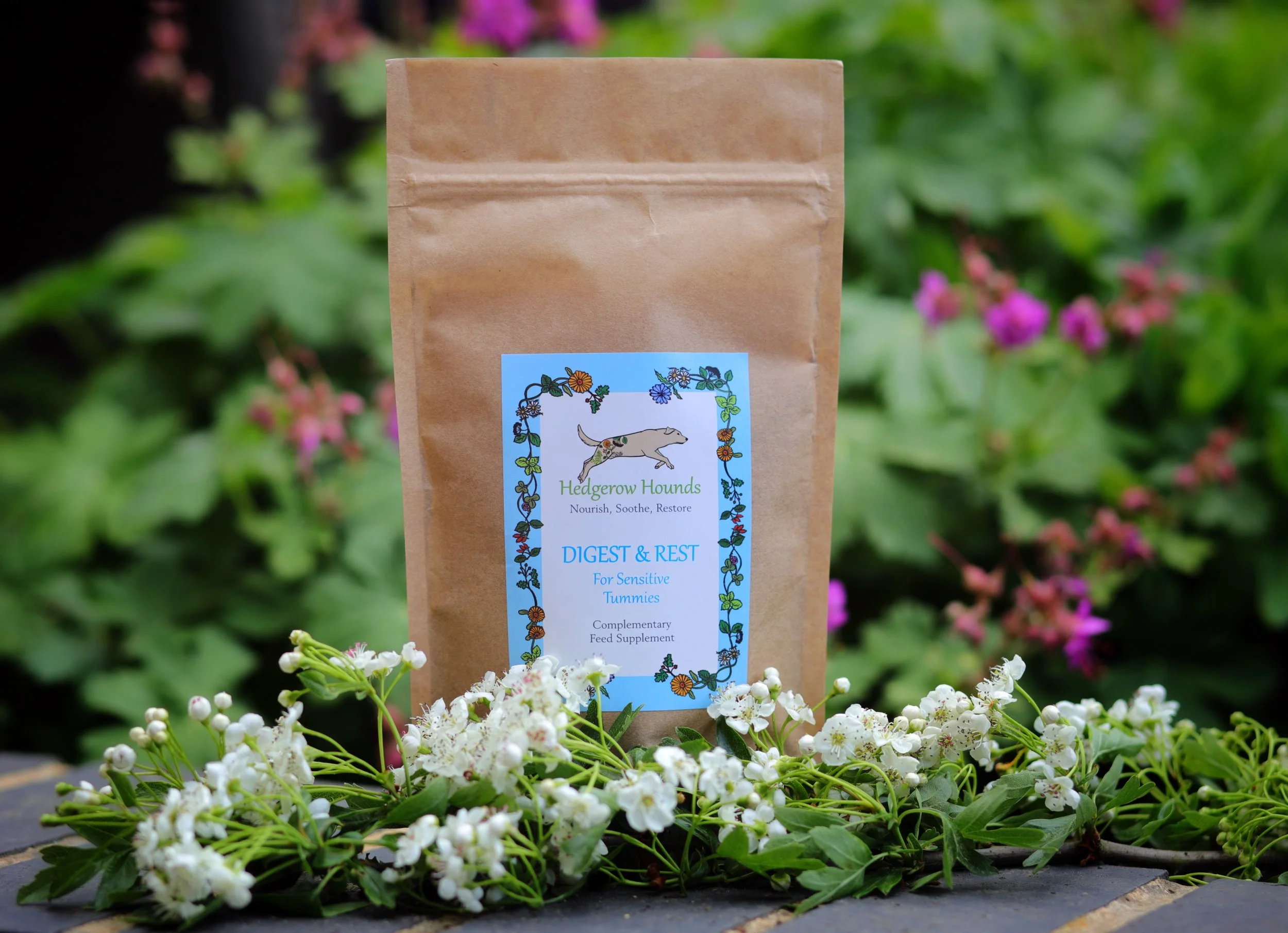
Natural Digestive Support for Dogs
Digest & Rest is the perfect blend for tummy troubles, managing reflux and to aid in anal gland issues.

What does Digest & Rest help with? Digest & Rest was created to help dogs that suffer from digestive upset, constipation, and nausea. It is also ideal for managing anal gland problems. If your dog has a very sensitive digestion, then this blend is ideal if you are intending to make any changes to the diet and will make any transitions much smoother.
It has a very neutral taste and smell, so it will not be off-putting to even the fussiest dog and can be “hidden” in tasty food for the really suspicious, picky eater.
Here are a list of some of the ingredients in Digest & Rest and why they were specially chosen.
Marshmallow - Marshmallow root contains around 35% mucilage, which is a slippery substance to ease irritation of the mucous membranes. This makes it ideal to soothe an irritated throat, gut discomfort or tummy troubles. It is also invaluable for managing reflux and hunger nausea, which can occur just after eating or in the early hours of the morning when the dog’s stomach is empty. Marshmallows’ strongest affinities are with the digestive system, respiratory and urinary tracts.
Chamomile - Chamomile is chosen for its antispasmodic properties as well stimulating digestion as it is quite bitter tasting. Chamomile is also relaxing, so helps if the upset tummy is caused by an anxious, excitable, stressed mind.
Slippery Elm - Slippery elm has been used for centuries to ease digestive upset and soothe the whole digestive tract due to its mucilage properties once it becomes wet.
Fennel - Fennel is useful for expelling intestinal gas and helping to ease stomach cramps.
Psyllium husks - Psyllium are husks from the Plantago ovata species. They provide a form of soluble fibre which when in contact with water, forms a soothing gel which passes through the digestive tract. The husks add bulk to the stools and help with constipation, diarrhoea and aids in the correct emptying of anal glands. Psyllium is also a useful prebiotic to encourage good gut bacteria.
How to use:
Digest & Rest is a very versatile blend to use and you can adapt it to suit your specific dog’s needs. The measured amount can be added to wet food and stirred in, and for dried food, it is recommended that you add a splash of water to the powder and stir it into a paste before incorporating it into the food.
For supporting nausea. If your main reason for choosing this blend is to support reflux or perhaps your dog is recovering from a cough, there are several ways to use this blend for maximum effect. If the powder is made into a thick paste with a little warm water, this starts to release the mucilage, which will coat the mouth and oesophagus as it is consumed. You can try adding this paste to the food, or alternatively, some dogs benefit from a tiny meal or snack with Digest & Rest shortly before the main meal is given, so experiment with this to see what most benefits your dog. Small snacks could include a raw egg, plain cottage cheese, natural live yoghurt or a splash of goats’ milk.
For support with hunger pukes. Some dogs can experience hunger nausea in the early hours of the morning and may bring up some frothy, slimy vomit or start to retch as they experience an uncomfortable nausea. As long as they are well in themselves and have no other symptoms to suggest something more serious is going on, then feeding a very small meal or snack in the evening, which contains the Digest & Rest, can often ease these symptoms overnight and into the early hours. Small snacks can be those listed above or a tiny portion of their main meal set aside for this purpose.
Happy Customer Review
“Our French bulldog now sleeps all night, without the constant air licking, coughing, retching and regurgitation. I never want to be without Digest & Rest” Happy dog and happy owner.
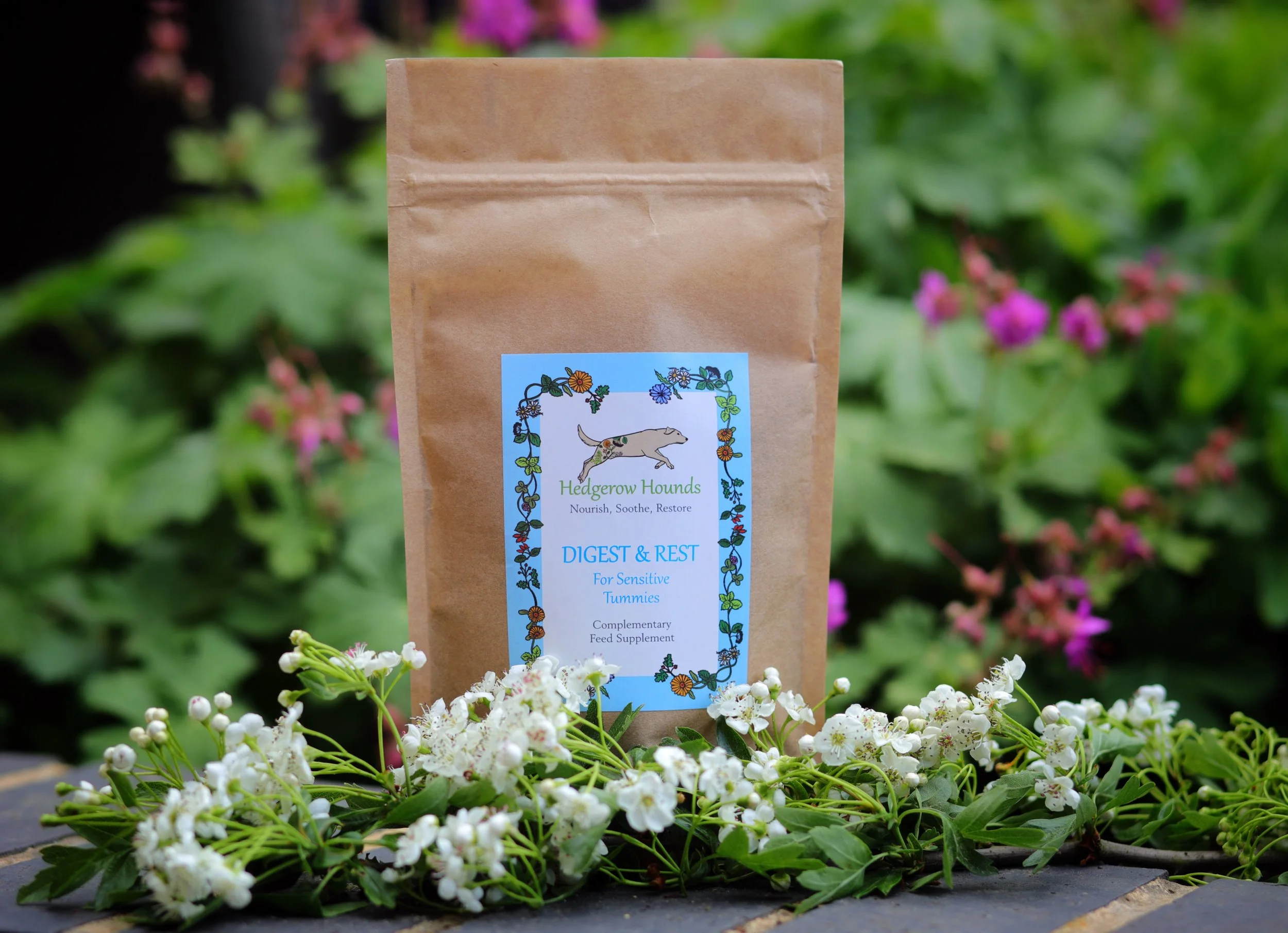
A beautiful blend of herbs, roots, and seeds specifically to soothe the gut, aid digestion, and help anal gland issues.

All our products are veterinary formulated, but should not be used instead of consulting your vet should your dog have a health problem.
Hedgerow Hounds is owned by a qualified holistic canine therapist with 30 years of experience in healthcare and nutrition, and the blends are formulated by a veterinarian.
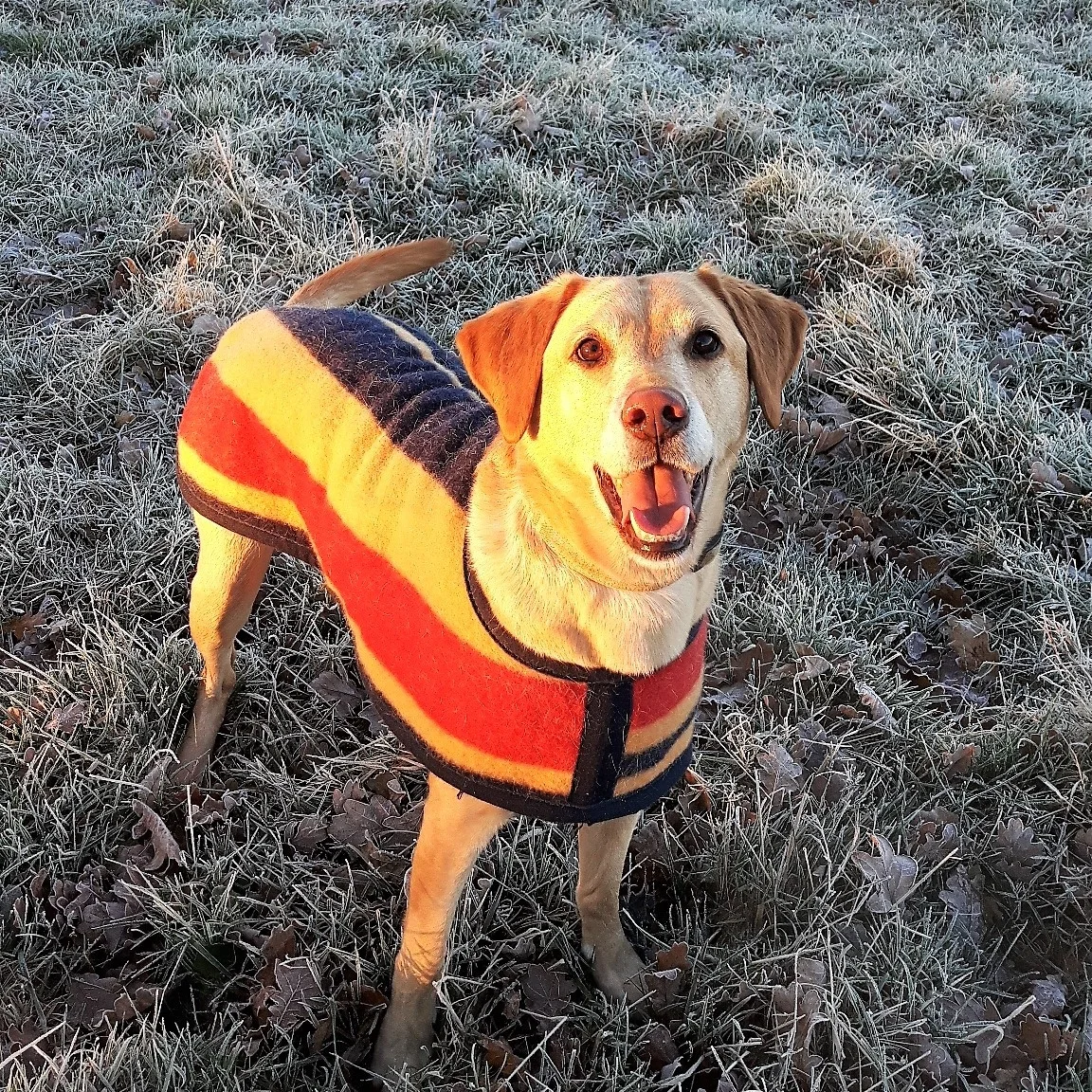
Walking your Dog in Winter
A few top tips for safe Winter walking
Exercising our dogs in Winter can sometimes be a challenge, here are a few top tips to make life easier and safer for your dog.
A frosty start to the day will mean that your dogs muscles are cold from the fall in temperature and also a little stiff from resting all night so will need to gradually limber up before strenuous exercise.
It is really important to give between five and ten minutes lead walking and even more so for seniors and dogs that have had an injury in the past, before letting them off the lead to run. A warm, lengthened muscle is far more prepared for a faster pace and much less prone to injury.

Old or arthritic dogs will benefit from a comfortable, warm coat to wear, this can always be removed if they start to get too warm once they have had a run around.
Be aware that the ground underfoot can change dramatically with a hard frost. The usual muddy track or gateway can become very treacherous and icy or any rutted ground frozen solid. This can cause damage to your dogs paws, joints and muscles should they run over it at speed. Also be careful when there has been snowfall and you are walking in an unfamiliar place as the snow can conceal many hidden dangers underneath. Snow can also bring out the hidden puppy even in the oldest of dogs so putting them on a long line can allow them some freedom to play without the danger of them overdoing it or injuring themselves.
If you have to walk on pavements and grit has either been laid down or spread across from the gritting lorry, then make sure you wash your dogs paws, legs and undercarriage off immediately with luke warm water on returning home, followed by towel drying as they are less likely to lick their legs if they are dry. When the pads are dry a paw balm can be rubbed in to avoid the pads cracking or becoming sore.
Here are 2 natural products that I wouldn’t be without at any time of the year but are particularly useful in Winter. All can be found on the shop.
https://www.hedgerowhounds.co.uk/products/green-clay
https://www.hedgerowhounds.co.uk/products/adore-the-paw-balm
If you walk your dog in the late afternoon or evening then remember to wear some sort of reflective clothing and also something on your dogs collar or harness. There are discs and collars that contain a battery and can be illuminated at the touch of a button. These are useful if you intend to let your dog off the lead, as you can see where the dog is at all times or if you mistime your walk and suddenly find you are walking back in fading light.
Be extremely vigilant of the dangers of anti-freeze, which can either be spilled or sometimes end up in puddles from a passing vehicle. If you are walking in an area where this could be a possibility then keep the dog on a lead and make sure you have a bottle of water and a travel bowl with you for longer walks to avoid the temptation of them drinking from puddles. If you see your dog lick anti-freeze then they need to be taken to the vet immediately as it is extremely poisonous.
If older or arthritic dogs suddenly stop wanting to go out for walks once the weather turns colder then it could well be that they are uncomfortable somewhere in their body and possibly have joint pain which is made worse by the cold, damp weather. Speak to your vet about any medication they are on and also look into feeding a quality joint supplement to help them feel more comfortable. They may only require a very short walk or just a wander around the garden if the weather turns very cold and miserable.
Snuffle mats, Licki mats and interactive toys are fantastic for less mobile dogs and encourage them up out of their beds and to gently move around, easing stiff joints and muscles.
A blog about using Snuffle Mats is here: https://www.hedgerowhounds.co.uk/blog/snufflmats-and-balls
Other blogs which covers injury prevention and managing senior dogs can be found here: https://www.hedgerowhounds.co.uk/news/repetitive-strain-injuries-in-dogs
https://www.hedgerowhounds.co.uk/news/holistic-care-of-senior-dogs
Caroline Hearn MICHT. Dip ICAT. MIAAT
Human, Canine & Equine Sports & Holistic Therapist
www.hedgerowhounds.co.uk
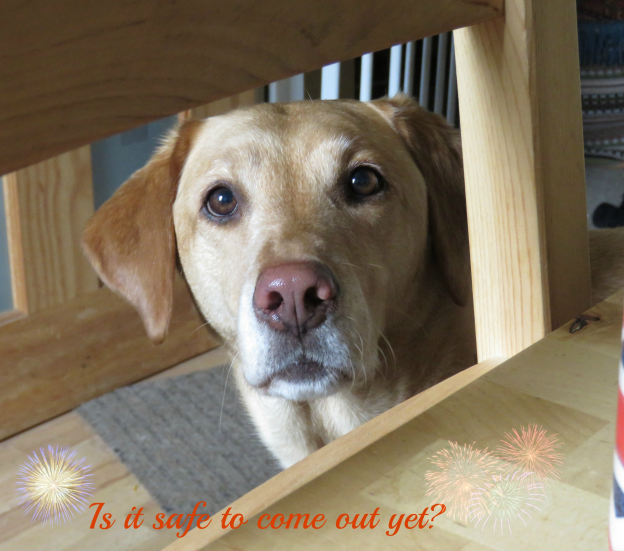
Helping your Dog Cope with the Firework Season.
What was traditionally on November 5th now seems to drag on well into the new year and can make life a misery for many dogs and their guardians.
Dogs can show their fear through obvious signs such as shaking and whining but often they also exhibit behaviours including digging and tearing at carpets and doors, excessive panting and drooling as well as vomiting and diarrhoea.

What was traditionally on November 5th now seems to drag on well into the new year and can make life a misery for many dogs and their guardians.
Dogs can show their fear through obvious signs such as shaking and whining but often they also exhibit behaviours including digging and tearing at carpets and doors, excessive panting and drooling as well as vomiting and diarrhoea.
There are a number of ways of helping your dog to cope with the stresses of fireworks and early preparation is the key to success.
Here are a few ideas to help your dog cope with firework night and beyond.
Build a Den: Many dogs like to hide away when they are frightened. This can be behind the sofa, under the bed, or in tight places. As long as it is a safe place for your dog, then adapt the area to make them feel secure and comfortable.
This can be anything from placing a heavy blanket over a table, dragging the sofa out from against the wall, or covering the dogs usual crate with a thick blanket. Build the den where your dog chooses to go and not where you think it should be. It is really important that the dog is not trapped so he must be able to move away from the den or exit the crate should he wish to.
Change of routine: You will probably have to change your dogs routine so they are taken out for a walk and fed earlier than usual. It may mean a longer walk in the morning and just a toilet break in the afternoon as fireworks can often start before it even gets dark. If you have to go out make sure your dog is kept on the lead and as a precaution use a harness in case he panics and tries to get away, you will have more control and your dog is unlikely to get loose.
If your dog is very fearful then try interactive or scent games in the house and garden instead of walking. “Nose” work can be tiring as well as giving them a sense of fulfilment and stress relief.
When in the house, close the curtains to help block out some of the noise and the flashing lights. Turn up the radio and TV a little louder than usual but try to act as if nothing is wrong or your dog will pick up on it.
Dogs sense our emotions, energy and stress levels very quickly, so It is vital to be there for your dog in a supportive and upbeat manner, keeping your own energy and stress levels down to create an atmosphere where they feel safe and protected.
Natural remedies: For dogs that suffer with anxiety, a combination of natural remedies plus adaptations to lifestyle will be necessary in order to provide comfort to the dog.
Calming herbs can be very useful, although for full effect it is advisable to start a number of weeks before a stressful event. The Hedgerow Hounds Tranquil blend, has helped many dogs that suffer with stress, nervousness and anxiety. I have also had success with the homeopathic remedy called Aconite so that is worth looking into as well.
Other remedies to try include flower remedies such as Bach or those specifically for animals including Creature Comforters.
There are also the calming sprays and diffusers which contain essential oils to promote relaxation. It must be remembered that dogs have the most extraordinary sense of smell, so it is important not to overwhelm the dog by using too much or liberally applying it onto their coat. If they cant move away from the aroma this in itself can be stressful. Instead I favour putting the spray or drops onto a piece of cloth or in an area where they can chose to inhale or move away from should they wish to. The Pet Remedy, sprays and wipes are an excellent range and available on the shop. https://www.hedgerowhounds.co.uk/products/pet-remedy-calming wipes https://www.hedgerowhounds.co.uk/products/tranquil-relax-sooth
The Thundershirt can be useful for some dogs, but again it needs preparation before there is a stressful situation in place. Pressure vests work on the principle of compression, similar to the way an infant feels comfort when wrapped in swaddling. Pressure vests and correctly applied body wraps need to be used regularly before the actual event they are needed for. They have an accumulative effect and it is important that when they are worn initially that it is a very positive, calming and comforting experience. Take time to measure your dog according to the manufacturers guidelines, for a correct fit. It needs to be a snug fit but not so tight that the dog feels stressed and uncomfortable. For more detailed information on the use of pressure vests please read the blog https://www.hedgerowhounds.co.uk/news/body-wraps-pressure-vests
I asked Tom Bysouth BSc (CBT) a force-free dog trainer and behaviourist from Progressive Dogs, for some advise around firework season.
“ As the firework season draws nearer it is not too late to plan how to help your dog through this potentially stressful period. One thing that is important to remember is that you cannot make your dogs fear of fireworks worse by comforting and supporting them. If you have a puppy or young dog you can start to create positive associations around sudden, loud or unfamiliar noises. This can be done with playing a recording of fireworks at a very low volume while your dog plays a search game, eats their food or receives fuss from you. Through repetition, and the very gradual progression of raising the volume this can help teach your dog to associate these sounds with positive experiences.”
Tom can be found at www.progressivedogs.co.uk or email tom@progressivedogs.co.uk
More information on natural ways to help your dog overcome their fears can be found at:
@HedgerowHounds or our website www.hedgerowhounds.co.uk

Tranquil is a blend of herbs, roots and seeds specifically chosen to calm sensitive emotions and associated tummy upsets.

A natural, tried and tested range of products to relax body and mind and bring comfort to stressed, nervous and anxious dogs.
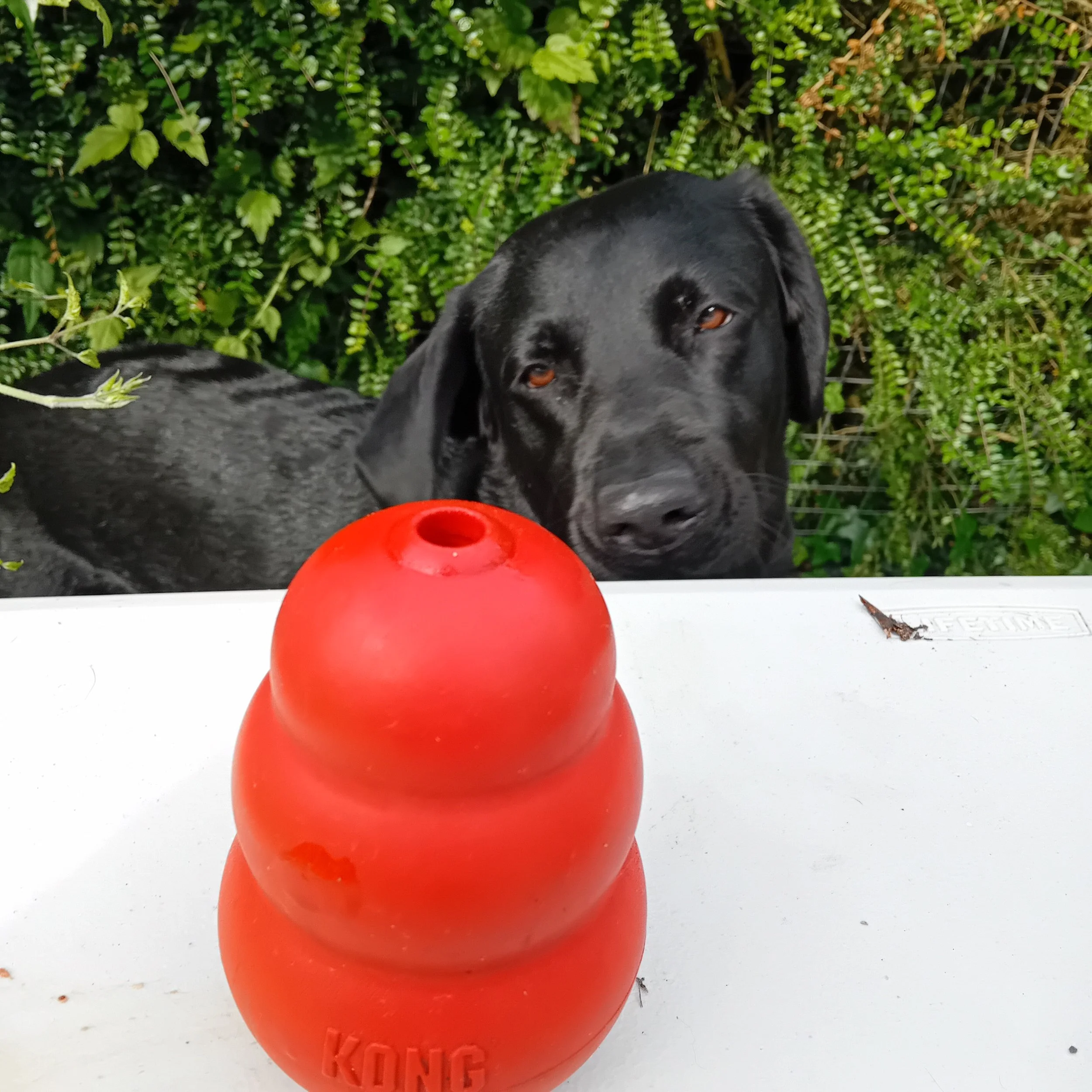
Kong Recipe
Interactive food dispensing toys such as a Kong and various puzzle games can be filled with tasty treats and tempting ingredients to provide mental stimulation and carry out natural behaviour such as chewing, licking, and a desire to seek and find.
Interactive food dispensing toys such as a Kong and various puzzle games can be filled with tasty treats and tempting ingredients to provide mental stimulation and carry out natural behaviour such as chewing, licking, and a desire to seek and find.
When choosing an interactive toy make sure it is of an appropriate size for your dog and if you have a very powerful chewer, that the product is robust enough to withstand the forces that are going to be put upon it. The design of a Kong is ideal for filling with ingredients as it is very strong, easily cleaned, freezer friendly, comes in a variety of sizes, and crucially has a hole at both ends.
To add further interest, layer the ingredients used and experiment with different textures from crunchy fish skin cubes to soft blueberries. You can also hide the food dispenser in the garden to encourage your dog to follow the scent and claim their prize. As dogs are natural scavengers this adds to the overall enrichment experience.
If your dog needs to shed a few pounds, then taking some of their daily food ration and placing it into the Kong maybe with a few fresh steamed vegetables can keep them occupied for longer and give them a bit of a workout at the same time.
Added to raw, kibble, or cooked meat you could include ingredients such as pumpkin, sweet potato, pear, banana, natural goats’ yogurt, bone broth, pumpkin seeds, papaya, quinoa, or some of their favorite healthy treats.
Consider some of the following ingredients and add them in layers for a taste sensation.
Grated courgette and carrot,
Complete raw meal (meat, bone & offal) or cooked boneless meat of choice.
Squashed blueberries, raspberries or blackberries
Pizzle or tripe stick.
How to:
Stir the courgette, and carrot, into the raw meat and then spoon into the Kong until 2/3rds full. Insert the pizzle stick then pack the remaining wet ingredients around it. It can be served fresh or frozen.
For a Fishy treat try:
Sprats (dried or fresh)
Small tin of drained pilchards in spring water
Half a teaspoon of Coconut oil
Tablespoon of Soaked chia seeds.
Blackberries or Blueberries
Cooked Green Beans
How to:
Chop up the ingredients and stir to incorporate. Squish the ingredients into your Kong and add a few whole sprats so they are poking out of the end for added interest.
This can be placed in the freezer for 1-2 hours for long-lasting enrichment.
Caroline Hearn
www.hedgerowhounds.co.uk

Emotions and the Gut
The gut is very sensitive to emotions, and I am sure we have all experienced the butterflies in the stomach, stomach cramps, that tight feeling in our guts, or acid indigestion which can come on in a split second when we are nervous, excited, fearful or anticipating a particular event. And our dogs are just the same.
The gut is very sensitive to emotions, and I am sure we have all experienced the butterflies in the stomach, stomach cramps, that tight feeling in our guts, or acid indigestion which can come on in a split second when we are nervous, excited, fearful or anticipating a particular event. And our dogs are just the same.
If this is a brief episode, it is unlikely to have any lasting health effects, if on the other hand, it is a regular occurrence with little respite then the impact on the gut and therefore the health is huge.
There is a major factor in the link between gut health and emotions in the form of the enteric nervous system also referred to as the ENS.
The ENS consists of millions of nerves lining the gut and specialists often call it the “second brain” as it has complex pathways to relay information back and forth from the gut to the brain as they interact.
It is capable of shutting down digestion in times of acute stress such as in a fight or flight situation.
Stress can be caused by many factors such as separation anxiety, excessive ball throwing so the dog is on a constant adrenaline high, inappropriate exercise for the dog’s age or mobility, picking up on the owner’s emotional stress, inability to cope in a noisy or stressful household and pain, illness or disease.
Whilst these are mainly emotionally based reactions that can be witnessed as the dog exhibiting certain behaviours, a poor quality, inappropriate diet, and exposure to toxins or chemicals can also cause the body stress, which may not show any visible signs immediately but develop over time into disease or outwardly noticeable changes in health and behaviour.
A gut that isn`t functioning correctly can manifest as the dog showing anxious, edgy, or reactive behaviour, which in turn triggers the release of stress hormones into the bloodstream such as adrenalin, and in the case of cortisol increases the level of glucose in the blood and will over time adversely affect the adrenal glands.
Time to chill. Having time-out or chill-out days can be very beneficial to anxious, reactive, or even very active dogs, to bring them back into some sort of balance and down from their constantly stimulated state of mind.
A dog that is in a heightened state of fear, stress, panic and self-preservation will not physically be able to process and learn what is being asked of them. So by bringing down their stress levels, they will be in a better frame of mind to learn new skills, cope with their stress, and grow in confidence to make better decisions that are not fuelled by fear.
When dogs are over-excited, anxious or constantly alert to potential dangers their autonomic nervous system releases the fight or flight chemical adrenaline into the bloodstream, over time this becomes very damaging to the whole body and the gut in particular. The other subdivision of the autonomic nervous system is the parasympathetic which is sometimes called the “rest and digest system” and creates calm, relaxation, and a happy gut and this is what we are hoping to nurture on these quiet, restful days.
Anxiety can present itself in many ways, here are a few to look out for:
• Digestion problems - IBS, Diarrhoea
• Over excitability
• Reactive behaviour (aggression)
• Excessive barking
• Noise sensitivities
• Humping
• Resource guarding
• Chewing or scratching the body
• Inappropriate toileting in the house
• Excessive licking
• Ball obsession
• Pacing
There are several products on the shop to help relax and support nervous, anxious, and reactive dogs
Tranquil is an herbal blend created specifically with the nervous, anxious, reactive & stressed dog in mind https://www.hedgerowhounds.co.uk/products/tranquil-relax-calm
Digest & Rest https://www.hedgerowhounds.co.uk/products/digest-and-rest
Other blogs to help stressed and anxious dogs:
https://www.hedgerowhounds.co.uk/news/snuffle-mats-and-balls
https://www.hedgerowhounds.co.uk/news/anxious-dog
https://www.hedgerowhounds.co.uk/news/feeding-raw-bones