
Pumpkin Puree for Dogs
Pumpkins are everywhere at the moment, and they are at their cheapest in Autumn. It’s a great opportunity to make some pumpkin puree for your dog.

Making pumpkin puree for your dog is a cheap and easy way to ease an upset tummy and add valuable fibre to your pet’s meals.
Pumpkin is high in both soluble & insoluble fibre. This makes it ideal for absorbing excess water, as in diarrhoea, and adding bulk to the stool if dealing with constipation.
The fibre in pumpkin acts as a prebiotic to feed the good gut bacteria and to aid in balancing the microbiome.
It is low in calories, low carb and high in antioxidants, particularly beta-carotene.
You will need:
A Pumpkin or Butternut Squash
Boiling water - Enough to cover the chopped pumpkin in the pan
Colander or drainer
Small pots or large ice cube moulds.
How to:
Chop into large slices and then peel off the rind. Scoop out & discard any seeds.
Cut into similar-sized pieces so they cook evenly.
Simmer until the pumpkin is tender, and then drain well.
Mash with a fork or potato masher.
Freeze in small individual pots or larger ice cube trays, which can be thawed quickly when needed.
If you want to make your dog a tummy-soothing meal, there is a recipe here using pumpkin, chicken, or white fish. https://www.hedgerowhounds.co.uk/news/pumpkin-chicken-mash
The Importance of Water to your Dogs Health
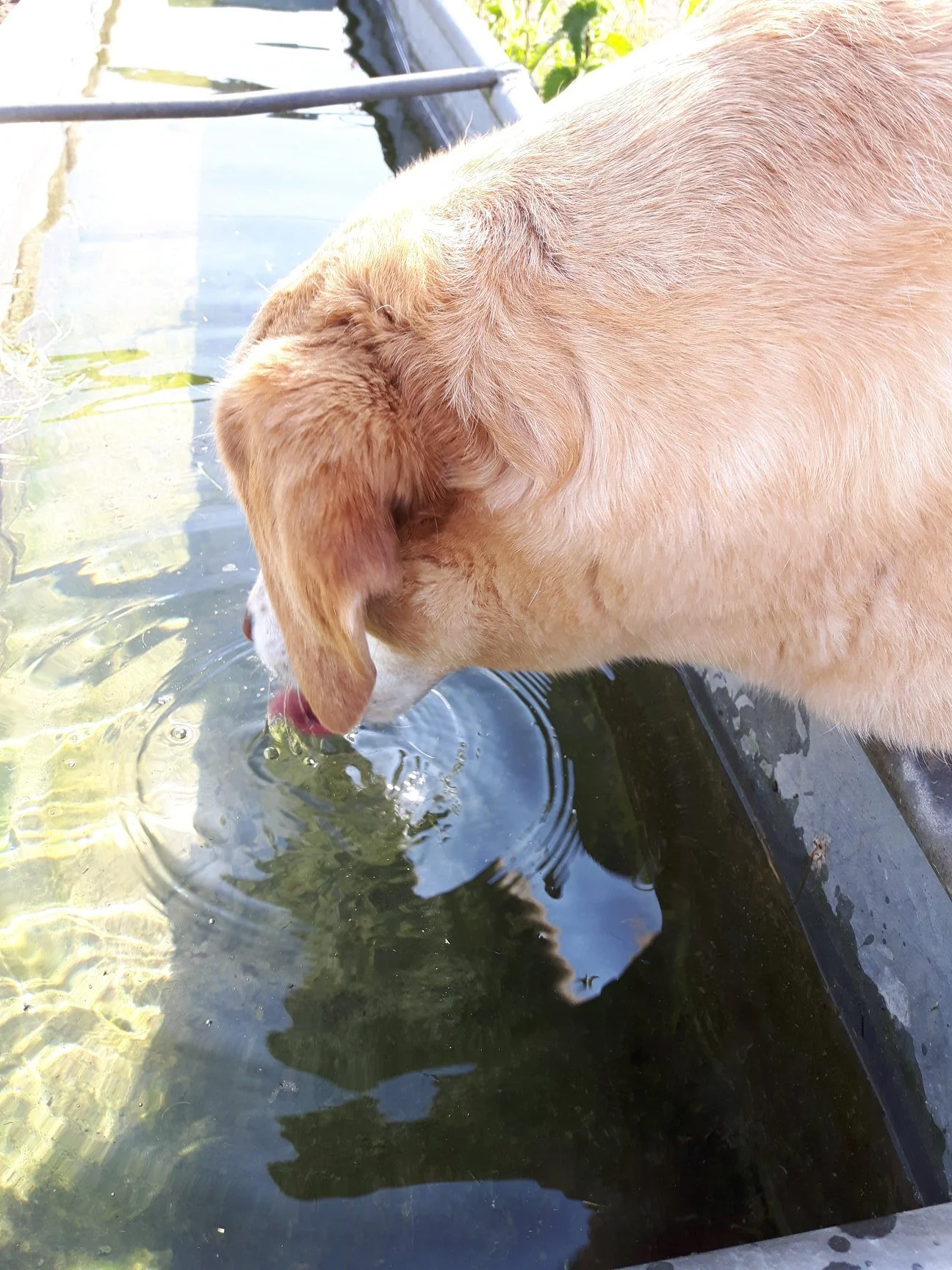
Dogs are made up of around 70% water and it supports every bodily function, without an adequate supply dogs become dehydrated and seriously ill.
In this current hot spell it is even more important to provide a generous amount of clean, fresh water which helps maintain a normal body temperature and to keep the essential electrolyte balance.

Dogs are made up of around 70% water and it supports every bodily function, without an adequate supply dogs become dehydrated and seriously ill.
In this current hot spell it is even more important to provide a generous amount of clean, fresh water which helps maintain a normal body temperature and to keep the essential electrolyte balance.
Water bowls need to be scrubbed clean to remove any saliva which quickly builds up and is an environment for bacteria to grow. Newly poured water in a clean bowl is much more inviting to a dog and will encourage them to drink freely.
As a guide a dog needs 1oz of water per 1lb of body weight. There are certain circumstances in which a dog will need more water such as very hot weather (3-4 times as much), a bitch that is nursing puppies, kibble fed dogs will need more water than dogs fed a moist food, a dog that has a bout of vomiting and diarrhoea and in this heat it is wise to contact your vet as its essential that they maintain their body fluids.
If you have to take your dog out in warm weather then take plenty of water and a water bowl that your dog is familiar with. At shows and competitions there are often bowls left out for dogs to drink from, not only is there a potential risk of infection between the dogs but also many dogs refuse to drink, even when thirsty from a communal bowl which is full of others saliva and who can blame them.
If you leave your dog at home while you go out make sure they have a non spill bowl, a raised bowl on a stand or a second water bowl elsewhere, then should the water get tipped over there is still another source. Fresh water in the garden is also a good idea but remember to bring the bowl in at night or discard the water and scrub clean before allowing the dog to drink from it due to risk of contamination from wildlife and importantly slugs and snails which will visit it over night and possibly be carrying lungworm.
The signs of dehydration are shown as the dog being very listless, dull sunken eyes, dry, tacky gums and nose, absence of or passing very dark urine, unsteady gait or even collapse.
Along with the above symptoms there are a couple of ways of testing for dehydration in your dog. One is to press lightly on the gums and as you remove your finger the pink colour should return with a couple of seconds.
Another way is to lift a fold of skin up between the dogs shoulder blades and then release, the skin should return immediately. If the dog is dehydrated then the skin will slowly return to normal or may even stay upright. Any of these symptoms would require immediate care from a vet for a successful outcome and full recovery of the dog.
For dogs that are not big drinkers you may need to encourage them to take more fluids in hot weather. This can be done by blending ingredients naturally high in moisture and either offering it to them or stirring into their food. This smoothie shown below, using watermelon, lettuce, chard, spinach & berries blended with water, can also be made into a dog friendly ice lolly or frozen into Kongs etc. Bone broth (home made or shop bought) diluted with water can tempt even the fussiest drinker to consume more fluids.

Bone Broth Recipe
Bone Broth is rich in naturally occurring collagen, gelatin, glucosamine, hyaluronic acid and chondroitin so you can see why it is beneficial to joint health and particularly useful for senior dogs.
It is very easy to digest and great as a nourishing pick me up for poorly dogs that are off their food. It is also full of flavor and will tempt even the fussiest eater.
Good bones to use are chicken & duck feet, ribs, chicken backs, beef or lamb ribs, chicken or duck necks, beef knuckles, pig trotter and ox tail. It must be noted that you are NOT going to feed the cooked bones to your dog, only the lovely broth and jelly that remains after the long cooking process.
If you add a marrow bone, remove any central marrow first or it will turn the broth very greasy. Cut off any excess skin or fat from the bones before adding to the pot, this is particularly important if you have a dog that is prone to pancreatitis.
You will need:
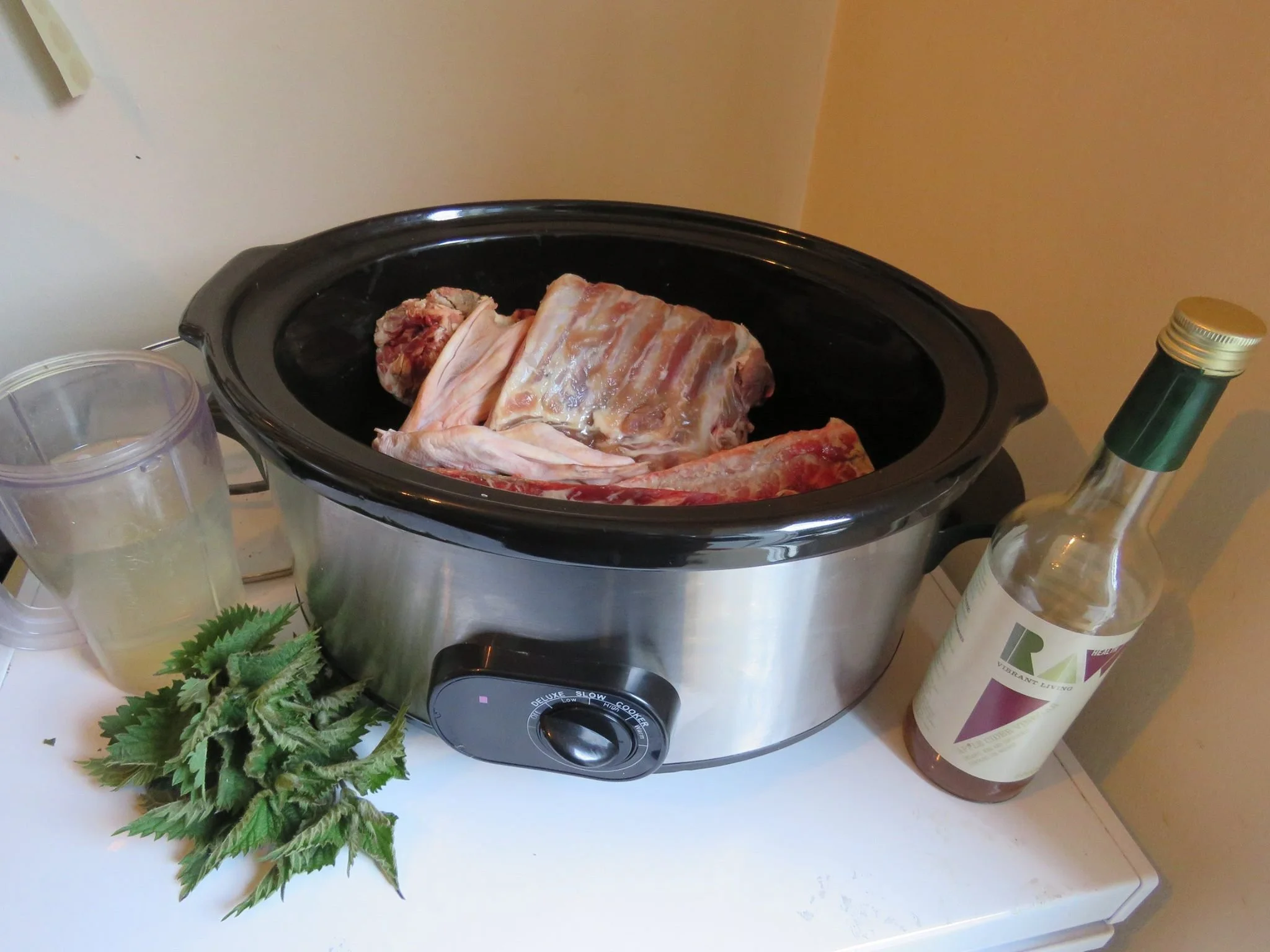
A slow cooker or heavy stock pot with a lid, which can be left on a low setting for many hours.
A collection of bones, a mixed variety will produce a better broth.
Enough water to cover the bones and a little set aside should levels drop too low
Apple cider vinegar (2-3 tablespoons) this helps leach the minerals out of the bones and into the broth
Optional small selection of vegetables, but not too much as we don’t want to dilute all the nutritious bone broth !
How to make:
Pre-heat your slow cooker on high for 15 minutes then turn down to its lowest setting. Add your selection of bones plus the water containing the cider vinegar. Place the lid on and leave on low for at least 24 hours although many people leave it for up to 36 hours.
After this time turn off the pot and when the broth has started to cool, thoroughly remove any cooked bones with a slotted spoon and make sure they are safely disposed of and out of the dog’s reach.
The resulting broth can be ladled or poured into suitable ice cube trays or pots and kept in the fridge for 3-4 days or frozen for later use.
**The cooked bones must be disposed of safely and never fed to your dog **.
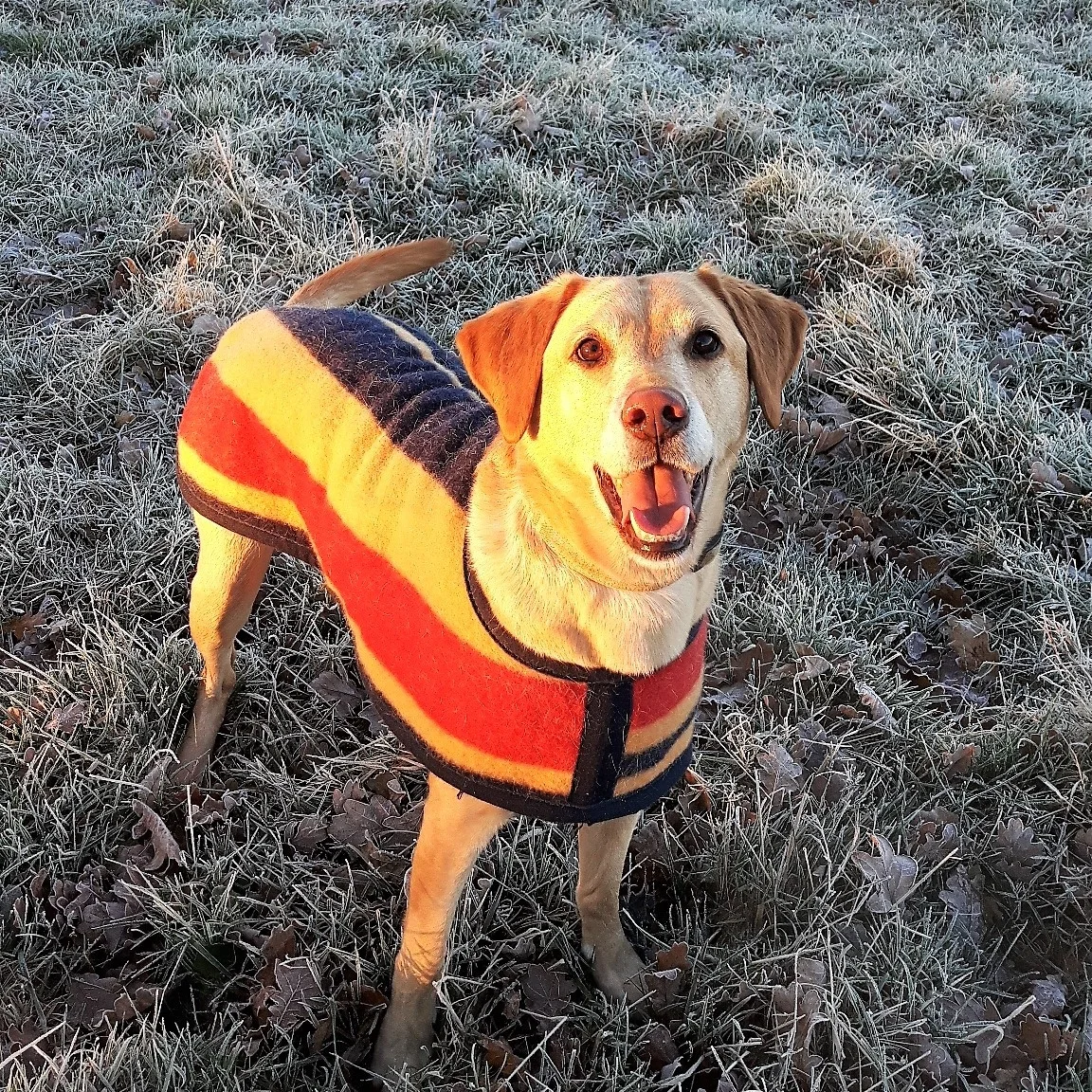
Walking your Dog in Winter
A few top tips for safe Winter walking
Exercising our dogs in Winter can sometimes be a challenge, here are a few top tips to make life easier and safer for your dog.
A frosty start to the day will mean that your dogs muscles are cold from the fall in temperature and also a little stiff from resting all night so will need to gradually limber up before strenuous exercise.
It is really important to give between five and ten minutes lead walking and even more so for seniors and dogs that have had an injury in the past, before letting them off the lead to run. A warm, lengthened muscle is far more prepared for a faster pace and much less prone to injury.

Old or arthritic dogs will benefit from a comfortable, warm coat to wear, this can always be removed if they start to get too warm once they have had a run around.
Be aware that the ground underfoot can change dramatically with a hard frost. The usual muddy track or gateway can become very treacherous and icy or any rutted ground frozen solid. This can cause damage to your dogs paws, joints and muscles should they run over it at speed. Also be careful when there has been snowfall and you are walking in an unfamiliar place as the snow can conceal many hidden dangers underneath. Snow can also bring out the hidden puppy even in the oldest of dogs so putting them on a long line can allow them some freedom to play without the danger of them overdoing it or injuring themselves.
If you have to walk on pavements and grit has either been laid down or spread across from the gritting lorry, then make sure you wash your dogs paws, legs and undercarriage off immediately with luke warm water on returning home, followed by towel drying as they are less likely to lick their legs if they are dry. When the pads are dry a paw balm can be rubbed in to avoid the pads cracking or becoming sore.
Here are 2 natural products that I wouldn’t be without at any time of the year but are particularly useful in Winter. All can be found on the shop.
https://www.hedgerowhounds.co.uk/products/green-clay
https://www.hedgerowhounds.co.uk/products/adore-the-paw-balm
If you walk your dog in the late afternoon or evening then remember to wear some sort of reflective clothing and also something on your dogs collar or harness. There are discs and collars that contain a battery and can be illuminated at the touch of a button. These are useful if you intend to let your dog off the lead, as you can see where the dog is at all times or if you mistime your walk and suddenly find you are walking back in fading light.
Be extremely vigilant of the dangers of anti-freeze, which can either be spilled or sometimes end up in puddles from a passing vehicle. If you are walking in an area where this could be a possibility then keep the dog on a lead and make sure you have a bottle of water and a travel bowl with you for longer walks to avoid the temptation of them drinking from puddles. If you see your dog lick anti-freeze then they need to be taken to the vet immediately as it is extremely poisonous.
If older or arthritic dogs suddenly stop wanting to go out for walks once the weather turns colder then it could well be that they are uncomfortable somewhere in their body and possibly have joint pain which is made worse by the cold, damp weather. Speak to your vet about any medication they are on and also look into feeding a quality joint supplement to help them feel more comfortable. They may only require a very short walk or just a wander around the garden if the weather turns very cold and miserable.
Snuffle mats, Licki mats and interactive toys are fantastic for less mobile dogs and encourage them up out of their beds and to gently move around, easing stiff joints and muscles.
A blog about using Snuffle Mats is here: https://www.hedgerowhounds.co.uk/blog/snufflmats-and-balls
Other blogs which covers injury prevention and managing senior dogs can be found here: https://www.hedgerowhounds.co.uk/news/repetitive-strain-injuries-in-dogs
https://www.hedgerowhounds.co.uk/news/holistic-care-of-senior-dogs
Caroline Hearn MICHT. Dip ICAT. MIAAT
Human, Canine & Equine Sports & Holistic Therapist
www.hedgerowhounds.co.uk
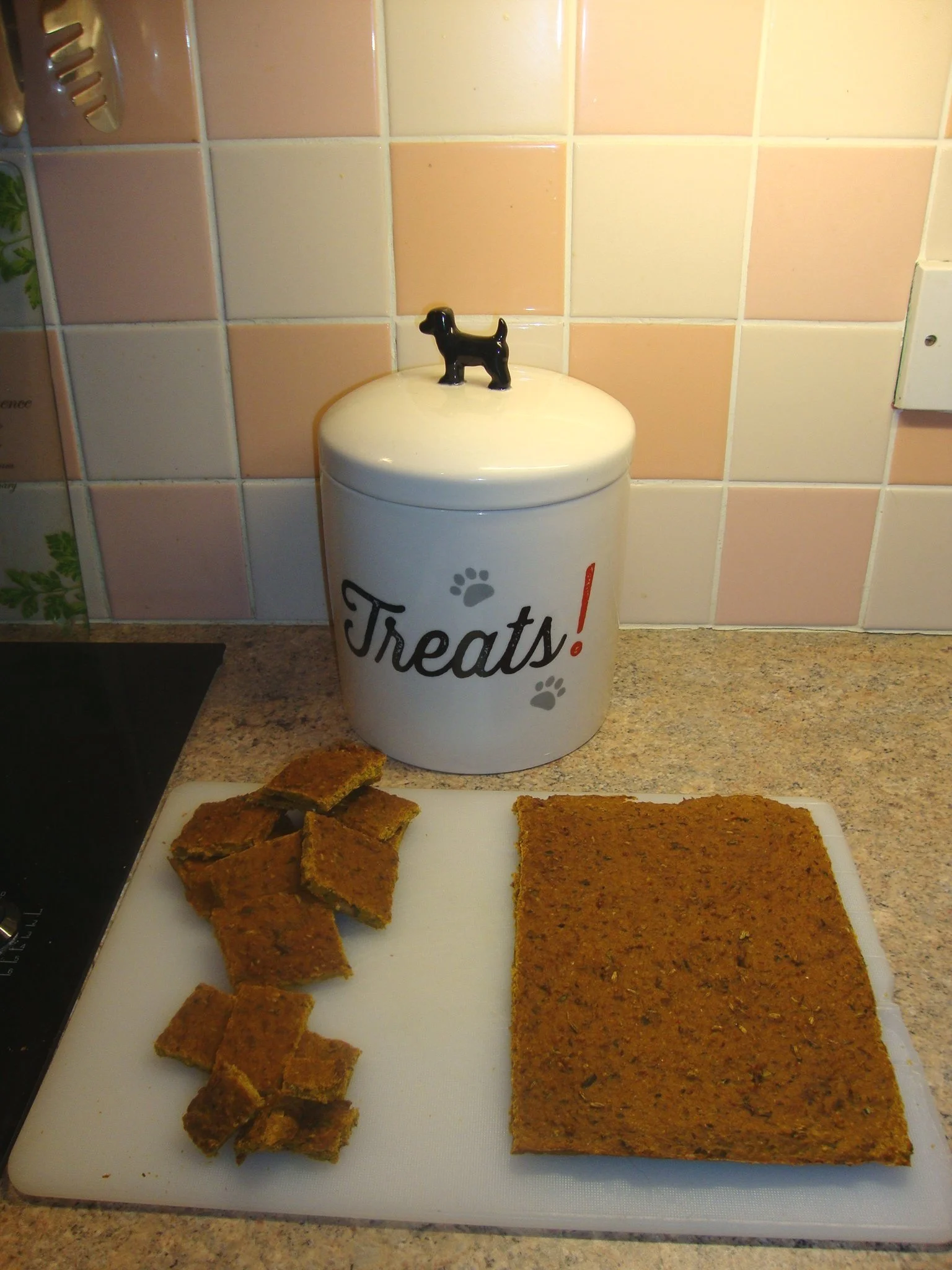
Turmeric and Pilchard Bake
This is a great recipe for senior dogs, those that prefer soft treats or very active dogs that will benefit from the anti-inflammatory effects of turmeric.

This is a great recipe for senior dogs, those that prefer soft treats or very active dogs that will benefit from the anti-inflammatory effects of turmeric.
There is also a recipe on how to make your own golden paste and a blog on what to look for when choosing turmeric.
To make the treats you will need:
Tin Pilchards 420g tin in tomato sauce or spring water (avoid the ones in oil)
Turmeric paste or powder- 1 tablespoon
2 cups Flour of choice (I used a combo of Gram & Buckwheat)
2 free range eggs
Quarter cup of gluten free jumbo oats/oatmeal or cooked Quinoa
Apple cider vinegar 1 teaspoon
Sprinkle of flax or chia seeds
Mix all ingredients in a bowl and add just enough water to make it spreadable in the base of a baking tray, which is best lined with baking paper. Level the ingredients out so it is a consistent thickness to allow for even baking.
Place the tray in a preheated oven at 180c for around 30 mins or until cooked but still springy & soft. Allow to cool slightly and then cut to an appropriate size for you dog.
Once thoroughly cold, store in an airtight container in the fridge and use within 7 days or put in the freezer and take out what you need each day.
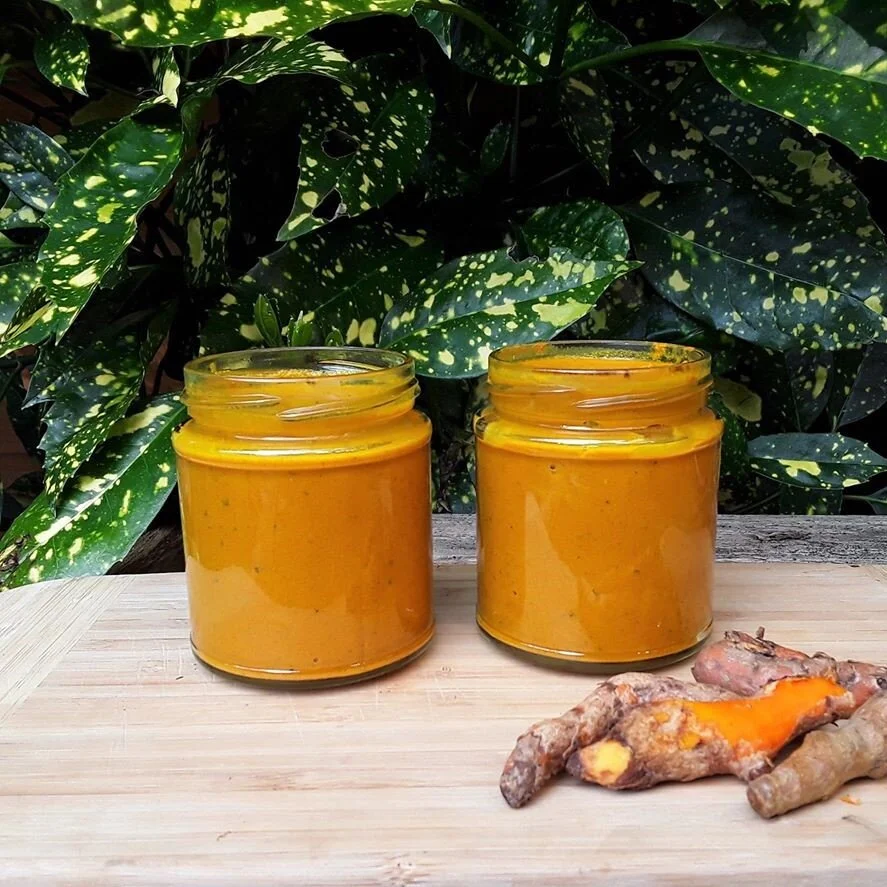
Turmeric - Which type?
Turmeric is a rhizome which is closely related to ginger and has traditionally been used for around 4,000 years in cooking, ceremonies and highly valued for its medicinal qualities.
Over the past few years it has become popular with people and their pets as a natural way to help alleviate aches and pains as it has anti-inflammatory and anti-oxidant properties.

Turmeric is a rhizome which is closely related to ginger and has traditionally been used for around 4,000 years in cooking, ceremonies and highly valued for its medicinal qualities.
Over the past few years it has become popular with people and their pets as a natural way to help alleviate aches and pains as it has anti-inflammatory and anti-oxidant properties.
It is important to choose your turmeric product wisely and there are a few things to check before purchase to ensure you are getting a quality source of turmeric and that it has a number of other ingredients included to aid better absorption and increase effectiveness.
Turmeric is naturally rich in vitamins and minerals including calcium, magnesium & potassium. Vitamins C, E,K,B6,B12 and folate. Minerals include iron, phosphorus, zinc, thiamine, riboflavin, niacin and beta- carotene.
Turmeric also contains a number of bio-active compounds called Curcuminoids. The most studied and well known of these is called Curcumin. It is important to have a certain level of curcumin present to ensure the best results. Turmeric powder sold in supermarkets for culinary use will usually have the curcumin removed, which is then used in capsules, so just the flavour and colour of the powder remains.
A good turmeric product will state the curcumin level and also give a list of other ingredients which compliment and increase absorption of the curcuminoids. The level of curcumin to look for is between 3-5 %. Other ingredients are an oil, usually coconut or flax seed oil and black pepper. Black pepper contains a substance called Piperine which in recent studies, shows an increase in the uptake of curcumin by 2,000%
There have been thousands of studies and clinical trails carried out on turmeric, curcumin and a variety of other compounds found in this rhizome. Some of these studies can be found at www.ncbi.nlm.nih.gov
Important advice if taking medication:
Any dietary turmeric should be used with caution if you or your dog is on medication as both curcumin and piperine can affect the absorption of medication. Turmeric can also influence blood clotting so remove from the diet two weeks prior to an imminent surgical procedure and for one week after surgery. Turmeric capsules intended for human use can consist of pure curcumin which is too strong for dogs and more likely to interact with medication, unlike the milder paste. If you want to give your dog capsules then ensure they are made for animal use.
Turmeric is a warming spice so it may be unsuitable for all year round use in certain dogs. Try and take a break or reduce the dose at some point in the year. A good time for a short break could be in the warmest of the Summer months when mobility is often eased due to an increase in temperature.
Holistic Healthcare for Much loved Dogs
www.hedgerowhounds.co.uk
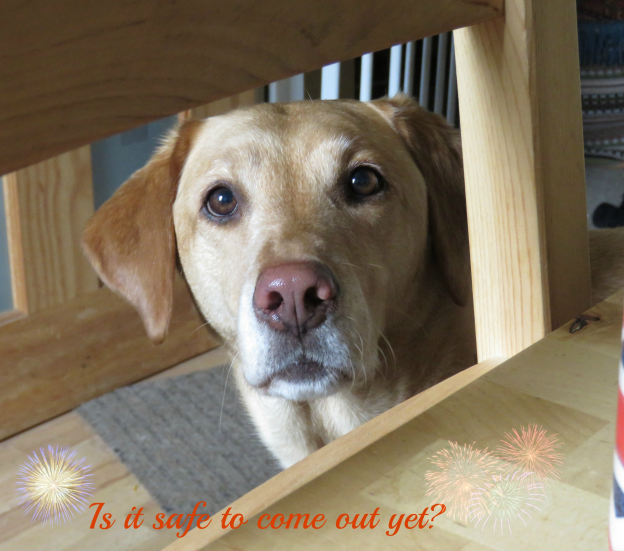
Helping your Dog Cope with the Firework Season.
What was traditionally on November 5th now seems to drag on well into the new year and can make life a misery for many dogs and their guardians.
Dogs can show their fear through obvious signs such as shaking and whining but often they also exhibit behaviours including digging and tearing at carpets and doors, excessive panting and drooling as well as vomiting and diarrhoea.

What was traditionally on November 5th now seems to drag on well into the new year and can make life a misery for many dogs and their guardians.
Dogs can show their fear through obvious signs such as shaking and whining but often they also exhibit behaviours including digging and tearing at carpets and doors, excessive panting and drooling as well as vomiting and diarrhoea.
There are a number of ways of helping your dog to cope with the stresses of fireworks and early preparation is the key to success.
Here are a few ideas to help your dog cope with firework night and beyond.
Build a Den: Many dogs like to hide away when they are frightened. This can be behind the sofa, under the bed, or in tight places. As long as it is a safe place for your dog, then adapt the area to make them feel secure and comfortable.
This can be anything from placing a heavy blanket over a table, dragging the sofa out from against the wall, or covering the dogs usual crate with a thick blanket. Build the den where your dog chooses to go and not where you think it should be. It is really important that the dog is not trapped so he must be able to move away from the den or exit the crate should he wish to.
Change of routine: You will probably have to change your dogs routine so they are taken out for a walk and fed earlier than usual. It may mean a longer walk in the morning and just a toilet break in the afternoon as fireworks can often start before it even gets dark. If you have to go out make sure your dog is kept on the lead and as a precaution use a harness in case he panics and tries to get away, you will have more control and your dog is unlikely to get loose.
If your dog is very fearful then try interactive or scent games in the house and garden instead of walking. “Nose” work can be tiring as well as giving them a sense of fulfilment and stress relief.
When in the house, close the curtains to help block out some of the noise and the flashing lights. Turn up the radio and TV a little louder than usual but try to act as if nothing is wrong or your dog will pick up on it.
Dogs sense our emotions, energy and stress levels very quickly, so It is vital to be there for your dog in a supportive and upbeat manner, keeping your own energy and stress levels down to create an atmosphere where they feel safe and protected.
Natural remedies: For dogs that suffer with anxiety, a combination of natural remedies plus adaptations to lifestyle will be necessary in order to provide comfort to the dog.
Calming herbs can be very useful, although for full effect it is advisable to start a number of weeks before a stressful event. The Hedgerow Hounds Tranquil blend, has helped many dogs that suffer with stress, nervousness and anxiety. I have also had success with the homeopathic remedy called Aconite so that is worth looking into as well.
Other remedies to try include flower remedies such as Bach or those specifically for animals including Creature Comforters.
There are also the calming sprays and diffusers which contain essential oils to promote relaxation. It must be remembered that dogs have the most extraordinary sense of smell, so it is important not to overwhelm the dog by using too much or liberally applying it onto their coat. If they cant move away from the aroma this in itself can be stressful. Instead I favour putting the spray or drops onto a piece of cloth or in an area where they can chose to inhale or move away from should they wish to. The Pet Remedy, sprays and wipes are an excellent range and available on the shop. https://www.hedgerowhounds.co.uk/products/pet-remedy-calming wipes https://www.hedgerowhounds.co.uk/products/tranquil-relax-sooth
The Thundershirt can be useful for some dogs, but again it needs preparation before there is a stressful situation in place. Pressure vests work on the principle of compression, similar to the way an infant feels comfort when wrapped in swaddling. Pressure vests and correctly applied body wraps need to be used regularly before the actual event they are needed for. They have an accumulative effect and it is important that when they are worn initially that it is a very positive, calming and comforting experience. Take time to measure your dog according to the manufacturers guidelines, for a correct fit. It needs to be a snug fit but not so tight that the dog feels stressed and uncomfortable. For more detailed information on the use of pressure vests please read the blog https://www.hedgerowhounds.co.uk/news/body-wraps-pressure-vests
I asked Tom Bysouth BSc (CBT) a force-free dog trainer and behaviourist from Progressive Dogs, for some advise around firework season.
“ As the firework season draws nearer it is not too late to plan how to help your dog through this potentially stressful period. One thing that is important to remember is that you cannot make your dogs fear of fireworks worse by comforting and supporting them. If you have a puppy or young dog you can start to create positive associations around sudden, loud or unfamiliar noises. This can be done with playing a recording of fireworks at a very low volume while your dog plays a search game, eats their food or receives fuss from you. Through repetition, and the very gradual progression of raising the volume this can help teach your dog to associate these sounds with positive experiences.”
Tom can be found at www.progressivedogs.co.uk or email tom@progressivedogs.co.uk
More information on natural ways to help your dog overcome their fears can be found at:
@HedgerowHounds or our website www.hedgerowhounds.co.uk

Tranquil is a blend of herbs, roots and seeds specifically chosen to calm sensitive emotions and associated tummy upsets.

A natural, tried and tested range of products to relax body and mind and bring comfort to stressed, nervous and anxious dogs.