Winter Bone Broth
As we approach the coldest months of the year we turn to foods which offer comfort and warmth.
We can also provide our dogs with a seasonal variation on the usual bone broth recipe by adding ingredients which are traditionally used to support joint health and immunity.
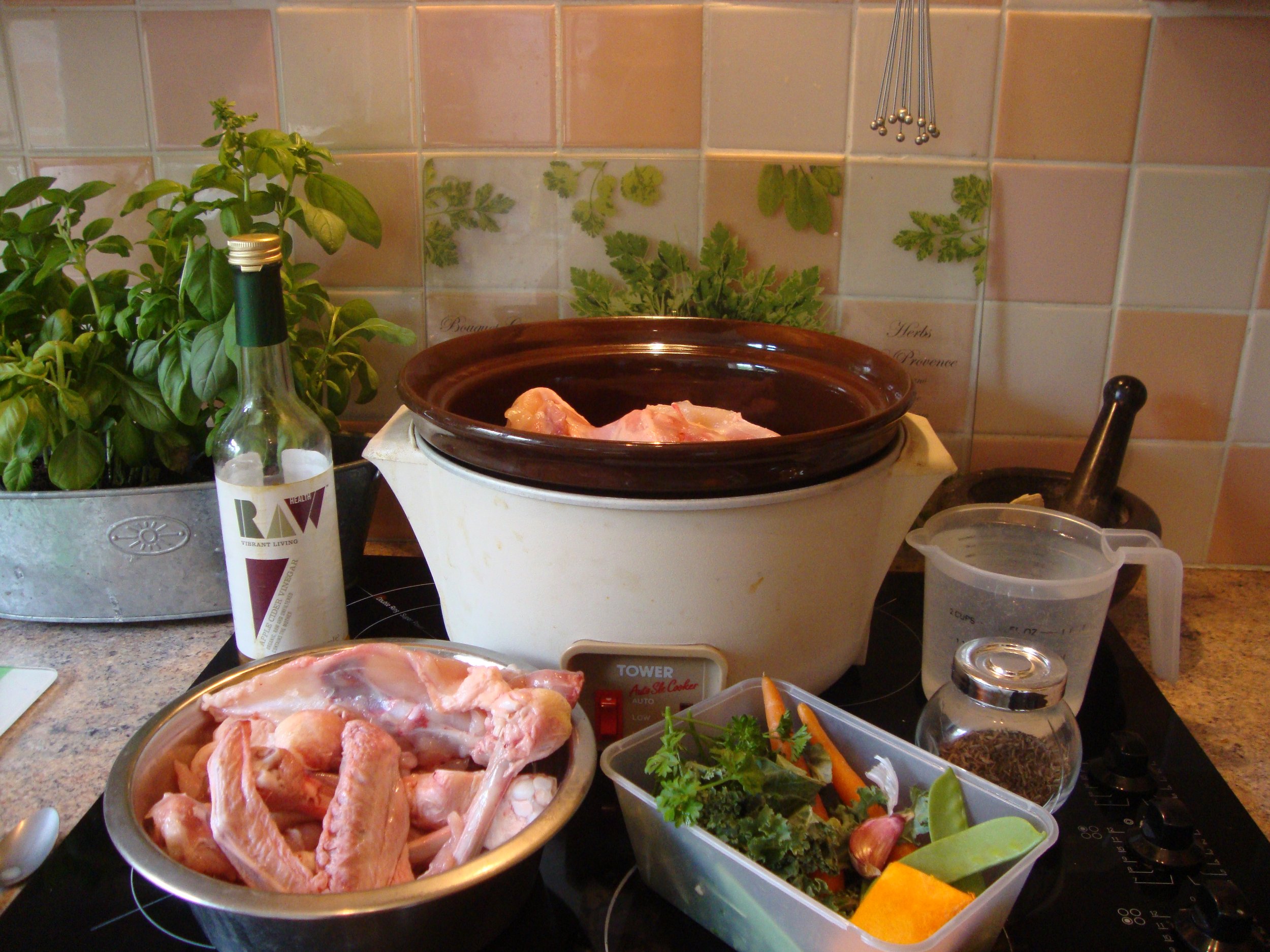
As game is currently in season, try and find bones from venison, duck, pheasant or partridge. Duck and chicken feet are a good source of glucosamine, chondroitin and gelatine and after many hours of cooking will dissolve into the broth.
Avoid bones with a large amount of fat, skin and central marrow, which will just produce a very fatty and oily broth. Either remove the fat and marrow or chose a different type of bone. If your dog is prone to pancreatitis it is very important to select lean bones, remove any visible fat before cooking and skim off any that comes to the surface during cooking.
You will need approximately 4 - 5 pounds of bones of varying types and size to make a good broth. Some bones, such as ribs will completely break down into the broth, whereas harder bones will be lifted out in large pieces.
You will need:
A slow cooker or large stock pot with a lid
Bones such as duck, venison, pheasant, partridge, chicken, turkey, ox tail, beef, lamb ribs etc.
Enough water to just cover the bones when they are placed in the cooking pot.
1 stick of celery roughly chopped
Cider apple vinegar - 2 tablespoons
Ginger – 1 thumbnail size piece of fresh or half a teaspoon of powered
Turmeric 1 teaspoon (fresh or dried)
Cinnamon - quarter of a teaspoon
Shiitake mushrooms- quarter of a cup (dried or fresh)
1 level tablespoon Autumn Harvest herbal blend
2 grinds of black pepper
How to make:
Place your chosen bones into the pot and pour on the water so they are just covered. Add the cider apple vinegar and black pepper. The slow cooker is used on its lowest setting or a stock pot placed over a very low heat for anywhere between 24 – 30 hours, although some people prefer to leave the broth cooking gently for nearer to 36 hours .You may need to top up with water if the levels are getting very low.
In the remaining 2 hours of cooking add the spices, mushrooms and vegetables.
When complete, turn off the heat and carefully remove the bones with a slotted spoon plus skim off any excess fat that may be on the surface.
As the resulting broth starts to cool, transfer into ice cube trays or suitable sized pots to place in the fridge or freezer for later use. If you want your broth as a set jelly then you could stir in a level tablespoon of gelatine powder.
Store in the fridge and use within 1 week or keep in the freezer and use within 4 months.
Add the defrosted broth to meals, any recipes you make or gently warm through to provide a warm, comforting treat on a very chilly day.
**It is essential to remove the bones and dispose of them safely and under no circumstances should they be fed **

Feeding Vegetables to Dogs
There is a lot of conflicting advice about feeding dogs vegetables. Here we will explore which are suitable and what to avoid or keep to a minimum.

Should I add vegetables or not? If so which type?
So should we bother feeding vegetables to our dogs and will it even benefit them?
There are many benefits to including some fresh vegetables to our dogs diet. It is important that they are prepared in a way that our dogs can digest them either through cooking, steaming or blitzing to a smoothie. We should all be including more veg in our diets so maybe the easiest way is just to prepare a bit extra when you are preparing your own meals and then set it aside for your dog.
Phytonutrients
The term ‘phytonutrients’ is a name for a variety of compounds only found in plants that have a vast array of health-giving properties. They are covered in far greater detail in the vegetable and fruit section and are a useful way to provide additional micronutrients and antioxidants to your dog’s diet. If the inclusion of fruit, vegetables and seeds is a new experience for your dog, then start off by incorporating tiny amounts until his system adapts and you find the ingredients that suit your particular dog.
Probably the best known of the phytonutrients are carotenoids and flavonoids.
Carotenoids are plant pigments responsible for the vibrant red, yellow, orange and green hues found in vegetables, fruits and plants that can play an important role in protecting cells against harmful effects of light, air and pollution. Beta-carotene, lycopene and lutein are all different types of carotenoid that can easily be included in the diet. They act as anti-oxidants which protect cells from free radicals, which are substances that work to destroy cell membranes and DNA.
Foods that are rich in carotenoids are:
· Lutein: collard greens, Swiss chard, lettuce, spinach, kale and dandelion greens.
· Lycopene: red/orange bell peppers, watermelon, pomegranate, apples, mint and blackberries.
· Beta-carotene: carrots, sweet potato, broccoli and romaine lettuce.
· Flavonoids: These give berries their red, blue and purple colour and can be included in the diet in the form of blueberries, blackberries, raspberries and bilberries.
So, what does the inclusion of veg and fruit have offer to our dogs?
They provide a wealth of vitamins, minerals, anti-oxidants and fibre, including vitamins A, B, C, E and K, and minerals such as calcium, potassium and magnesium.
Anti-oxidants protect against many diseases due to the aging process, and for a degenerative condition such as progressive retinal atrophy a diet rich in anti-oxidants is the only known way to slow down the deterioration of this eye disease.
Fresh vegetables also encourage enzyme production and offer a gentle cleansing and balancing effect on the ph. levels of the body.
Depending on the type of vegetable, they provide soluble and insoluble fibre, which benefit the gut bacteria, and can bind to and remove certain toxins as well as adding bulk and moisture to the faeces.
With intensively farmed animals and soil depletion becoming a concern, our food is lacking in the level of nutrients that it provided many years ago, so the addition of vegetables, herbs, berries and some grains is a way to try and fill any nutritional gaps. The more variety we can add into our dog’s diet the less we will have to rely on dietary supplements.
An ideal herbal supplement in the Hedgerow Hounds range is Nature’s Boost, which combines vegetables, herbs, seeds & superfoods.
How to prepare and feed.
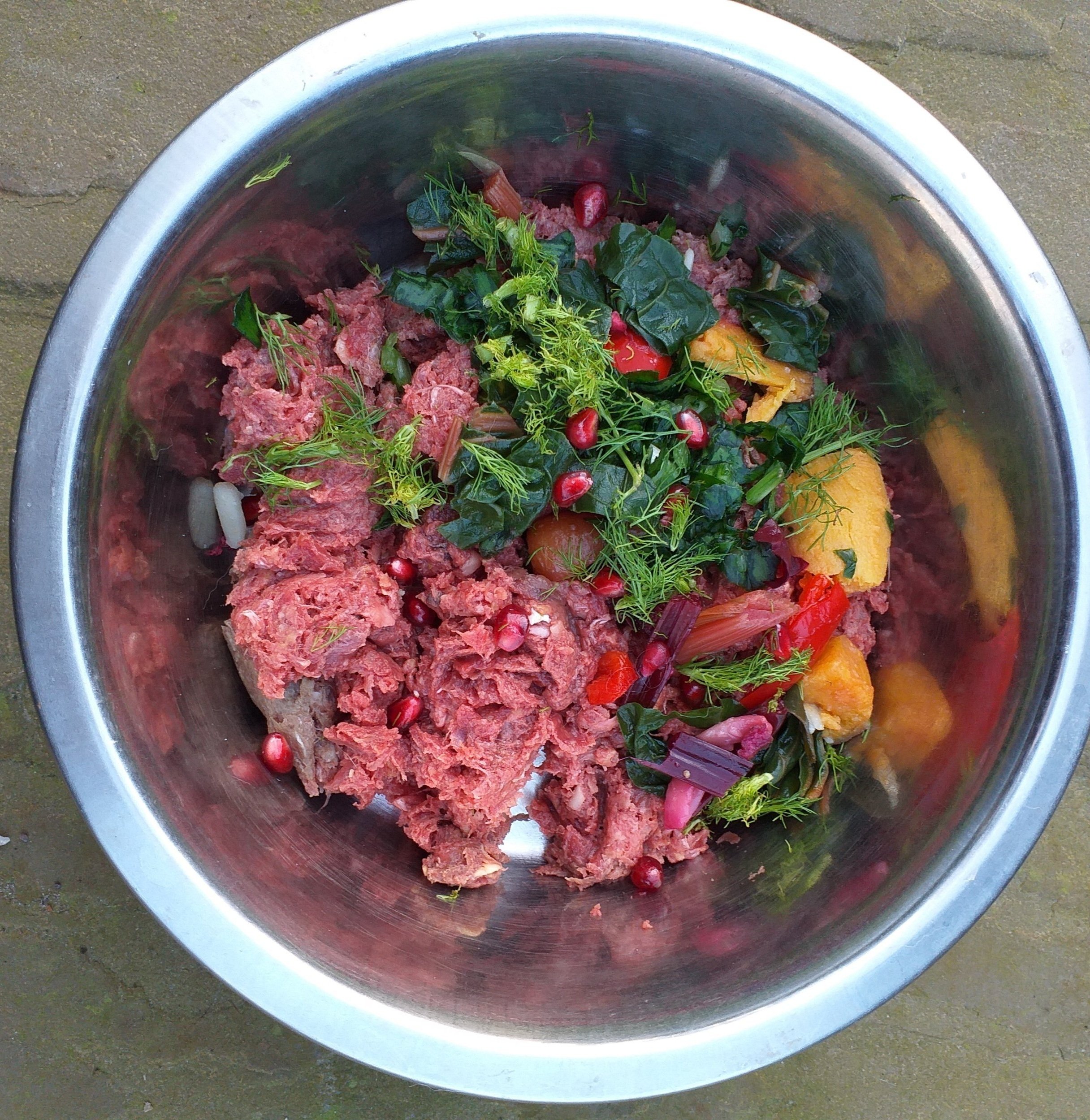
Due to the fact that dogs cannot digest the cellulose in vegetables, the best way to serve is to blend in a food processor to break down the plant’s tough cell wall, until they resemble a thick smoothie consistency, which also mimics the partly digested contents of a prey animal’s stomach.
Other options would be to lightly steam them or finely grate them into the food.
If you want to make larger batches up or you are lucky enough to grow your own veg and have a glut in the summer, then the pureed, pulped veg can be frozen into ice cube trays or pots for convenience.
If they are served whole many dogs just lift pieces of veg out, eat around them in the bowl, or pass them out the other end undigested, to make full use of the nutrients they need to be broken down.
A good feeding guideline would be 7% vegetables and 3% berries, although if you are looking to reduce the overall cost of home-prepared food, or if the dog needs to lose weight, then more veg can be added to make up a quarter of the meal.
The addition of vegetables will change the overall percentages, so subtract from the muscle meat and not the bone or offal which provides the calcium and vitamins. So, for instance a usual 80-10-10 ratio would become 70% (meat) 10% (bone) 10% offal and 10% vegetables.
Start off with a small amount and then monitor how your dog is handling the inclusion of vegetables in his diet.
It is not essential to feed vegetables every day, but even three times a week will be beneficial, rotating different types and changing with the seasons where possible

www.hedgerowhounds.co.uk
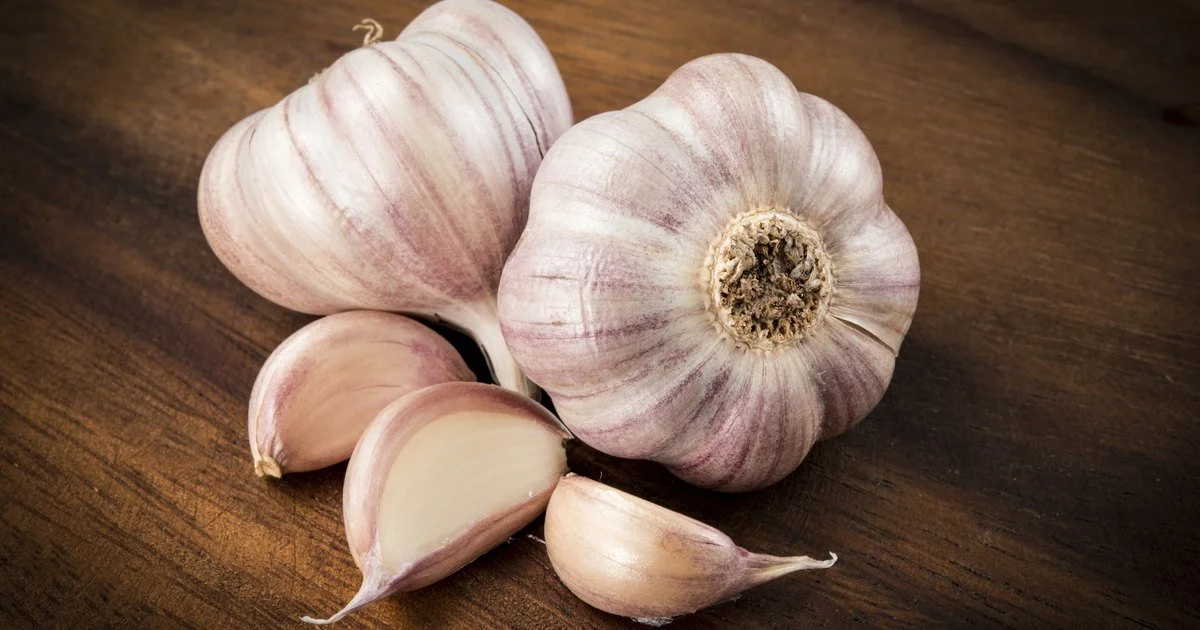
Garlic- Friend or Foe?
If there is one ingredient that causes controversy in the diet of dogs that would have to be garlic. Some people swear by its health-giving properties and others would never consider feeding it to dogs.
Garlic tends to be grouped in with all members of the onion family, which can be very toxic to dogs.
Garlic (Allium sativum) is a pungent member of the onion family. It grows as a bulb which contains between 10-20 individual teardrop shaped segments called cloves.
It has long been used to enhance the flavour of our meals and for its medicinal use as it possesses antibacterial, antifungal and anti-parasitic properties.
It does however need to be fed with care when incorporating it into the diet of our dogs. The main reason for this is that garlic contains thiosulphate, which if consumed in large amounts or over long periods of time can decrease the number of red blood cells, resulting in Heinz body hemolytic anemia.
The active constituents of garlic include alliin, alliinase, quercetin, anthrocyanins, amino acids and volatile oils. Garlic contains 33 sulphur compounds and the compound that you can smell once a garlic clove is cut or crushed is called allicin.
Allicin is an unstable compound that dissipates rapidly when exposed to air and heat so for maximum effect it is best consumed within 10 minutes of crushing. The familiar garlic odour can travel throughout the body when consumed, and we can smell it on our breath and through our skin. This also applies to our dogs which is thought to make them more unpalatable to parasites of all kinds, hence why people use it as a natural preventative at certain times of the year.
When it can be useful:
Before adding any supplementation to your dog’s diet, it is important to establish what you are aiming to achieve by doing so and what benefits there are for your dog.
The most frequent reason for including garlic is for the control of parasites, be that internal or external in the form of fleas, ticks, and mites.
It can be a useful addition to the diet as a small part of the overall natural regime of preventing fleas and ticks if you live in a high-risk area of the country. If you intend on using garlic as a means of internal parasite control it is still essential that you regularly use faecal worm counts to establish that your natural method of worm control is working for your particular dog.
The only time I include a form of garlic into my dogs diet is during the short growing season of wild garlic, also known as Ramsons, which is a broad leaf garlic occurring in late spring with a much milder action than the pungent bulb garlic. I have also witnessed dogs self-selecting wild garlic whilst out on a walk and consuming small amounts of the leaf and flower as it emerges in the spring.
When to avoid:
Garlic can interact with certain medications such as insulin, heart medication, immune suppressants, blood thinners, chemotherapy drugs and it should also be avoided if your dog has any pre-existing anaemia.
There is believed to be an increased risk of side effects in the Akita and Shiba Inus, so if you have these breeds, it is advisable to research further before use.
Due to its blood thinning properties, it is recommended that garlic is removed completely from the diet for two weeks prior to any surgery and for a week post-surgery.
Avoid feeding to pregnant and lactating females and bear in mind that it can taint the milk.
Do not feed to puppies under six months of age and use caution in dogs that are 6 – 12 months of age.
How to feed:
If your dog doesn’t have any of the contraindications mentioned earlier and you want to include garlic into your dog’s diet then here are a few guidelines.
It is not recommended or necessary to feed garlic in large amounts or for a long period of time. If you feel that it will be a useful addition over the summer months for added flea control, then freshly crushed garlic will be more effective from smaller doses.
Dosage:
Due to the incredibly pungent aroma and bitter taste of fresh garlic it is highly unlikely that even the greediest of dogs will want to eat large amounts in one sitting or consume it on a very regular basis.
So, if your dog is not on any contraindicated medication or has any existing health issues which could be compromised by feeding garlic, the following dosage for short term use should not cause any problems.
Based on the guidelines of holistic vet, Dr. Karen Becker, she recommends freshly crushing a clove of garlic, setting it aside for 10 minutes before adding to the food at a rate of quarter of a teaspoon for every 15 pounds (6.8kg) of bodyweight. This suggested dose is for use 2-3 times a week, just for the duration of the flea and tick season and not all year round.
This does also depend on your dog’s tolerance of garlic, as it can cause intestinal upset and if they find it palatable enough to eat in their meals.
As a rule, one clove, when crushed or sliced equals one teaspoon of garlic.
You can of course buy a garlic supplement specifically for dogs in a tablet form and because these are more palatable than fresh garlic it is important to follow the dosage guidelines of the product carefully.
Caroline Hearn MICHT, Dip.ICAT. MIAAT
Sports & Remedial Massage and Canine Holistic Therapist
LAMENESS AND REPETITIVE STRAIN IN DOGS
While supplements can be a big help in supporting joint health and controlling inflammation they will be of limited benefit unless there are positive exercise & lifestyle changes.
Caroline Hearn MICHT. MIAAT. Dip.ICAT Dip MLD Dip. Myofascial Release.
Human, Equine & Canine Sports & Holistic Therapist
As a canine massage therapist I see many dogs with injuries and lameness caused by repetitive strain, which can easily be avoided or kept to a minimum with some lifestyle changes. The main causes seem to crop up time and time again so here are the most common factors and ways to avoid injury to your dog.
Ball and Frisbee throwing:
Constant chasing after a ball or combined with leaping in the air to catch a frisbee is probably one of the main causes of injuries, lameness and strain that I see. The action of a burst of energy followed by a sudden stop, a skid then a rapid turn will put huge strain on the dogs shoulders, forelegs, neck, pelvis and spine.
Like us, dogs will favour one side of their body so will always prefer to turn in the same direction causing over use of muscles and joints. This repetitive action is very unnatural for a dog and if left to chase and hunt in the wild they would never continuously sprint with a sudden halt afterwards.
Also ball throwing for some dogs can mean they are on a constant adrenaline high so causing emotional as well as physical stress. This sort of exercise can cause micro trauma often not shown by the dog at the time of chasing as the sheer thrill they get can often mask any discomfort. But with time the dog will compensate for the discomfort elsewhere in their body and become lame. Instead, encourage hunting for a hidden ball or a treat in some undergrowth and reward with either giving the dog the ball to carry or a single retrieve of a ball placed ahead. Keep it to an absolute minimum and find other ways to interact with your dog . Always warm your dogs muscles up with at least 5 minutes on the lead before letting them off to run at speed.
2. Jumping out of cars, off furniture and down stairs:
All these activities put a lot of strain on your dogs shoulders and forelegs. The added problem with jumping out of the boot of cars is that your dogs muscles will be cold and it is often from a great height onto a hard surface, usually followed by immediately running off to start a walk. Teaching your dog to use a ramp will save so much strain on their body. Read our blog https://www.hedgerowhounds.co.uk/news/teaching-your-dog-to-use-a-car-ramp for more advice
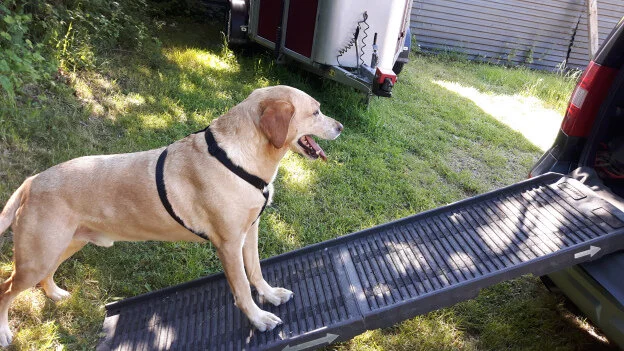
Teaching your dog to calmly go up and down a car ramp is so important. Invaluable for young dogs, elderly or frail dogs or those recovering from injury or surgery. Saves a lot of strain on your own back too if you are currently lifting them in and out of the boot!
Stair gates are really useful for preventing dogs running up and down stairs and providing a comfortable and supportive bed for them near to you to encourage them not to lay on the furniture. Small dogs can be lifted off the sofa or a ramp used for larger dogs.
3. Slippery Flooring :
Dogs falling and slipping on laminate or tiled floors can cause so many injuries and really make an older dog lose their confidence. Use non slip mats and rugs in the areas that the dog uses and also around their bedding and in particular food and water bowls. Dogs with arthritis or mobility problems are better eating and drinking from raised bowls and make sure they are on a non slip mat. They find lowering their head difficult so often splay their legs in order to reach, this can cause really nasty falls and make them nervous at feed times.

Raised bowls for water and food can be made cheaply by stacking bowls together until you reach the ideal height for your dog. Always place on a non slip surface.
4. Inappropriate Exercise:
Problems can occur when dogs exceed their fitness levels or are taken beyond their capability due to age or mobility.
Some dogs have to make do with a quick stroll round the block in the week but are taken out for hours at the weekend and become exhausted making them more susceptible to injury such as cruciate ligament strain or tears.
Puppies and young dogs should be exercised very carefully as their bones, joints and growth plates are prone to injury causing lifelong issues.
Senior dogs should not be forced to walk but allowed to go at a pace that they are comfortable with and which improves their mobility. It is so upsetting to see old dogs being made to walk beyond their comfort zone and it causes pain, crushes their spirit and is detrimental to their long term welfare.
Dogs that pull hard on the lead and lean right over to one side almost scrabbling along are heading for joint and muscular damage. Use a harness and teach your dog to walk calmly at heel or enlist the help of a reputable trainer or behaviourist . It will be money well spent and save a fortune in vets fees long term.
Adapting your dogs routine will ensure many years of injury free activity and ease of movement in their senior years. There are some good supplements available to help support joint pain and inflammation and used in conjunction with long term lifestyle changes they can be really beneficial. Although the use of supplements can be helpful, they have limited value unless they are used in conjunction with lifestyle changes and there has been an accurate diagnosis as to the source of the pain and mobility problem.

Skin Care Essentials
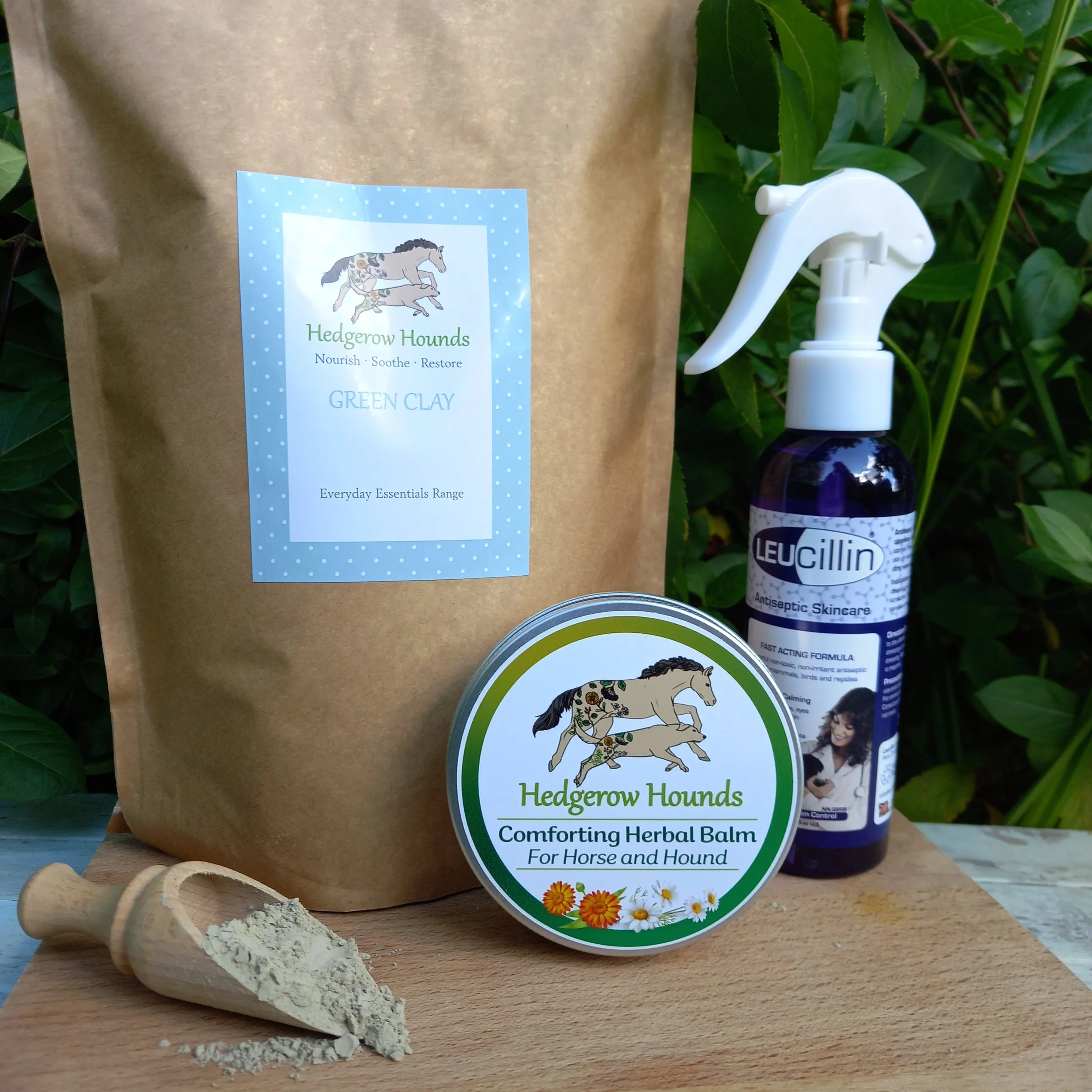
Caring for our animals in Summer & Winter brings many challenges, not least trying to maintain a healthy skin, avoiding sores and cuts and effectively dealing with skin abrasions that can occur.
There are four products that I wouldn`t be without at any time of the year but they really are an essential in the colder and wetter months in order to quickly deal with any issues and prevent infection taking hold.
GREEN CLAY has excellent drawing properties so can be used for drying up wet eczema and hot spots and helping control infection in wounds and abscesses. Green Clay is so versatile and can be used for dogs, cats, horses, sheep and other livestock. It forms a protective layer over injuries and also naturally repels insects. I have found when treating horses and livestock which are troubled by flies, a drop of tea tree or lavender essential oil into the wet clay can further aid in repelling flies away from the treated area.
Used dry, it has a calming and soothing effect on a dog’s itchy or traumatised skin, breaking the itch, scratch cycle and is completely safe should your dog accidentally lick or consume it. The clays perfect partner in dealing with wounds, sores and fragile skin is Leucillin, they compliment each other beautifully.
Green clay can be made into a thick paste with a little water and spread onto the effected area. This acts as a protective barrier for sore or fragile wounds and as the clay dries, moisture is drawn away from any wet areas of skin. It is now available in two sizes (250g & 650g bags) on the shop https://www.hedgerowhounds.co.uk/products/green-clay
Leucillin Is an extraordinary product that I have to hand at all times. It works wonders on so many skin issues, wounds, cuts and scrapes as well as an effective and kind skin cleanser, with the added bonus that it doesn`t sting on application. It also makes a brilliant hand sanitiser!
It is available in four sizes from the small dropper bottle which is ideal for use to cleanse eyes, for tiny animals or those that are very scared by the sound of sprays, to the large 500ml spray which is great value for larger animals such as horses or livestock or a multi dog household.
Leucillin contains the active ingredient Hypochlorous, this is a naturally occurring chemical in the body produced by white blood cells. Hypochlorous is one of the most effective and efficient biocides known to man. Whilst being totally safe, it is 300 times more effective than bleach and is almost instant in its effect. Hypochlorous is a natural chemical already existing in the body, so animals that have shown a sensitivity with other products in the past, will not suffer any adverse reactions to Leucillin. It`s 100% safe to use on sensitive areas such as, cuts and open minor wounds and is completely harmless should it be licked off the treated area. https://www.hedgerowhounds.co.uk/products/leucillin-antiseptic-spray
Healing Balm A versatile healing balm that can be used on minor cuts, scrapes, sores or dry skin. Perfect as a paw balm for dry and cracked pads or for crusty noses, mud fever and general winter skin woes.
Ideal to use as a protective barrier and the perfect partnership with Green Clay & Leucillin
A beautiful blend of Sweet Almond, Coconut oil, Beeswax and a selection of herbs including Calendula for its anti-inflammatory & moisturising properties, Plantain to promote healing, Comfrey for its well known soothing & healing abilities, Yarrow as a wound healer and Rosemary for its anti-bacterial property. https://www.hedgerowhounds.co.uk/products/comfort-balm-horse-hound
The Photizo Vetcare is a valuable tool for health professionals and owners alike. Photizo has a powerful combination of pre-programed 31 second doses of pulsating red and infra red LED Phototherapy.
It is widely known for helping with arthritic and muscular conditions but it is also excellent for accelerating the healing of wounds, injuries and skin complaints. This is really important in the Winter months as even the smallest cut or wound can become infected due to wet, muddy and gritty conditions underfoot.
I have had excellent results treating a horse with severe mud fever that meant he was unable to be turned out in a paddock. The area was cleaned with Leucillin and a twice daily treatment with the Photizo meant that the healing time was greatly reduced. When the skin was healed enough to allow turn out, a thick paste of clay was applied to the area for added protection.


Caroline Hearn MICHT, Dip ICAT. MIIAT - Human, Canine & Equine Sports Therapist
www.hedgerowhounds.co.uk
Adding Variation to Raw Diets
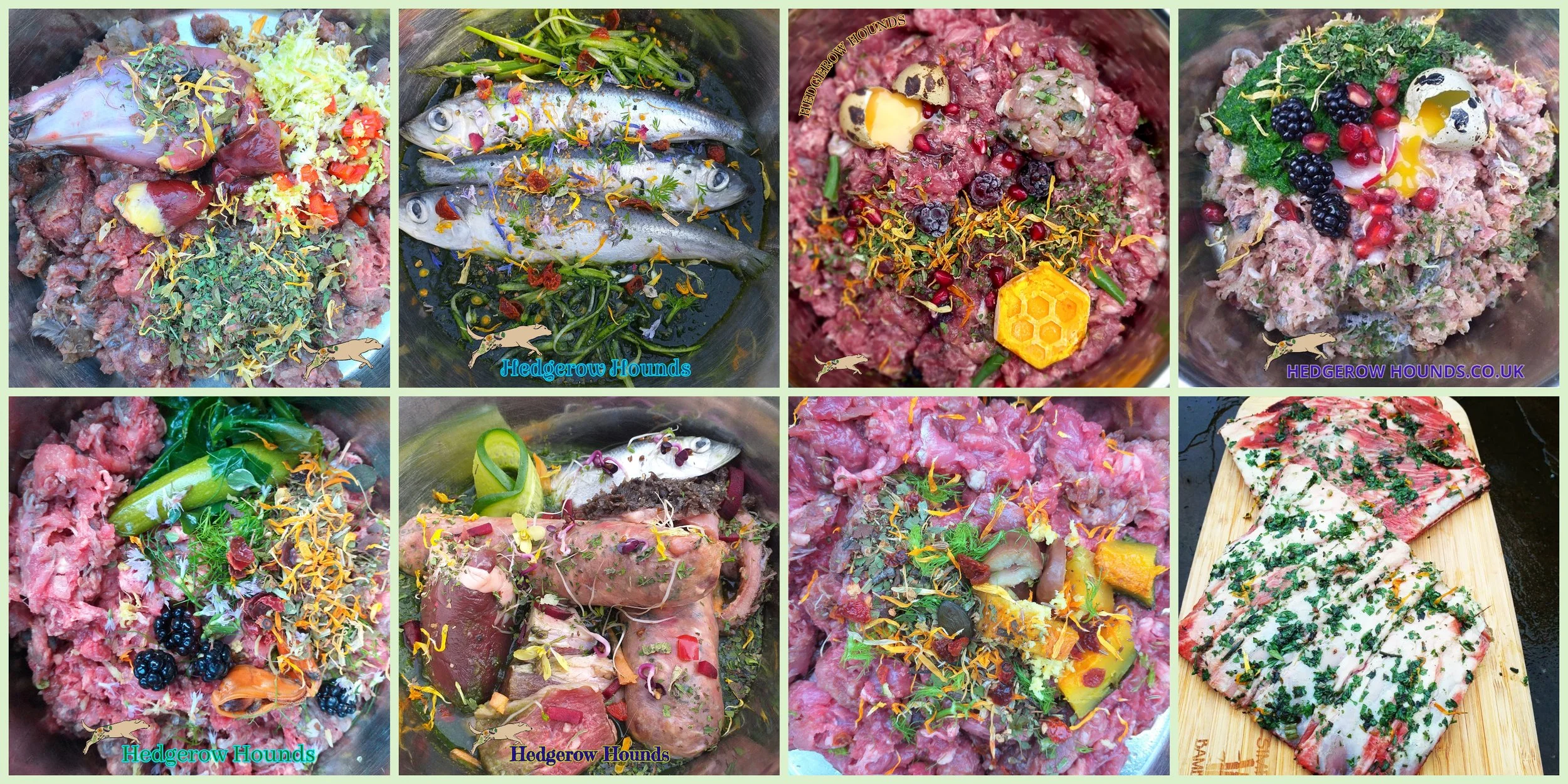
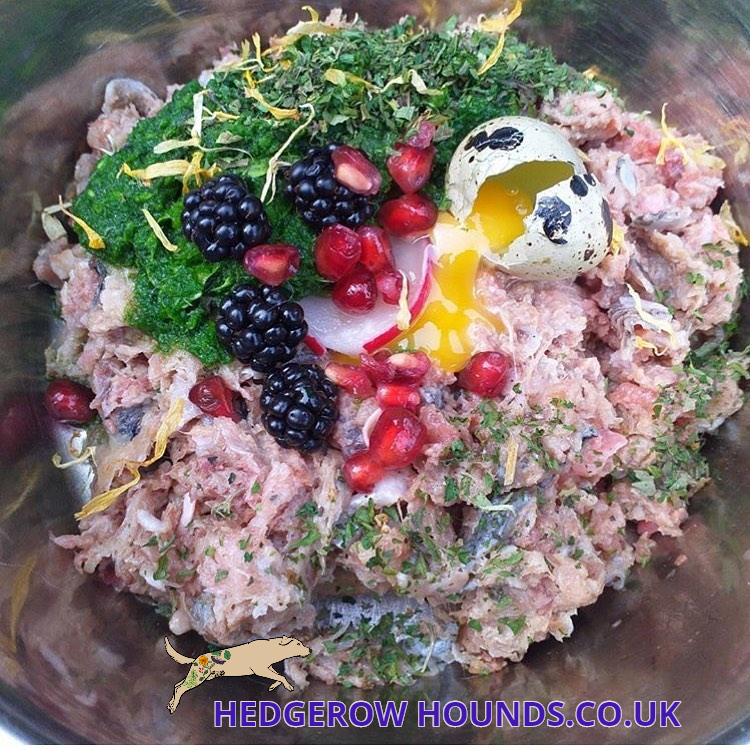
If you have been feeding raw complete minces for a while and want to start including some DIY meals, it is important to provide a variety of proteins in order to offer a broad range of nutrients and prevent any deficiencies.
Feeding a selection of fresh food and making full use of seasonal variation means that each meal is an opportunity to add nourishment, support good health, build immunity and increase vitality in our dogs.
Muscle meat
The majority of a raw diet is made up of muscle meat, and depending on which type of model you feed it could be as much as 80% as in the 80-10-10 (80% muscle meat,10% offal & 10% raw bone) or, in the Barf model 70%, allowing for the addition of vegetables.
Try and offer a selection of meat from different species, ideally 4 or 5 over a month if you can, plus an oily fish. This can include beef, chicken, turkey, pork, buffalo, venison, rabbit, tripe, guinea fowl, goat and lamb, etc.
Rotate white and red meat from different species but also vary the cuts within the same species. So, for example include chicken thighs rather than just feeding breast meat.
Replace some of the proteins with wild game when it is in season, such as pheasant, partridge, duck and venison.
If free range or grass-fed proteins can be introduced, even in small quantities, there is higher nutritional value, particularly with levels of Omega 3 fatty acids.
When making DIY meals for your dog it is important to establish the difference between what is fed as muscle meat and what is offal, that way you can calculate the 10% offal ration (5% liver, 5% other offal) into your meal plan.
Heart
Although the heart is an internal organ it is often confused as being offal when actually it is a muscle, and a very hard working muscle at that!
Where it does have its similarities is the amount in which it is fed.
It is a rich meat, high in blood content, which like liver can cause diarrhoea if fed in large amounts.
Introduce slowly and work up to between 5% and 10% until your dog can tolerate it. It is not required in large amounts or on a daily basis, but you can incorporate it into the diet within your monthly food balance plan. It is a nutrient dense addition and generally it is cheap to buy, having fallen out of fashion in our own diets over the years.
Heart is high in taurine, iron, folate, carnitine, thiamine, conjugated linoleic acid (CLA), gamma linolenic acid (GLA) selenium and B vitamins.
It is particularly high in Coenzyme Q10 (CoQ10) which is needed to optimize heart rhythm. As CoQ10 levels decrease with age, it is a valuable addition to your senior dog`s diet. Trials show that heart failure patients have low levels, and supplementation can help to stabilise the disease.
With twice as much collagen and elastin as other muscle meat it is a perfect dietary addition for working or competition dogs to prevent fatigue, as well as providing added support for the musculoskeletal system.
Tongue
This is another protein that’s regarded as muscle meat which can be a little high in fat, so is one to limit if your dog has a pancreas issue or is on a strict weight loss plan.
Gizzards
Chicken, duck and turkey gizzards have goods levels of iron, selenium, zinc, riboflavin, niacin, choline, copper and vitamin B12. Gizzards are fed as muscle meat.
Lungs
Lungs, also referred to as “lights,” have some muscle meat and some organ content, so don`t really fit into one specific category.
It can cause loose stools if fed in large amounts or if fed alongside offal, so although a worthwhile addition it is best to limit the amount fed in a single meal and not to exceed 15%.
Trachea
Great as a natural chew to clean the teeth, and particularly helpful for senior dogs who can no longer handle bones due to missing teeth or gum problems. Trachea is naturally high in glucosamine and chondroitin so supportive to joints. Lamb tracheas are better for small dogs and beef tracheas are suitable for medium to large dogs.
Offal
Offal makes up 10% of the diet, 5% of which should be liver and the other 5% made up of kidney, spleen, pancreas, testicles and brain. Offal is different from muscle meat in that they are internal organs which secrete.
The inclusion of offal in the raw or home cooked diet provides an abundance of vitamins and minerals. Just introduce into the diet very gradually and adjust to what your dog’s system can cope with to avoid stomach upsets.
Liver
Liver is the most nutrient dense of the internal organs and makes up 5% of the offal requirement in your dog’s diet.
If you are buying complete meals, you will see on the label that it states 5% liver and 5% other offal.
It provides an abundance of vitamin A, copper, vitamin D, vitamin K, vitamin C, vitamin E, folic acid, choline, vitamin B6, B12, magnesium, iron, thiamine, riboflavin, niacin, folate, selenium, biotin, calcium and phosphorous.
Some people feed liver just twice a week and others, due to the dog’s sensitivity to larger amounts, just add a small amount every day.
Kidneys
Kidney would be added to make up the other 5% of the offal requirement, possibly mixed with one of the others on the offal list.
It is a good source of vitamin B12, B6, riboflavin, carnitine, iron and folate.
Pancreas (sweetbreads or thymus)
Pancreas is not always easy to get hold of, but you can ask your butcher or food supplier to source some for you.
It contains a rich supply of digestive enzymes and is a worthwhile addition to any dog’s diet but is particularly good if you’re feeding a dog with a pancreatic insufficiency.
Spleen
Spleen is another organ that can be difficult to find but can be ordered from a butcher, or you can ask your food supplier if it is included in any of their offal mixes.
It provides good levels of iron, niacin, riboflavin, vitamins B12 & B6, selenium, zinc, and a broad range of amino acids.
Fish and Shellfish
Most modern-day diets, for ourselves and our dogs, are too high in Omega 6 and 9 due to processed grains, cereals and vegetable oils, which can lead to inflammation, faster aging and can predispose the body to disease.
In contrast, Omega 3 fatty acids offer a wealth of health benefits including anti- inflammatory properties, healthy skin & coat, normal metabolism, joint health and slowing the ageing process as well as supporting brain and cognitive function.
As you can see, this is an important addition to the diet of dogs with skin issues, joint pain, and is an essential for senior dogs in particular.
Feeding the actual fish has far more benefits than fish oil, which can quickly go rancid, causing the inflammation we were trying to prevent.
Pollution is also a consideration when choosing fish. The cleanest are:
· Sardines, mackerel, pilchards, herring, sprats, halibut, anchovies, whitebait and trout.
· Mussels and green lipped mussels are good for joint health.
Other forms of Omega 3 are hemp oil, chia seeds, flax seed oil, seaweed, eggs, pumpkin seeds and phytoplankton.
Should your dog hate raw fish and completely refuse to eat it, then the tinned sardines, pilchards or mackerel are a good substitute in either spring water or tomato juice which can be gently rinsed off or drained.
Try and include an oily fish into your dog’s diet two to three times a week.
Eggs
Eggs provide a high quality, complete source of amino acids which are the building blocks of protein.
A good source of vitamin A, vitamin B12, riboflavin, iron, folate, zinc, selenium, fatty acids, choline, fat soluble vitamin E, D and K.
Just one egg will provide 13 essential vitamins and minerals, including lutein which is essential for eye health.
Free range eggs offer far greater levels of nutrition as the birds would have benefited from a natural lifestyle of foraging and have had sunlight on their backs.
Duck eggs have a larger yolk to white ratio and are higher in protein, fat and contain more Omega 3.
Quail have larger amounts of vitamin B1 and 5 times as much iron and potassium as hen’s eggs. Their protein value is 13% compared to 11% in hen’s eggs. Quail eggs rarely cause allergies, so certainly worth a try if your dog can`t usually tolerate hens’ eggs.
Bones
Raw edible bones will make up on average 10% of your dog’s meals but sometimes as much as 30% and are an important requirement of the diet.
Bones provide calcium, phosphorous, magnesium, potassium and, depending on the type of bone fed, a supply of fat, cartilage and collagen.
They are also needed in the diet to keep the stools firm, and while most dogs will be fine with 10% bone, occasionally you will come across dogs who require more to keep their faeces firm, and others who will always need offal or vegetables in their diets in order to cope with 10% or they become constipated. Therefore, it is important to feed each dog as an individual.
Raw bones are regarded as either edible, which add to the calcium quota, or recreational, which provide very little calcium but give mental stimulation and teeth cleaning benefits.
Edible bones are raw bones that are completely consumed, usually in one sitting. Examples would be chicken and duck wings, lamb ribs, chicken backs, chicken and duck feet, chicken necks and pigs trotters.
Vegetables and Berries
The inclusion of vegetables, herbs and berries in the diet provide, phytonutrients which are compounds found in plants with health giving properties, anti-oxidants which protect cells from free radicals and dietary fibre that acts as a prebiotic to stimulate the growth of beneficial gut bacteria.
Look to add some vibrant leafy green to your dog’s meals, such as kale, spinach, parsley, broccoli, chard, dandelion leaves and red and purple berries including raspberry, blueberry and blackberry.
Start off with a small amount and build up to approximately 10-15% of the meal, if this suits your dog. Vegetables need to be either lightly steamed or feed raw and put into a blender to make a thick puree, this will break down the tough cellular wall in the vegetables and make them more digestible.
Caroline Hearn - Hedgerow Hounds
www.hedgerowhounds.co.uk
The Importance of Nail & Paw Care in Dogs
Keeping your dogs nails trimmed is important for their wellbeing and an essential when managing mobility problems.
Caroline Hearn - MICHT. Dip. ICAT, Canine & Equine Sports & Holistic Therapist
Over long nails are not only prone to getting caught and torn but there are a number of very important reasons why it is wise to keep your dogs claws fairly short.
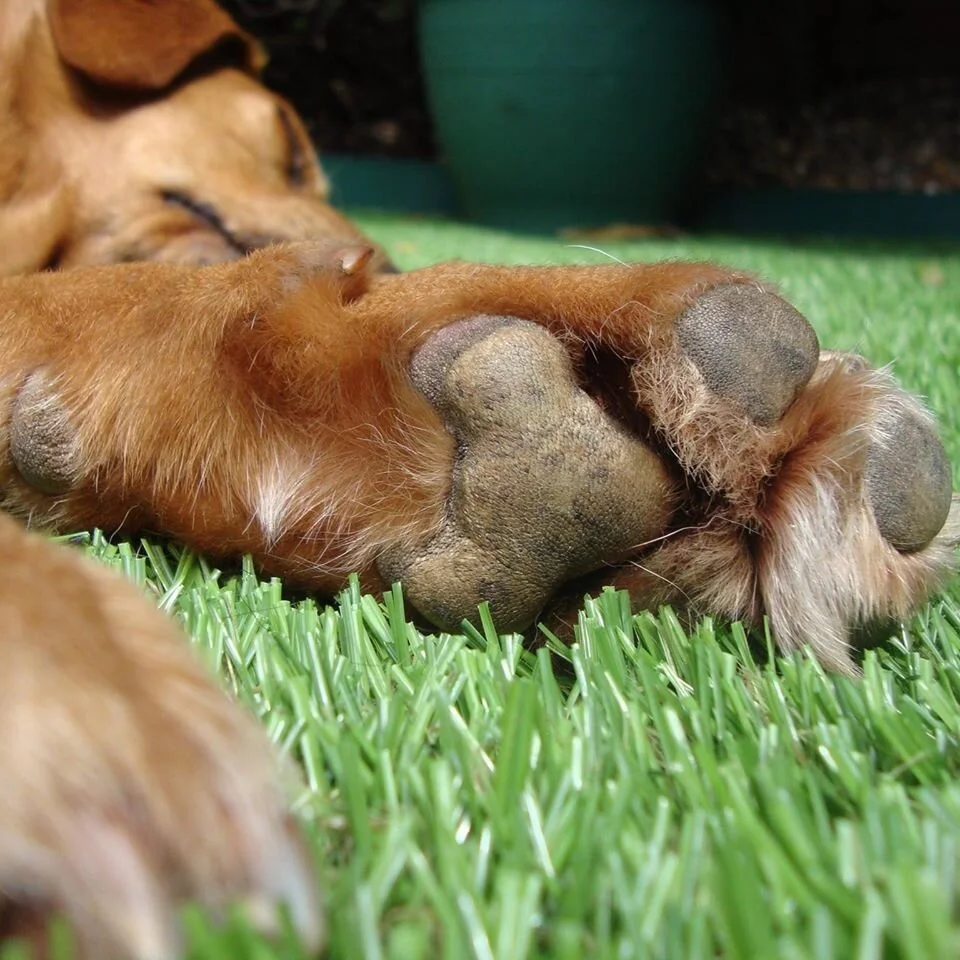
Claws which are too long can cause pain in the toes and put additional strain on the tendons and joints. The weight is distributed backwards and causes the pad to flatten so lessening the shock absorbing properties of the pads.
After time the dogs movement is compromised and this can add strain to the shoulder and elbow joints. In normal movement as the paw hits the ground and the metacarpal or palmar pad which is the largest pad touches the ground first, then the weight is rolled forward onto the digital pads of the toes as the foot prepares to leave the ground again. This should be an easy and smooth process causing no strain, but if the dog has over long claws it is usually these that hit the ground first causing discomfort and strain higher up the leg which will eventually cause compensatory movement.
So what can be done about trimming over long claws ?
As the claws grow down so does the sensitive quick contained within so it is something that will take some time to correct. The good news is that if a very small amount of nail is cut or filed away every few days then the quick will have time to recede so you can then start the process of shortening the nails safely.

If you are confident with the clippers and your dog allows you to do it, then take a small amount off maybe once a week either with clippers or a file. Obviously dogs with white nails are easier as you can often see the quick as a guide. With black nails always err on the cautious side and do little and often.
Include the dew claws, which are often forgotten as they are tucked away on the inside of the leg and sometimes hidden by the coat. These claws grow quickly as they are not in contact with the ground and can often curl round and dig into the skin if they are not regularly trimmed. Dew claws are an essential stability aid for active dogs and assist in stabilising the lower limb and while turning at speed.
If you are nervous of cutting the nails or your dog is very difficult then ask if the veterinary nurse can help. Once you are on top of it then you can maintain the length yourself with nail trimmers or the battery powdered nail grinder which is made specifically for gradually shortening dogs claws.
Walking on pavements a couple of times a week should help keep the nails short but also it strengthens the pads, ligaments and tendons within the foot.
It is also important to trim excess long hair from underneath the pads as this hair will cause slipping on flooring and also mat up and form into knocks or clumps of hair, making standing and walking uncomfortable.
Products
There are a number of products which can help keep the pads, paws and nails in excellent condition.
Adore the Paw - Healing and Paw Balm https://www.hedgerowhounds.co.uk/products/adore-the-paw
Green Clay https://www.hedgerowhounds.co.uk/products/green-clay
Leucillin https://www.hedgerowhounds.co.uk/products/leucillin-antiseptic-spray
