Be Lungworm Aware

Lungworm is becoming an increasing threat to dogs all across the UK due to a number of reasons including a milder and wetter climate and the increase in the number of urban foxes covering a larger area.
There are three main types of lungworm that dogs are most likely to become infected with:
Oslerus osleri (dog lungworm), Crenosoma Vulpis (fox lungworm) and Angiostrongylus vasosum
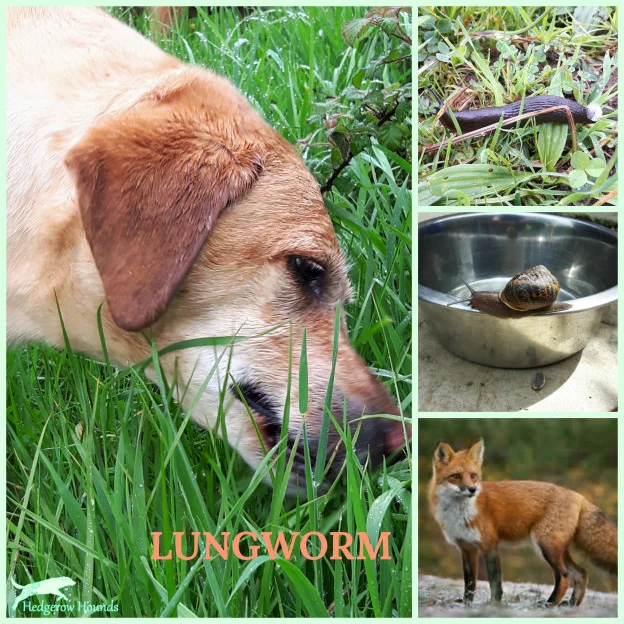
The lungworm needs a host such as a slug, snail, fox or sometimes a frog in which to grow and develop. The dog then, sometimes accidentally, eats a slug possibly on blades of grass, on a dog toy or water bowl or comes into contact with infected fox poo.
Approximately 3 days later the larvae can be found in the dogs stomach and then they proceed to migrate to the lungs where they continue to mature until they can lay thousands of eggs which are coughed up and are passed via the dogs faeces. The only difference with fox lungworm is that the mature worms live in the airways of the lungs and the trachea.
The parasite doesn`t pass directly from dog to dog, and other dogs in a household can be completely unaffected by it. The larvae do however pass out in the faeces of the infected dog so there is the potential for the infection to be spread that way.
Slugs and snails are partial to dog poop so if it is left out in the open they will crawl all over it and consume some, therefore becoming infected by the larvae and if eaten by a dog or a fox the cycle starts again. So it is crucial that any dog poo is picked up immediately before slugs and snails have access to it. Also avoid leaving water bowls outside at night and bring in any bones or dog toys to prevent contamination.
The biggest worry with lungworm is that occasionally there are no symptoms present until the disease is at a critical level, hence the importance of taking a regular worm count.
There are many symptoms that are usually present these include :
General lethargy and intolerance to exercise
Breathing difficulties and noisy breathing
Loss of weight even though the food is increased
Sore throat, swallowing hard and developing a cough or gag reflex
Staring into space and a change of temperament, unusually unsettled
Discharge or bleeding from the nostrils
Chest infection or pneumonia
Pale mucus membranes of the eyes and gums
Excessive bleeding even from a tiny wound and blood shot eyes
Collapse and seizures
The easiest way to regularly test for lungworm is by a faecal count. If your dog has had lungworm before or you are in an area of high risk then it is advised to test every 3-4 months or sooner should any tell tale symptoms appear.
The company I use is www.wormcount.com and I can highly recommend them.
Due to the fact that lungworm don`t shed larvae every day it is necessary to collect a small sample from 3 days worth of poo in the hope that they are shedding on one of those days. If your dog has had lungworm it is really important to send off another test within 3 months as they may still be carrying the worms but they were not shedding larvae on those particular days of testing. There will be a blood test available shortly which gives results with 15 minutes which is obviously a great help if your dog is showing severe symptoms by that stage and a speedy diagnosis can be life saving. Currently the faecal results take from 1-3 days to come back.
Although the fox lungworm can cause serious breathing problems and additional complications it rarely causes death unlike the other types of lungworm, but it should always be treated as an emergency to prevent the deterioration of the disease.
Due to the fact that the larvae are only in the stomach for a short while there is a short window of opportunity to influence them with alternative prevention before they migrate to the lungs and trachea. If products such as Verm-x or Four seasons are used it is usually necessary to give a larger or more frequent dose when preventing lungworm, so it is recommended that the product manufacturers are contacted for the dosage in this case.
These natural products are useful to use as a prevention but should NOT be used to treat a confirmed case of lungworn infection.
Caroline Hearn MICHT, Dip.ICAT, Dip.MLD
Canine and Equine Sports & Holistic Practitioner
Feeding Vegetables to Dogs
There is a lot of conflicting advice about feeding dogs vegetables. Here we will explore which are suitable and what to avoid or keep to a minimum.

Should I add vegetables or not? If so which type?
So should we bother feeding vegetables to our dogs and will it even benefit them?
There are many benefits to including some fresh vegetables to our dogs diet. It is important that they are prepared in a way that our dogs can digest them either through cooking, steaming or blitzing to a smoothie. We should all be including more veg in our diets so maybe the easiest way is just to prepare a bit extra when you are preparing your own meals and then set it aside for your dog.
Phytonutrients
The term ‘phytonutrients’ is a name for a variety of compounds only found in plants that have a vast array of health-giving properties. They are covered in far greater detail in the vegetable and fruit section and are a useful way to provide additional micronutrients and antioxidants to your dog’s diet. If the inclusion of fruit, vegetables and seeds is a new experience for your dog, then start off by incorporating tiny amounts until his system adapts and you find the ingredients that suit your particular dog.
Probably the best known of the phytonutrients are carotenoids and flavonoids.
Carotenoids are plant pigments responsible for the vibrant red, yellow, orange and green hues found in vegetables, fruits and plants that can play an important role in protecting cells against harmful effects of light, air and pollution. Beta-carotene, lycopene and lutein are all different types of carotenoid that can easily be included in the diet. They act as anti-oxidants which protect cells from free radicals, which are substances that work to destroy cell membranes and DNA.
Foods that are rich in carotenoids are:
· Lutein: collard greens, Swiss chard, lettuce, spinach, kale and dandelion greens.
· Lycopene: red/orange bell peppers, watermelon, pomegranate, apples, mint and blackberries.
· Beta-carotene: carrots, sweet potato, broccoli and romaine lettuce.
· Flavonoids: These give berries their red, blue and purple colour and can be included in the diet in the form of blueberries, blackberries, raspberries and bilberries.
So, what does the inclusion of veg and fruit have offer to our dogs?
They provide a wealth of vitamins, minerals, anti-oxidants and fibre, including vitamins A, B, C, E and K, and minerals such as calcium, potassium and magnesium.
Anti-oxidants protect against many diseases due to the aging process, and for a degenerative condition such as progressive retinal atrophy a diet rich in anti-oxidants is the only known way to slow down the deterioration of this eye disease.
Fresh vegetables also encourage enzyme production and offer a gentle cleansing and balancing effect on the ph. levels of the body.
Depending on the type of vegetable, they provide soluble and insoluble fibre, which benefit the gut bacteria, and can bind to and remove certain toxins as well as adding bulk and moisture to the faeces.
With intensively farmed animals and soil depletion becoming a concern, our food is lacking in the level of nutrients that it provided many years ago, so the addition of vegetables, herbs, berries and some grains is a way to try and fill any nutritional gaps. The more variety we can add into our dog’s diet the less we will have to rely on dietary supplements.
An ideal herbal supplement in the Hedgerow Hounds range is Nature’s Boost, which combines vegetables, herbs, seeds & superfoods.
How to prepare and feed.
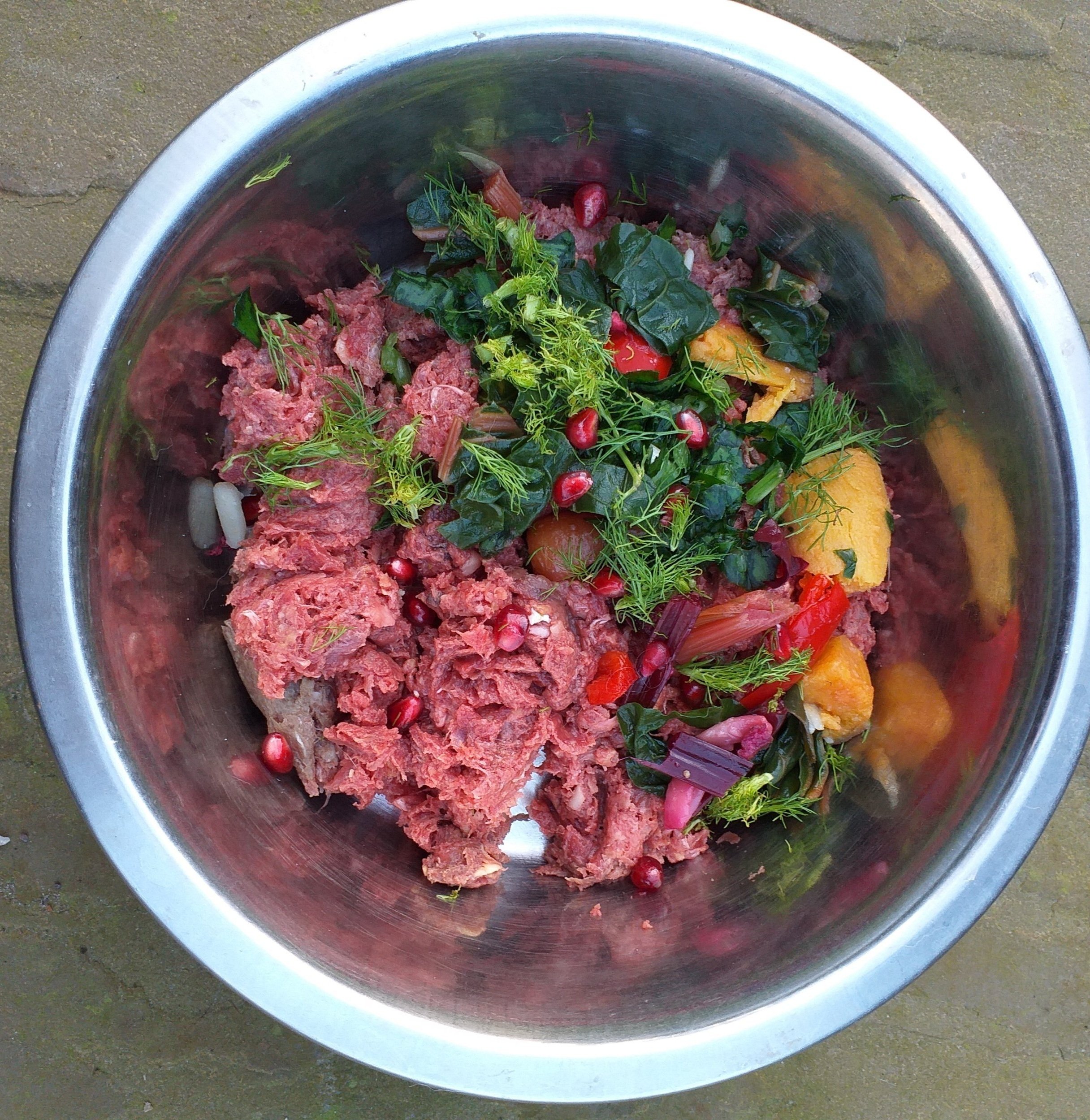
Due to the fact that dogs cannot digest the cellulose in vegetables, the best way to serve is to blend in a food processor to break down the plant’s tough cell wall, until they resemble a thick smoothie consistency, which also mimics the partly digested contents of a prey animal’s stomach.
Other options would be to lightly steam them or finely grate them into the food.
If you want to make larger batches up or you are lucky enough to grow your own veg and have a glut in the summer, then the pureed, pulped veg can be frozen into ice cube trays or pots for convenience.
If they are served whole many dogs just lift pieces of veg out, eat around them in the bowl, or pass them out the other end undigested, to make full use of the nutrients they need to be broken down.
A good feeding guideline would be 7% vegetables and 3% berries, although if you are looking to reduce the overall cost of home-prepared food, or if the dog needs to lose weight, then more veg can be added to make up a quarter of the meal.
The addition of vegetables will change the overall percentages, so subtract from the muscle meat and not the bone or offal which provides the calcium and vitamins. So, for instance a usual 80-10-10 ratio would become 70% (meat) 10% (bone) 10% offal and 10% vegetables.
Start off with a small amount and then monitor how your dog is handling the inclusion of vegetables in his diet.
It is not essential to feed vegetables every day, but even three times a week will be beneficial, rotating different types and changing with the seasons where possible

www.hedgerowhounds.co.uk
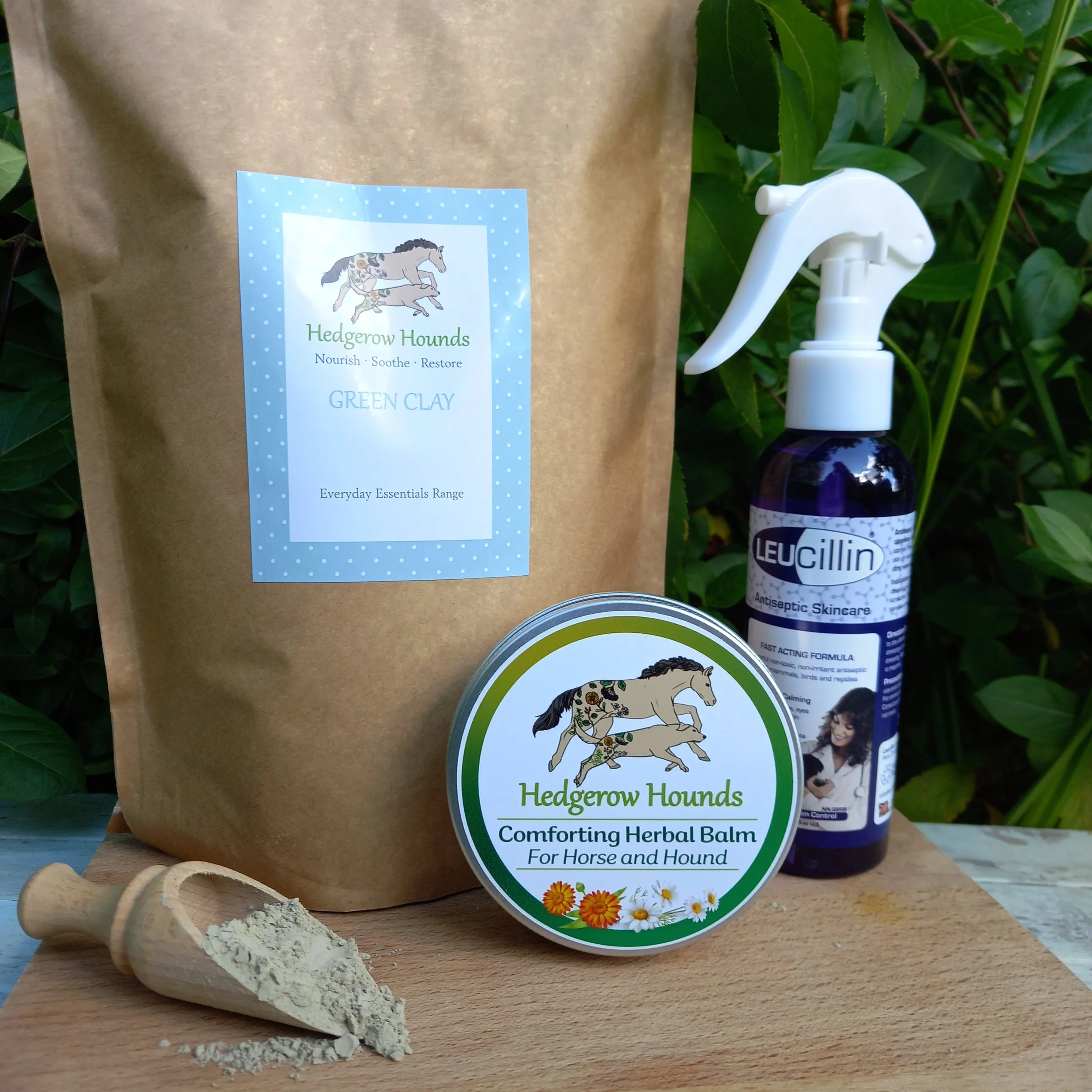
Skin Care Essentials
Caring for our animals in Summer & Winter brings many challenges, not least trying to maintain a healthy skin, avoiding sores and cuts and effectively dealing with skin abrasions that can occur.
There are four products that I wouldn`t be without at any time of the year but they really are an essential in the colder and wetter months in order to quickly deal with any issues and prevent infection taking hold.
GREEN CLAY has excellent drawing properties so can be used for drying up wet eczema and hot spots and helping control infection in wounds and abscesses. Green Clay is so versatile and can be used for dogs, cats, horses, sheep and other livestock. It forms a protective layer over injuries and also naturally repels insects. I have found when treating horses and livestock which are troubled by flies, a drop of tea tree or lavender essential oil into the wet clay can further aid in repelling flies away from the treated area.
Used dry, it has a calming and soothing effect on a dog’s itchy or traumatised skin, breaking the itch, scratch cycle and is completely safe should your dog accidentally lick or consume it. The clays perfect partner in dealing with wounds, sores and fragile skin is Leucillin, they compliment each other beautifully.
Green clay can be made into a thick paste with a little water and spread onto the effected area. This acts as a protective barrier for sore or fragile wounds and as the clay dries, moisture is drawn away from any wet areas of skin. It is now available in two sizes (250g & 650g bags) on the shop https://www.hedgerowhounds.co.uk/products/green-clay
Leucillin Is an extraordinary product that I have to hand at all times. It works wonders on so many skin issues, wounds, cuts and scrapes as well as an effective and kind skin cleanser, with the added bonus that it doesn`t sting on application. It also makes a brilliant hand sanitiser!
It is available in four sizes from the small dropper bottle which is ideal for use to cleanse eyes, for tiny animals or those that are very scared by the sound of sprays, to the large 500ml spray which is great value for larger animals such as horses or livestock or a multi dog household.
Leucillin contains the active ingredient Hypochlorous, this is a naturally occurring chemical in the body produced by white blood cells. Hypochlorous is one of the most effective and efficient biocides known to man. Whilst being totally safe, it is 300 times more effective than bleach and is almost instant in its effect. Hypochlorous is a natural chemical already existing in the body, so animals that have shown a sensitivity with other products in the past, will not suffer any adverse reactions to Leucillin. It`s 100% safe to use on sensitive areas such as, cuts and open minor wounds and is completely harmless should it be licked off the treated area. https://www.hedgerowhounds.co.uk/products/leucillin-antiseptic-spray
Healing Balm A versatile healing balm that can be used on minor cuts, scrapes, sores or dry skin. Perfect as a paw balm for dry and cracked pads or for crusty noses, mud fever and general winter skin woes.
Ideal to use as a protective barrier and the perfect partnership with Green Clay & Leucillin
A beautiful blend of Sweet Almond, Coconut oil, Beeswax and a selection of herbs including Calendula for its anti-inflammatory & moisturising properties, Plantain to promote healing, Comfrey for its well known soothing & healing abilities, Yarrow as a wound healer and Rosemary for its anti-bacterial property. https://www.hedgerowhounds.co.uk/products/comfort-balm-horse-hound
The Photizo Vetcare is a valuable tool for health professionals and owners alike. Photizo has a powerful combination of pre-programed 31 second doses of pulsating red and infra red LED Phototherapy.
It is widely known for helping with arthritic and muscular conditions but it is also excellent for accelerating the healing of wounds, injuries and skin complaints. This is really important in the Winter months as even the smallest cut or wound can become infected due to wet, muddy and gritty conditions underfoot.
I have had excellent results treating a horse with severe mud fever that meant he was unable to be turned out in a paddock. The area was cleaned with Leucillin and a twice daily treatment with the Photizo meant that the healing time was greatly reduced. When the skin was healed enough to allow turn out, a thick paste of clay was applied to the area for added protection.


Caroline Hearn MICHT, Dip ICAT. MIIAT - Human, Canine & Equine Sports Therapist
www.hedgerowhounds.co.uk
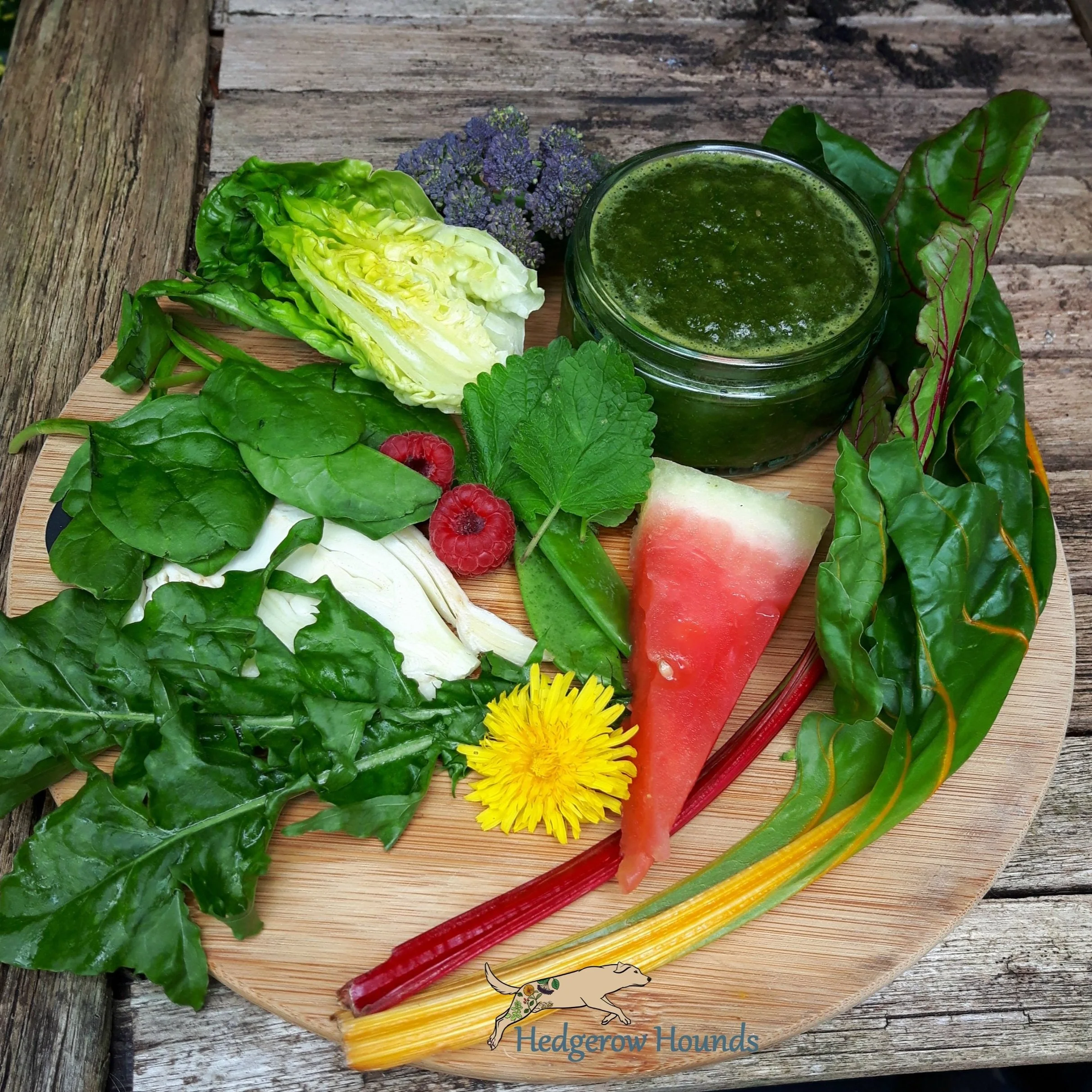
Green Dog Pesto - Spring
Spring brings with it lots of vibrant new growth, both in the veg patch and in the wild. It`s too good an opportunity to miss!

Full of fresh green goodness, this smoothie recipe for your dog, has a little twist in the form of added nuts and seeds.
Almonds are rich in vitamin E and Magnesium and Pumpkin seeds are a good source of zinc and selenium. As an alternative to almonds, a brazil nut can be added, but avoid using macadamia or any salted nuts.
At this time of year there is no shortage of seasonal greens, but the following are favourites of mine. Choose a few leaves from the following or add one or two to your dogs usual veggie blend.
Parsley, Basil, Little Gem or Coz lettuce, Wild Garlic, Dandelion leaves, Watercress, Cleavers, Spinach, Chard, Spring Greens, Asparagus stalks.
Many of these are easy to grow at home or can be foraged for and when freshly picked are even more nutritious.
You will need
A selection of Summer greens (approximately 2 cups full)
2 whole, un-blanched Almonds
5 Pumpkin seeds
Splash of water or make a tea from a Hedgerow Hounds herbal blend, Greens, Seeds & Superfoods or Natures Bounty as an example.
How to Make:
Place your selected leaves and any veggies into a smoothie maker or blender and add enough water or your herb tea to blend into a thick puree consistency.
Keep in the fridge and use within 2 days or freeze in individual moulds for later use
If your dog is new to eating vegetables, then start off with small amounts and gradually increase over a week or two. Steamed or pulped, (low GI and low starch) vegetables can make up around 10%-15% of your dogs meals and are a nice addition to any diet.
Caroline Hearn – Hedgerow Hounds
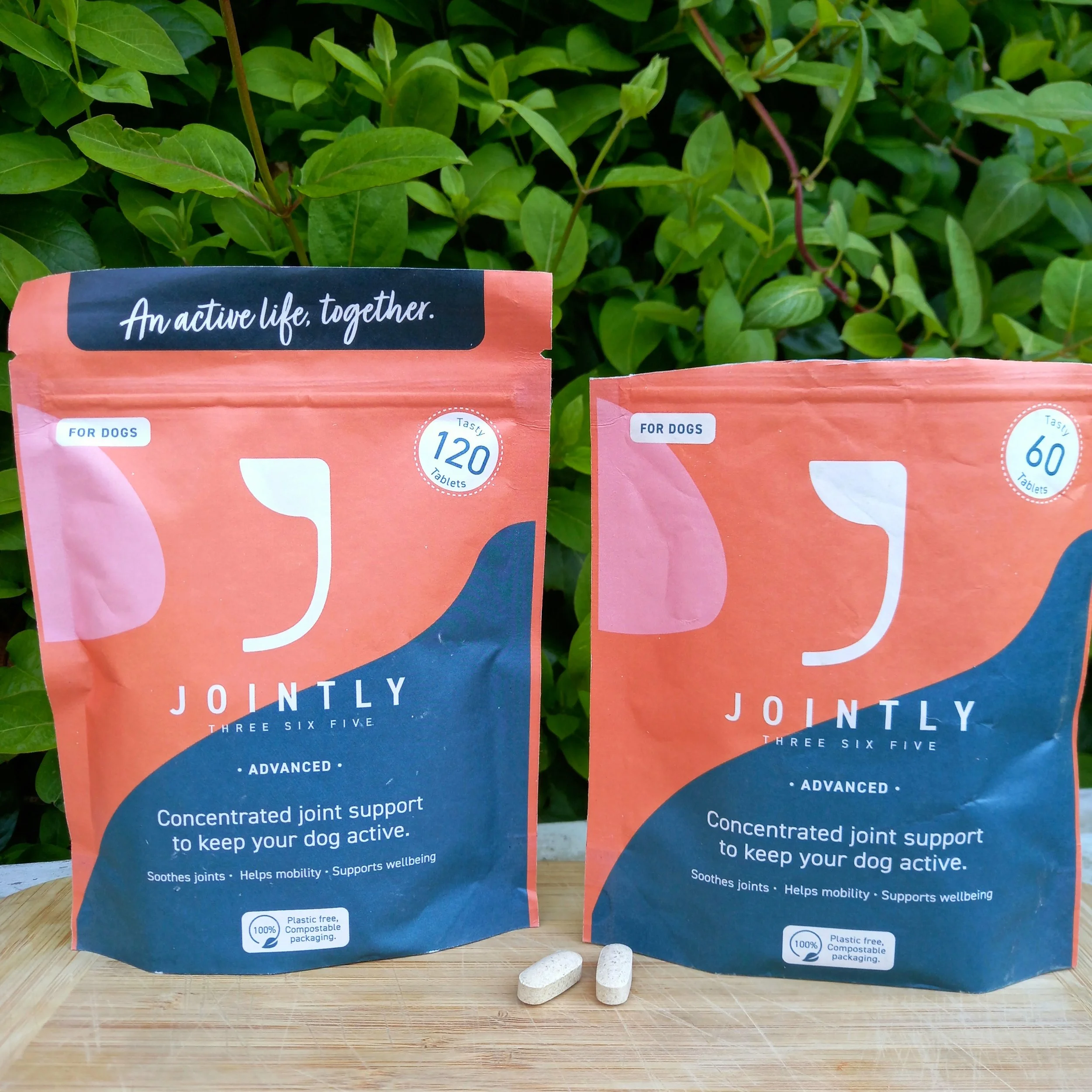
Joint Supplements for Dogs
Choosing a Joint supplement for our dog can be overwhelming. Andrew the founder of Jointly365, explains why researching the ingredients of a product is so important and ensures your dog gets the best joint support possible.
Here we consider the following:
What ingredients and why?
What to look for when choosing a joint supplement?
Introduction
We all know that as dogs progress from middle to old age they tend to decrease their levels of activity to some degree. This can be due to many reasons, but ageing and stiff joints are one of the most commonly seen.
Stiff joints are caused by the degeneration of the normal joint structure which leads to the aches and pains that become worse as they get older – which some of us may have experienced ourselves…..
There are many approaches we can take to this progressive condition - such as exercise and weight management, complementary therapies, or prescription medication - and though they will not be discussed here today, it is important to remember a holistic and multi-pronged approach to stiff joints is always the best way forward.
Today we will be discussing joint supplements - one of the most commonly used methods to help dogs with stiff joints.
But with so many out there to choose from, how do you choose one that is best for your dog?
My simple approach to this is there are only two things you can do with a supplement: soothe the stiff joints themselves, and provide the necessary structural ingredients that a joint requires to function as well as it can.
If you can successfully achieve both, you are on the right track. Only achieving one or the other, is a sub-optimal and unnecessary situation.
The provision of structural ingredients is a more simple topic, and will be looked at shortly, but soothing joints and working with the bodies own natural anti-inflammatory system is a more complex area.
One of the most studied and effective methods of achieving soothing joints is by using marine sourced omega 3 oils. These are a type of essential fatty acid – EFA (that has to be eaten as it can’t be made by the body – hence ‘essential’), which moderate the bodies inflammatory response, so helping aching joints. These are hard to provide at high levels in normal food due to rancidity problems during storage.
Even though only a few EFAs such as EPA or DHA are ever discussed, there are dozens of them that contribute to the overall effect in different ways. So the quality and balance of those is critical in achieving the results we want. Some fish oils and mussel powders are of poor quality for what we are trying to do in a joint supplement. And this is where the big issue lies for choosing products – it is hard to know which is which.
Those who are more sure of their product will have conducted a clinical trial and published it, so owners and vets can scrutinise the methodology and results. And you should be looking for high levels of cold water marine sourced Omega 3’s – enough to carry a regulated claim that it can “XYZ”.
The second part of the equation is providing all the structural elements the joint requires, which is critical as this is a long term condition. Depending on the food that you feed your dog, these will be supplied in higher or lower quantities, but rarely to the levels that are provided by a quality supplement.
You should be looking for ingredients that will help the production of the cartilage and joint fluid such as glucosamine, N-Acetyl glucosamine (a special type of glucosamine that is utilised more readily by the body) and hyaluronic acid, that will all help the joint function to the best of its ability.
Additionally, we can help remove free radicals, which speed up the degradation of the joint. High levels of antioxidants such as vitamin E and C are what to look for here.
So if you are using a joint supplement now, remember the condition progresses and you may be able to help your dog more by changing to a more concentrated alternative.
With this in mind, if you feel the supplement you are currently using may not be giving the best response to what is a progressive condition, or just want to start with the better alternatives out there, consider trialling one that contains the ingredients mentioned previously.
And finally, there is also the cost element of the supplement – both financially and environmentally. Generally speaking buying one from your local veterinary practice will be more expensive than elsewhere, due to the profit margins vets operate on, though you will most likely be able to get extra advice at the same time.
And nowadays you don’t need to settle for using blister packs that aren’t recycled or even plastic pots anymore, when there are technically brilliant plastic free packaging materials around. No-one want s to use more plastic than we need to, and with around 12 million dogs in the UK now, we all need to do our bit to help the environment we love to get out into with our dogs.
However using a trusted supplier with a clinical study, the regulatory claim on the pack, who is also able to give advice, usually provides the most value.
Jointly365 has been developed by Andrew Little BVetMed. Andrew worked in practice for many years before gaining 15 years of product development experience in major animal health companies, including with market leading joint supplements products in UK and abroad. He has combined this experience to focus on dog joints, producing a natural, sustainable, plastic free joint supplement, with both soothing and structural ingredients carefully chosen and tailored to provide the very best for your dog - that is roughly half the price of veterinary alternatives to ensure as many owners as possible can access quality care for their dogs.
www.jointly365.com

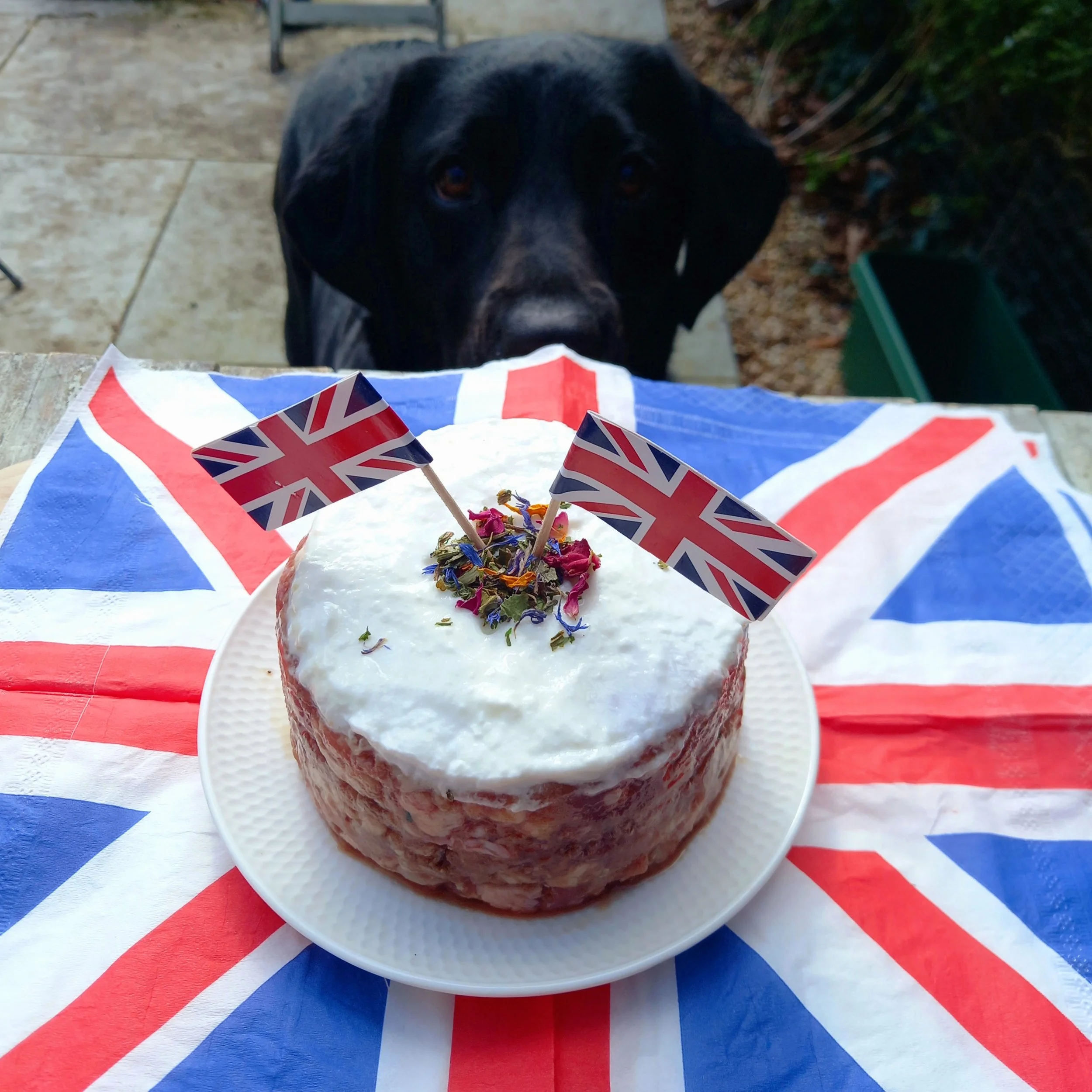
Crowning Glory - The Coronation Blend
A beautiful, colourful blend of herbs, berries and petals to celebrate the Crowning of King Charles III.
Here are some of the ingredients and why they were chosen:
Lemon Balm is uplifting and calming in its nature
Nettle is incredibly nutritious as well as providing comfort for seasonal allergies, ideal as we come into peak allergy season.
Parsley is used to ease intestinal gas and freshen breath as well as offering vitamin C, fibre, calcium, iron and magnesium.
Spearmint A lovely, fragrant herb to lift the spirits, help the respiratory system, ease tummy troubles and bad breath.
Dandelion Leaf Is a natural diuretic, stimulates salivation and improves digestion due to its bitter tasting qualities and makes a great liver tonic in the spring
Calendula The petals have anti-inflammatory properties, are antibacterial and very soothing to all the mucous membranes in the body.
Rosehips & Petals Rosehips are particularly rich in vitamin C and also Biotin which is great for promoting a healthy coat and strong claws. Rose lowers adrenaline levels and helps to balance the hormones. Roses are of course also a symbol of love, commitment and they bring comfort in times of stress, which when you think about it, so do our dogs.
How to use:
You can simply stir a generous pinch (around 1 level teaspoon) into your dogs moist food or if feeding a dry food rehydrate the same amount of herbs with a little warm water, leave for a few minutes , then add to your dogs food.
The “Crowning Glory” blend can be made into a tea using a tea diffuser or natural teabag. Make a brew with a level tablespoon of the herbs, pour on hot water, leave to steep for 5 minutes and then when luke warm, offer to your dog, pour onto their food or use in a treat recipe. You can also use the liquid to blend their vegetables in. The remaining rehydrated herbs can be added to meal times also.

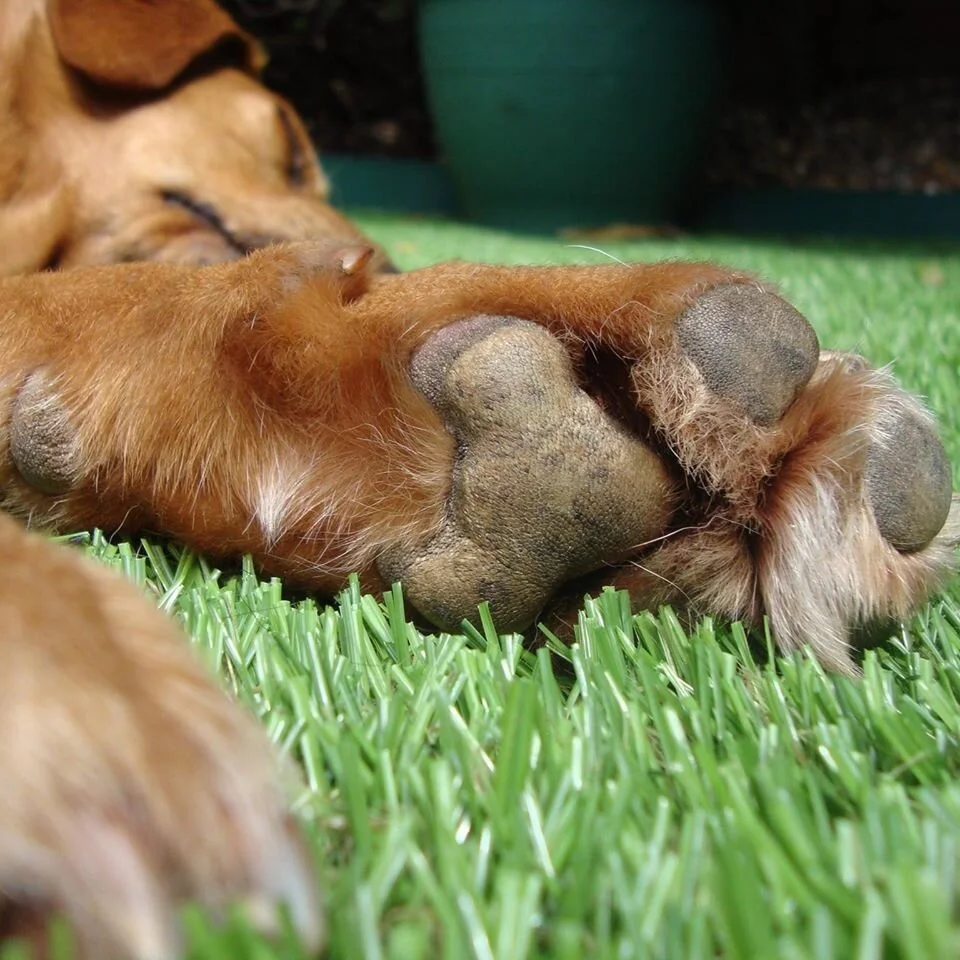
The Importance of Nail & Paw Care in Dogs
Keeping your dogs nails trimmed is important for their wellbeing and an essential when managing mobility problems.
Caroline Hearn - MICHT. Dip. ICAT, Canine & Equine Sports & Holistic Therapist
Over long nails are not only prone to getting caught and torn but there are a number of very important reasons why it is wise to keep your dogs claws fairly short.
Claws which are too long can cause pain in the toes and put additional strain on the tendons and joints. The weight is distributed backwards and causes the pad to flatten so lessening the shock absorbing properties of the pads.
After time the dogs movement is compromised and this can add strain to the shoulder and elbow joints. In normal movement as the paw hits the ground and the metacarpal or palmar pad which is the largest pad touches the ground first, then the weight is rolled forward onto the digital pads of the toes as the foot prepares to leave the ground again. This should be an easy and smooth process causing no strain, but if the dog has over long claws it is usually these that hit the ground first causing discomfort and strain higher up the leg which will eventually cause compensatory movement.
So what can be done about trimming over long claws ?
As the claws grow down so does the sensitive quick contained within so it is something that will take some time to correct. The good news is that if a very small amount of nail is cut or filed away every few days then the quick will have time to recede so you can then start the process of shortening the nails safely.

If you are confident with the clippers and your dog allows you to do it, then take a small amount off maybe once a week either with clippers or a file. Obviously dogs with white nails are easier as you can often see the quick as a guide. With black nails always err on the cautious side and do little and often.
Include the dew claws, which are often forgotten as they are tucked away on the inside of the leg and sometimes hidden by the coat. These claws grow quickly as they are not in contact with the ground and can often curl round and dig into the skin if they are not regularly trimmed. Dew claws are an essential stability aid for active dogs and assist in stabilising the lower limb and while turning at speed.
If you are nervous of cutting the nails or your dog is very difficult then ask if the veterinary nurse can help. Once you are on top of it then you can maintain the length yourself with nail trimmers or the battery powdered nail grinder which is made specifically for gradually shortening dogs claws.
Walking on pavements a couple of times a week should help keep the nails short but also it strengthens the pads, ligaments and tendons within the foot.
It is also important to trim excess long hair from underneath the pads as this hair will cause slipping on flooring and also mat up and form into knocks or clumps of hair, making standing and walking uncomfortable.
Products
There are a number of products which can help keep the pads, paws and nails in excellent condition.
Adore the Paw - Healing and Paw Balm https://www.hedgerowhounds.co.uk/products/adore-the-paw
Green Clay https://www.hedgerowhounds.co.uk/products/green-clay
Leucillin https://www.hedgerowhounds.co.uk/products/leucillin-antiseptic-spray
